
- bakery-cake-science-and-flavor-secrets
- moist-texture-professional-baking-methods
- hidden-ingredients-in-artisan-cakes
- emotional-appeal-of-dessert-experiences
- real-bakery-stories-and-cake-craftsmanship
Why Bakery Cakes Feel Different From Homemade Ones
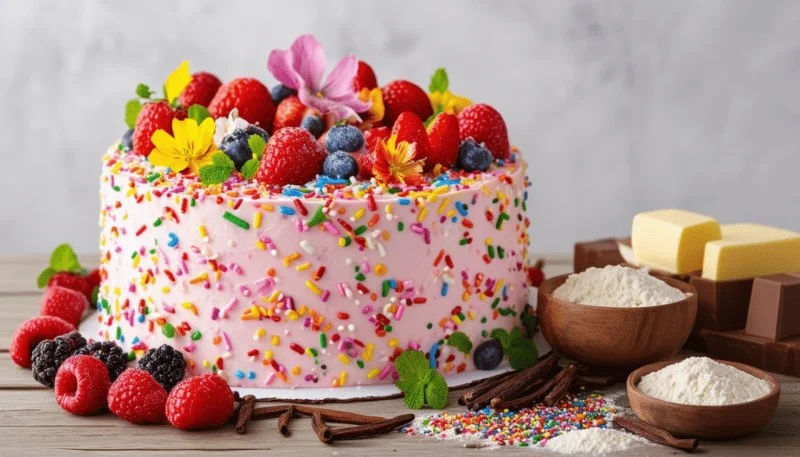
Anyone who has ever compared homemade cakes with professional bakery cakes has noticed something almost impossible to describe. Even when recipes look identical, bakery versions often taste richer, softer, and more balanced. The answer lies in The Secret Ingredients That Make Bakery Cakes So Irresistible—not just in flavorings, but in technique, timing, and subtle science.
A small bakery in New York once went viral after customers claimed its vanilla sponge tasted “emotionally comforting.” The owner later explained that nothing unusual was used—just precise ingredient ratios, controlled humidity baking, and a resting period that most home bakers skip entirely.

Julius Sturgis Pretzel Bakery / pretzel factory lititz pa
LititzLancaster CountyPennsylvania
219 E Main St, Lititz, PA 17543, USA
The Science Behind Moist Cake Texture
1. Fat Structure and Ingredient Balance
One of the most important elements in bakery-quality cakes is fat composition. Professional bakers carefully balance butter, oil, and dairy fats to create a structure that holds moisture longer without becoming greasy.
This balance is what gives artisan cakes their signature softness even hours after baking. In contrast, home-baked cakes often dry out quickly because fat distribution is inconsistent.
L’Ami Bakery & Cafe / bakery in h mart
48-18 Northern Blvd, Long Island City, NY 11101, USA
2. Hydration Control and Baking Precision
Another hidden factor is hydration control. Bakeries measure ingredient moisture levels more precisely than most home kitchens. Flour type, egg temperature, and even room humidity are considered before mixing begins.
This scientific precision is one of the core reasons why bakery cakes maintain consistent quality across batches, while home baking results often vary.
Hidden Flavor Enhancers That Change Everything
1. Vanilla Isn’t Just Vanilla
Many people assume vanilla is a simple ingredient, but professional bakers use different grades: extract, bean paste, and sometimes infused syrups. Each adds depth rather than just sweetness.
In high-end bakeries, vanilla is often paired with salt or citrus zest to create contrast, making flavors feel more complex and memorable.
2. The Role of Salt in Sweet Cakes
Salt is one of the most underrated secret ingredients cakes rely on. It doesn’t make cakes salty—it enhances sweetness perception and rounds out flavor edges.
A pastry chef in Paris once explained that removing salt from a cake recipe is like removing shadows from a painting. Without it, flavors feel flat and unfinished.
Professional Baking Techniques You Never Notice
1. Resting Batter for Flavor Development
One technique rarely used at home is resting cake batter before baking. This allows flour to hydrate fully and flavors to integrate more deeply.
Some bakeries rest batters for several hours, which significantly improves moist cake texture and aroma complexity.
2. Temperature-Staged Baking
Instead of baking at one constant temperature, professional bakers often use staged heat levels. The cake starts at a higher temperature for rise, then finishes at a lower heat for even cooking.
This prevents dryness and ensures a tender crumb structure that feels almost cloud-like when eaten.
The Emotional Psychology of Bakery Cakes
1. Memory Triggering Through Flavor
Cakes are not just food—they are emotional triggers. Certain combinations like chocolate and vanilla can evoke childhood memories or celebrations.
This emotional layering is intentional in modern bakeries, where flavor design often considers nostalgia as part of the recipe.
2. Visual Presentation and Expectation Bias
People often perceive bakery cakes as tastier simply because they look more refined. Smooth frosting, layered structure, and glossy finishes create an expectation of quality before the first bite.
Psychological studies in food perception confirm that presentation can increase perceived sweetness and satisfaction.
Real Bakery Story: The Cake That Changed a Neighborhood
In a small coastal town, a bakery introduced a simple lemon sponge cake that unexpectedly became a local phenomenon. Customers described it as “light but unforgettable.”
What made it special wasn’t exotic ingredients, but technique: fresh citrus zest added at two stages, whipped egg whites folded at precise timing, and a glaze brushed while the cake was still warm.
Soon, people traveled from nearby cities just to try it. The bakery later admitted they never changed the recipe—only refined execution.
Why Bakery Cakes Always Feel More “Complete”
1. Layered Flavor Construction
Professional cakes are built in layers of flavor: base sweetness, aromatic depth, and finishing notes. This structure ensures every bite evolves rather than feels static.
2. Controlled Sweetness Levels
Unlike many homemade cakes that can be overly sweet, bakeries intentionally reduce sugar levels to allow other flavors to shine. This creates balance and prevents palate fatigue.
3. Ingredient Quality Consistency
High-quality bakeries maintain strict sourcing standards. Even basic ingredients like flour or butter are selected based on protein content, fat ratio, and flavor neutrality.
How to Recognize Truly Exceptional Bakery Cakes
1. Texture That Holds Without Dryness
A good bakery cake maintains softness even after refrigeration. If it becomes dry immediately, it likely lacks proper moisture retention techniques.
2. Balanced Aftertaste
Exceptional cakes leave a clean aftertaste instead of a sugary residue. This indicates balanced formulation rather than heavy sweetening.
3. Ingredient Transparency
Modern artisan bakeries often list sourcing details or highlight natural ingredients. Transparency is usually a strong indicator of quality control.
Why These Cakes Keep People Coming Back
The real magic behind The Secret Ingredients That Make Bakery Cakes So Irresistible is not a single component—it is the combination of science, craft, and emotional design. Each cake is engineered not just to taste good, but to feel memorable.
For anyone exploring premium desserts or looking to understand what separates good cakes from exceptional ones, platforms like curated bakery guides can help connect you with artisan creators who specialize in these techniques.
If you are ready to explore premium bakery experiences or find inspiration for your next celebration dessert, now is the perfect time to discover carefully crafted artisan cakes and see how professional baking transforms simple ingredients into unforgettable moments.
 Nagoya Bakery4.0 (25 reviews)
 The Quantum Baker0.0 (0 reviews)
 Valerio's Tropical Bake Shop4.0 (43 reviews)
 Manny's Bakeshop & Restaurant4.0 (19 reviews)
 Nanding's Bakery4.0 (368 reviews)
 Aloha Sunrise Granola5.0 (5 reviews)
 Bakery Service Charge Check: Bill, Tips, and Group Split
 Bakery Texture Guide: A Practical US Checklist
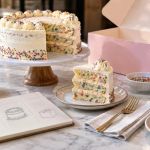 Bakery Cake Quote: Size, Design, Pickup, and Allergen Notes
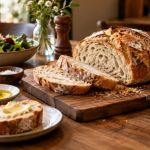 Bakery Bread Crumb Check: Freshness, Cutting, and Serving
 Bakery Cupcake Pickup: Count, Box, and Safe Transport
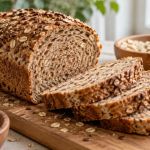 Bakery Whole-Grain Bread: Ingredients, Texture, and Freshness