
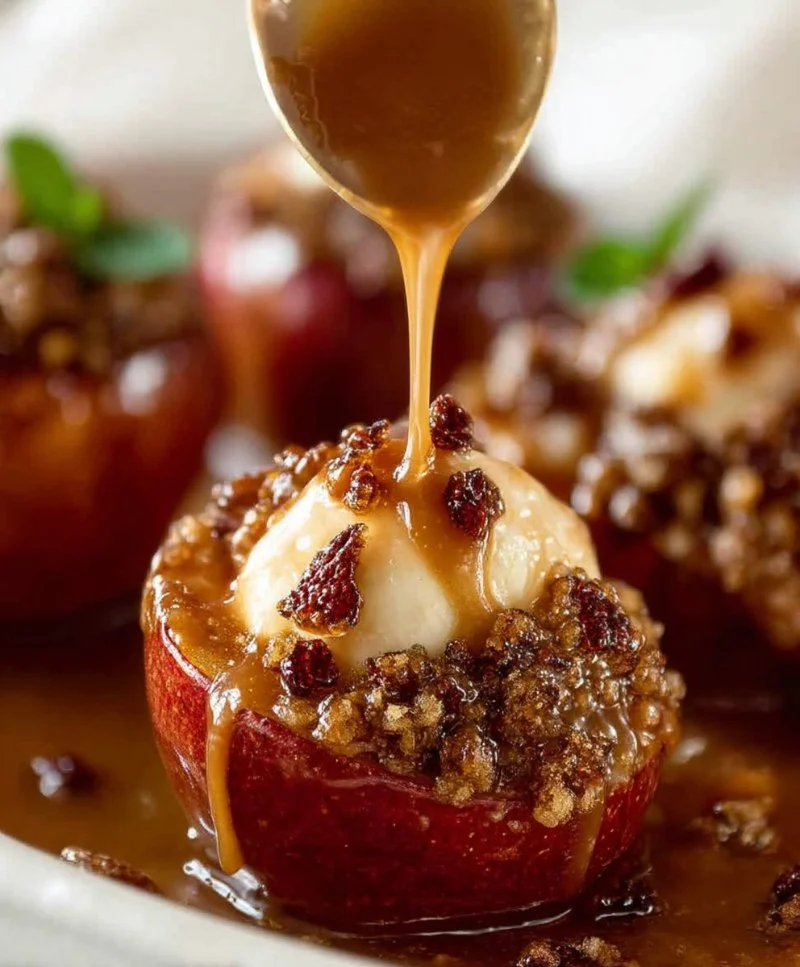
A Warm Bakery Favorite You Can Recreate at Home: Caramel Baked Apples
- prep-basics-baked-apples-step-setup - Understanding apple selection, oven setup, and baking environment
- caramel-sauce-method-breakdown - How to build a smooth caramel sauce without burning or bitterness
- baking-techniques-and-texture-control - How to keep apples tender but not mushy
- flavor-upgrades-and-variations - Bakery-style upgrades, spices, fillings, and presentation ideas
- real-kitchen-story-and-practical-tips - A home cooking experience and what actually makes the difference
The Comfort Behind Bakery-Style Baked Apples
There’s a certain kind of dessert that doesn’t try too hard, yet still feels like it came straight out of a bakery window display. How to Make Bakery-Style Baked Apples with a Caramel Sauce is exactly that kind of comfort food—simple ingredients transformed into something warm, aromatic, and deeply nostalgic.
In many American bakeries, baked apples are often served during fall and winter, but at home, they become something even more personal. The smell alone—cinnamon, butter, and slow-cooked apples—can turn an ordinary kitchen into something that feels like a small café on a quiet street.
Choosing Apples That Actually Hold Their Shape
Not all apples behave the same in the oven. Some collapse into applesauce, while others stay structured and tender. For bakery-style results, texture matters more than anything else.
Best apple varieties for baking
Firm apples like Honeycrisp, Granny Smith, and Fuji tend to hold up well under heat. They soften gradually without losing their identity. This is key when aiming for a dessert that still feels like a “real apple,” not just cooked fruit.
A small detail that often gets overlooked is size consistency. If apples vary too much, baking time becomes uneven. In a bakery kitchen, this is one of those silent rules that makes the final plate look professional even before tasting it.
Preparing the Apples Like a Professional Kitchen Would
Before baking, the apples need to be carefully cored. The goal is not to cut them in half, but to create a hollow center that can hold caramel, spices, or even chopped nuts.
Leaving a thin base at the bottom is important. It prevents the filling from leaking and helps the apple maintain its structure during baking. Many home cooks skip this detail, which is why their baked apples often turn watery or collapse too early.
Building a Bakery-Style Caramel Sauce
Caramel sauce is where this dessert shifts from simple to memorable. A good caramel sauce should be smooth, slightly thick, and rich without being overly bitter.
The slow transformation of sugar
Sugar melts, then darkens, and finally develops depth. The biggest mistake is rushing this process. High heat creates bitterness quickly, while controlled heat builds complexity.
Once butter is added, the mixture becomes glossy. Cream then softens everything into a sauce that clings beautifully to baked fruit. This is the stage where many home cooks realize why bakery desserts taste “rounder”—it’s balance, not just sweetness.
The Baking Process That Creates the Right Texture
Once filled and drizzled with caramel, apples should be baked slowly. A moderate oven temperature allows the fruit to soften evenly while the caramel seeps into the center.
During baking, something interesting happens: the apple releases its natural juices, which mix with caramel and spices. This creates a syrup at the bottom of the dish that is often more flavorful than the topping itself.
What to look for during baking
The skin should wrinkle slightly, and the apple should yield gently when pressed. It should not collapse. That balance is what defines a bakery-style finish rather than a stewed dessert.
A Real Kitchen Moment: When Simplicity Wins
A home baker once shared a story online about trying to recreate a café-style baked apple dessert for a family gathering. The first attempt was too soft, almost falling apart. The second batch used firmer apples and slower baking time—and suddenly, everything changed.
What stood out wasn’t the recipe itself, but the realization that technique mattered more than complexity. That same shift is what turns this dessert from “good enough” into something people remember.
Flavor Enhancements That Make It Feel Bakery-Made
Professional bakeries rarely rely on a single flavor note. Instead, they layer subtle additions that build depth without overpowering the main ingredient.
Common enhancements
Cinnamon, nutmeg, vanilla bean, and a touch of sea salt all work together to elevate the apple’s natural sweetness. Some kitchens also add crushed pecans or oats inside the cavity for texture contrast.
A small drizzle of warm caramel before serving is what visually completes the dish. It gives that glossy finish often seen in bakery displays.
Serving Ideas That Feel Like a Café Experience
Serving baked apples warm is essential. Cold caramel loses its flow and texture, while warm caramel enhances aroma and mouthfeel.
Some home cooks pair it with vanilla ice cream or whipped cream, creating a temperature contrast that feels intentionally crafted rather than accidental.
For those who enjoy exploring more curated dessert inspirations or kitchen essentials that help recreate bakery-style results at home, platforms like Rubi Spanish Table can be a helpful place to discover related ingredients and tools that elevate everyday cooking.
Why This Dessert Stays Popular Across Seasons
Even though baked apples are often associated with colder months, their appeal isn’t seasonal. The combination of warm fruit and caramel works year-round because it hits something familiar—comfort without heaviness.
It’s also one of those desserts that adapts easily. It can be rustic or refined depending on presentation, which is why it continues appearing in home kitchens and bakery menus alike.
Understanding What Makes It Truly “Bakery-Style”
The difference is not in ingredients alone, but in control: heat control, timing, and texture awareness. Bakeries rely on repetition and precision, while home kitchens rely on intuition.
When those two approaches meet, the result is a dessert that feels both professional and personal. That’s what makes How to Make Bakery-Style Baked Apples with a Caramel Sauce more than just a recipe—it becomes a technique worth repeating and refining over time.





 Next Door Challah5.0 (28 reviews)
 Festive Tree Cake Bakery5.0 (5 reviews)
 BoSa Donuts4.0 (158 reviews)
 Rainbow4.0 (85 reviews)
 Tiramisu Bakery4.0 (189 reviews)
 The BakeHouse4.0 (77 reviews)
 How to Make the Best Churros at Home
 How to Make Your Own Homemade Biscuit Mix
 Why Freshly Baked Pies from Your Local Bakery Are Always Better
 How to Create a Showstopping Birthday Cake at Home
 The Best Baking Equipment You Need for Your Home Kitchen
 5 Essential Baking Tools to Elevate Your Cakes to the Next Level