Bakery Tales - Explore Delicious Stories from Bakeries Around the World
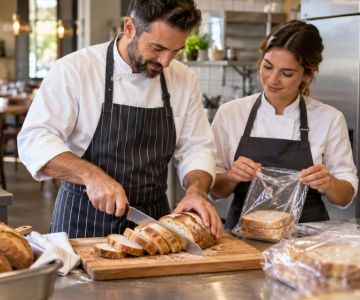
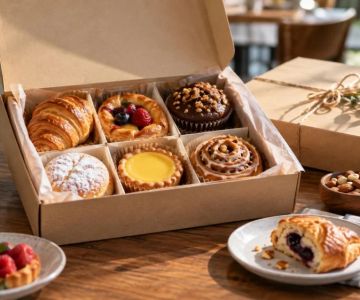
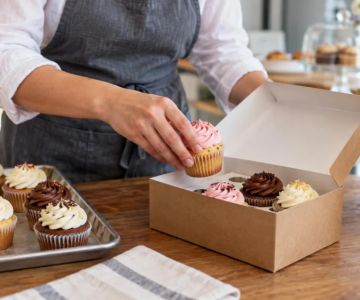
The Best Bakery Snacks to Take on the Go for Busy DaysDiscover The Best Bakery Snacks to Take on the Go with practical tips, real-life stories, and expert suggestions for choosing portable, delicious baked goods perfect for busy mornings, travel, and workdays.The Best Bakery Snacks to Take on the Go for Busy DaysBakery Snacks That Actually Keep Up With Your Busy Dayportable-snacks-overview - Why bakery snacks work for busy lifestyles and travelbest-on-the-go-options - The Best Bakery Snacks to Take on the Go in real situationsreal-life-snack-stories - Everyday experiences that show what works and what failssmart-selection-tips - How to choose travel friendly baked goods without messbuying-guide-and-recommendations - Where to find quality grab-and-go bakery itemsWhy Portable Bakery Snacks Fit Modern Fast-Paced LifestylesModern routines don’t leave much room for slow breakfasts or long lunch breaks. People commute early, work hybrid schedules, or juggle multiple responsibilities at once. In this environment, bakery snacks on the go have quietly become a daily essential rather than just a comfort food choice.What makes them so practical is their balance of convenience and satisfaction. Unlike packaged protein bars that often feel overly processed, portable bakery treats offer a more natural texture, real ingredients, and familiar comfort. A croissant eaten on a subway ride or a muffin enjoyed during a morning drive can feel surprisingly grounding.Many food trend analysts in the U.S. have noted that quick bakery snacks are increasingly replacing traditional breakfast routines, especially among young professionals. The appeal is not just taste—it’s also emotional. A warm, flaky pastry can make a rushed morning feel slightly more human.The Best Bakery Snacks to Take on the Go for Real-Life SituationsChoosing the best grab and go pastries depends on how and where they’ll be eaten. A snack that works perfectly in a car may fail in a crowded train. Some baked goods travel well, while others require more care.1. Muffins That Don’t Collapse Under PressureMuffins are one of the most reliable travel friendly baked goods because they hold their shape well. Blueberry, banana nut, and oat-based muffins tend to stay moist without falling apart. They also don’t require utensils, which makes them ideal for commuting.A common real-world example comes from office workers in New York who often pick up muffins on Monday mornings. Many report that muffins are the only breakfast option that survives both subway rides and desk work without turning into a mess.2. Croissants and Laminated Pastries for Quick EnergyCroissants are delicate but surprisingly functional if packaged correctly. The buttery layers provide quick energy, making them a favorite for early travelers and students. However, they are best consumed within a few hours of purchase to maintain texture.In one bakery review trend from California, customers often mentioned eating croissants during school drop-offs or while waiting in drive-through lines. The key is handling them carefully to avoid flakes everywhere.3. Scones That Hold Up Better Than ExpectedScones are often underrated as portable bakery treats. Because they are denser, they travel well and don’t crumble easily. Flavors like cranberry-orange or cheddar herb make them suitable for both sweet and savory cravings.They are especially popular in weekend farmers markets where people buy snacks for road trips. Their structure makes them ideal for longer travel durations compared to softer pastries.4. Danish Pastries with Smart Filling ChoicesDanish pastries can be excellent or messy depending on the filling. Cheese or apple-filled versions tend to hold better than overly creamy or jam-heavy ones. When chosen wisely, they become one of the most satisfying quick bakery snacks.A common mistake people make is choosing overly sticky fillings, which leak during transport. Choosing firmer fillings improves portability significantly.Real-Life Story: The Morning Commute Snack That Changed a RoutineA marketing consultant from Chicago shared a relatable experience: she used to skip breakfast due to early meetings. Eventually, she started grabbing portable bakery treats from a local shop before boarding the train.At first, she chose iced pastries, which created a mess during her commute. After switching to muffins and simple croissants, her mornings became smoother. This small adjustment improved her focus at work and reduced morning stress.Stories like this highlight how The Best Bakery Snacks to Take on the Go are not just about food—they shape daily routines in subtle but meaningful ways.How to Choose Travel Friendly Baked Goods Without RegretSelecting the right snack involves more than taste. Texture, packaging, and durability all matter when food is consumed outside the home.Focus on Structure FirstDense baked goods tend to perform better during travel. Soft cream-filled items may taste great but often fail in portability. If a snack can survive a gentle squeeze without falling apart, it is usually a good choice.Avoid Overly Messy IngredientsPowdered sugar, dripping glaze, or loose fillings can turn a simple snack into a cleaning problem. Cleaner finishes make bakery snacks on the go more practical for commuting or walking.Think About TimingSome pastries are best eaten fresh, while others improve after resting for a short time. Understanding this helps avoid disappointment when eating during transit.Where Quality Makes a Difference in Bakery SnacksNot all bakery items are created equal. Freshness and ingredient quality significantly impact taste and texture. Local bakeries often outperform mass-produced options because they focus on smaller batches and fresher ingredients.For those exploring better options, platforms like Restaurants Explorer can help discover trusted local bakeries offering high-quality portable bakery treats. This makes it easier to find snacks that actually travel well instead of relying on random convenience store picks.Smart Buying Guide for Everyday Grab and Go PastriesWhen purchasing bakery snacks on the go, it helps to think like a traveler rather than a diner. Ask simple questions: Will it crumble? Will it leak? Can I eat it with one hand?Many people also find it helpful to buy a mix—one sturdy item like a muffin and one indulgent option like a croissant. This creates balance between practicality and enjoyment.The growing popularity of quick bakery snacks shows that people are not just eating for hunger anymore—they’re eating for convenience, comfort, and time efficiency. Choosing wisely makes everyday routines smoother and more enjoyable.
How to Make Bakery-Style Apricot Jam Thumbprint CookiesLearn how to make bakery-style apricot jam thumbprint cookies with soft buttery dough and rich fruit filling. Step-by-step baking tips, real stories, and pro techniques for perfect results.
Bakery-Style Shortbread Cookies with Melt-in-Your-Mouth TextureLearn how to make bakery-style shortbread cookies with a melt-in-your-mouth texture. A detailed baking guide with tips, stories, and techniques for perfect buttery cookies.
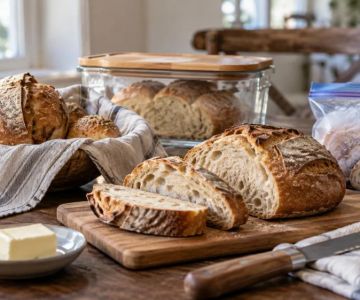
How to Make Your Bakery’s Bread Rise Like a ProfessionalLearn how to make your bakery’s bread rise like a professional with expert baking techniques, fermentation control, and real-world bakery insights to improve texture, volume, and consistency.
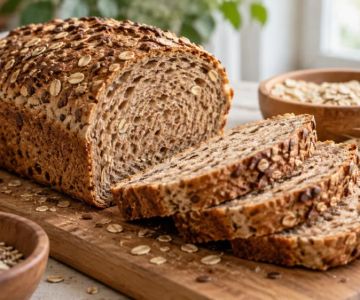
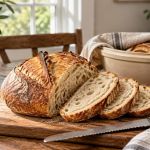
The Best Bakery Breads for Toast: A Guide for the Perfect MorningDiscover The Best Bakery Breads for Toast: A Guide for the Perfect Morning with expert insights, real bakery stories, and tips to choose perfect bread for breakfast toast.
5 Delicious Bakery Recipes You Can Make With Just a Few Simple IngredientsDiscover 5 delicious bakery recipes you can make with just a few simple ingredients. Easy homemade baking ideas, real kitchen stories, and simple tips to help you create bakery-style treats at home.
How to Make Bakery-Style Muffins Without a Muffin TinLearn how to make bakery-style muffins without a muffin tin using simple kitchen hacks, baking techniques, and real-life tips to achieve fluffy, golden, café-quality muffins at home.
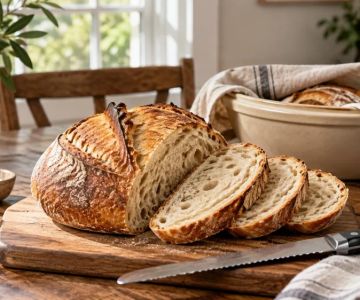
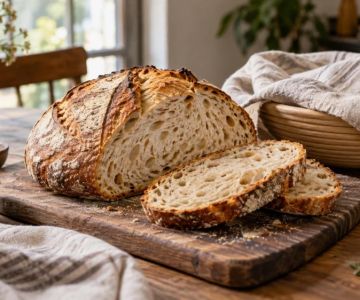
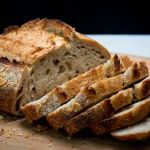
The Science Behind Why Bakery Bread Tastes So Good | Baking ExplainedDiscover the science behind why bakery bread tastes so good, including fermentation, crust formation, and baking chemistry that creates irresistible flavor.The Science Behind Why Bakery Bread Tastes So Good | Baking ExplainedWhy That First Bite of Bakery Bread Feels IrresistibleFermentation-Magic - How yeast activity builds deep flavor complexityCrust-Formation-Science - The Maillard reaction and caramelized aromaTexture-And-Crumb-Structure - Why bakery bread feels softer yet structuredFreshness-Factor - Why time since baking changes taste dramaticallyReal-Bakery-Stories - How artisan bakers perfect flavor consistencyThe Hidden Chemistry Behind Bakery Bread FlavorThe science behind why bakery bread tastes so good is not accidental—it is a carefully orchestrated balance of biology, chemistry, and timing. When you walk into a bakery, the smell alone is the result of hundreds of volatile compounds released during fermentation and baking.Unlike mass-produced bread, artisan bakery bread goes through slow fermentation processes that allow enzymes and yeast to break down starches into simpler sugars. This creates deeper, more layered flavors that cannot be rushed or artificially replicated.A bakery owner in Paris once explained that his dough rests for nearly 18 hours before baking. That patience is not tradition alone—it is science. The longer fermentation allows gluten to develop structure while also building natural sweetness inside the dough.Fermentation: The Invisible Engine of FlavorFermentation is one of the most important elements in the bakery bread taste science. Yeast consumes sugars and releases carbon dioxide, which makes the dough rise, but it also produces organic acids and alcohols that shape flavor.These compounds are responsible for the slight tanginess found in sourdough and the rich, nutty undertones in artisan loaves. Without fermentation, bread would taste flat, dense, and one-dimensional.In long-fermented doughs, bacteria also contribute to flavor development. Lactic acid bacteria, in particular, enhance complexity and improve shelf life naturally. This biological partnership is what gives bakery bread its signature depth.The Role of Crust: Where Aroma Becomes IntenseOne of the most satisfying parts of bakery bread is the crust. The crisp exterior is the result of the Maillard reaction, a chemical process where amino acids and sugars react under heat to create complex flavor compounds.This reaction is responsible for the golden-brown color and toasted aroma that makes fresh bread so appealing. The thicker and more controlled the crust, the more intense the flavor becomes.Professional bakers often manipulate steam levels inside ovens to control crust formation. Steam delays crust hardening at the beginning of baking, allowing maximum oven spring before caramelization begins.Texture and Structure: Why Bakery Bread Feels DifferentThe texture of bakery bread is another key factor in why it tastes so good. The crumb—the internal structure of bread—is shaped by gluten development and fermentation timing.When dough is kneaded properly and allowed to rest, gluten strands form a network that traps gas bubbles. This creates an airy yet structured interior that feels soft but not fragile.Industrial bread often sacrifices this structure for speed, resulting in a uniform but less flavorful texture. Artisan bread prioritizes uneven, natural air pockets that enhance mouthfeel and flavor release.Freshness: The Silent Factor That Changes EverythingFreshness plays a critical role in bakery bread taste science. Within hours of baking, starch molecules begin to recrystallize in a process known as retrogradation, which slowly hardens the bread.This is why bakery bread often tastes best within the first 6–12 hours after baking. At this stage, moisture, aroma, and texture are still perfectly balanced.A bakery in San Francisco famously adjusted its baking schedule so bread would come out in small batches throughout the day. Customers consistently reported that “afternoon loaves” tasted different from morning ones due to subtle changes in moisture and temperature.Real Bakery Insight: Why Small Details Make Big DifferencesA small artisan bakery in New York once conducted an informal experiment. They baked identical doughs using slightly different fermentation times. Customers consistently preferred the batch fermented for two additional hours.The reason was simple: extended fermentation produced more organic acids and aroma compounds, which enhanced perceived flavor intensity. Even though ingredients were identical, time alone transformed taste.This demonstrates that bakery bread is not just food—it is controlled transformation. Every variable, from temperature to humidity, plays a role in shaping the final experience.Why Bakery Bread Feels More Satisfying Than Store BreadCommercial bread is designed for shelf stability, not flavor complexity. Additives, preservatives, and rapid baking methods prioritize efficiency over depth.In contrast, artisan bakery bread focuses on slow development, natural fermentation, and high-quality ingredients. This creates a multi-layered sensory experience that engages smell, texture, and taste simultaneously.Even psychological factors matter. The smell of freshly baked bread triggers nostalgic responses in the brain, often associated with comfort and warmth, enhancing perceived flavor.How to Experience Bakery-Level Bread at HomeUnderstanding the science behind bakery bread taste allows home bakers to replicate some of its qualities. Long fermentation, proper hydration, and controlled baking temperature are key variables.Using a pre-ferment or sourdough starter can dramatically improve flavor depth. Allowing dough to rest overnight in cool conditions also enhances complexity.For those looking to explore premium baking ingredients, tools, and artisan bread inspiration, platforms like Brunch & Snack Chat often highlight curated baking insights and product recommendations that help elevate home baking results.The Science That Keeps Bakery Bread IrresistibleUltimately, the science behind why bakery bread tastes so good is a combination of controlled fermentation, precise heat reactions, and time. Each loaf represents a carefully balanced system where biology and chemistry meet craftsmanship.Once you understand these principles, every bite of bakery bread becomes more than just flavor—it becomes a story of transformation from simple ingredients into something deeply satisfying.
Bakery-Style Scones with a Perfect Golden Crust GuideLearn how to make bakery-style scones with a perfectly golden crust. This detailed guide covers techniques, ingredients, and baking secrets for soft, flaky, and delicious homemade scones.
Bakery-Style Peach Cobbler Recipe That Everyone Will LoveLearn how to make a bakery-style peach cobbler that everyone will love with step-by-step baking tips, real kitchen insights, and flavor secrets for the perfect homemade dessert.
How to Make Bakery-Style Butter Cookies with Crisp Light Texture GuideLearn how to make bakery-style butter cookies with a crisp, light texture using professional baking techniques, real kitchen insights, and step-by-step guidance for perfect homemade results.
The Top 10 Bakery Desserts You Need to Try in Your LifetimeExplore The Top 10 Bakery Desserts You Need to Try in Your Lifetime with detailed stories, cultural insights, and personal tasting experiences. Discover iconic bakery sweets from Europe and the U.S. that every dessert lover should try at least once.
How the Bakery Industry Is Adapting to Vegan and Gluten-Free TrendsExplore how the bakery industry is adapting to vegan and gluten-free trends, with real-world bakery transformations, consumer insights, and modern baking innovations shaping today’s market.
Creative Bakery Design Trends 2026 — Sweet Presentation IdeasExplore the sweetest bakery design trends of 2026 with creative presentation ideas. Discover how innovative decor and dessert displays can elevate your bakery and delight customers.
Mastering Homemade Pastry: Tips, Techniques, and Expert SecretsLearn how to master the art of pastry making at home with expert techniques, practical tips, and step-by-step guidance. Discover secrets to creating bakery-quality desserts in your own kitchen.
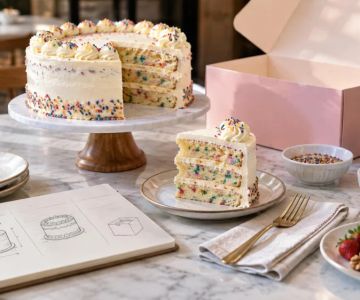
Step-by-Step Guide to Bakery-Style Buttercream Frosting for Cakes and CupcakesLearn how to make bakery-style buttercream frosting for cakes and cupcakes with our detailed step-by-step guide. Tips, tricks, and real-life examples for perfect frosting every time.
Mastering Homemade Bagels: A Beginner’s Step-by-Step GuideLearn how to make homemade bakery-style bagels with this beginner’s guide. Discover step-by-step tips, expert techniques, and insider secrets to perfect bagels every time.
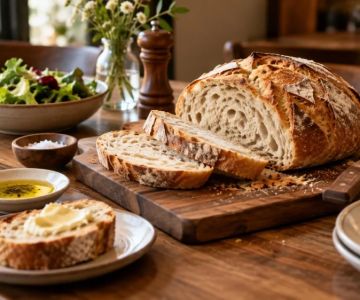
The Best Bakery Breads to Serve with SaladDiscover the best bakery breads to serve with salad, from artisan sourdough to rustic ciabatta. Learn expert pairing tips, flavor combinations, and how the right bread can transform a simple salad into a satisfying meal.
Categories
Top Visited Sites
Two Ladies Cafe4.0 (9 reviews)
Walmart Bakery5.0 (2 reviews)
Pio Hot Bagels4.0 (160 reviews)
Tiny Tim Donuts4.0 (14 reviews)
Bonnin's bakery4.0 (138 reviews)
Sky Donuts4.0 (32 reviews)Top Bakery Searches
Trending Bakery Tales Posts

How to Make Bakery-Style Mocha Cupcakes: A Step-by-Step Guide
Mastering Cake Decorating: Essential Tips for Beginners to Create Stunning Cakes
Discover Hidden Gem Bakeries in Your Area: Best Local Spots for Delicious Treats
How to Make Bakery-Style French Toast Casserole
How to Create the Perfect Bakery-Style Fruit Galette
Bakery-Style Lemon Cheesecake with Zesty Flavor Recipe Guide