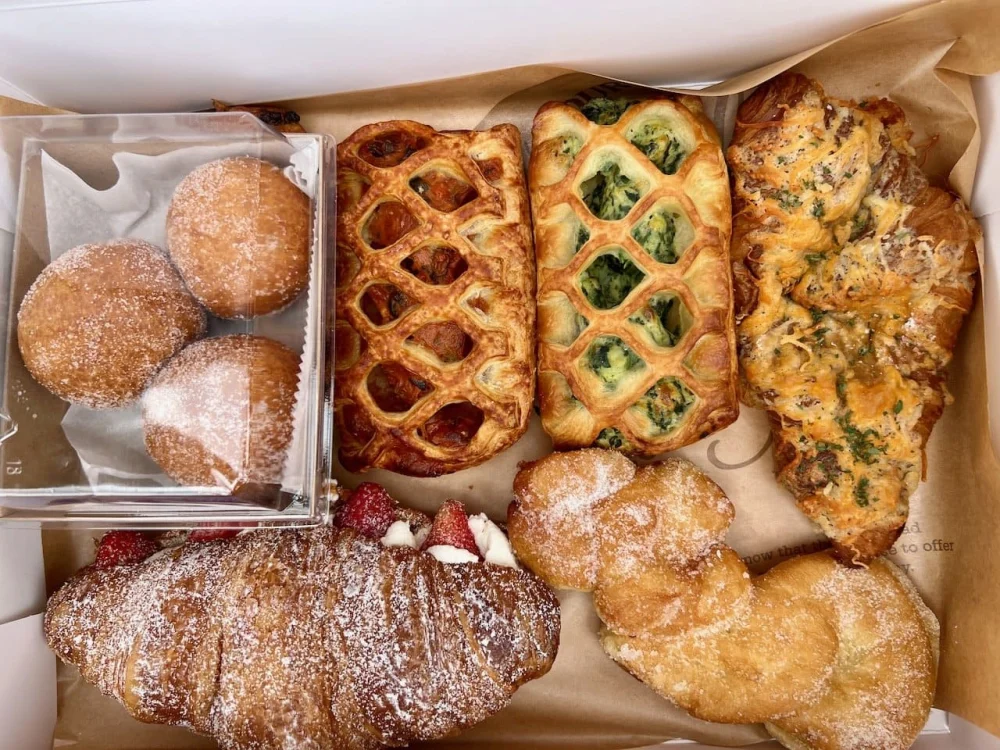
Bakery Tales - Explore Delicious Stories from Bakeries Around the World
5 Delicious Bakery Recipes You Can Make With Just a Few Simple IngredientsDiscover 5 delicious bakery recipes you can make with just a few simple ingredients. Easy homemade baking ideas, real kitchen stories, and simple tips to help you create bakery-style treats at home.
How to Make Bakery-Style Muffins Without a Muffin TinLearn how to make bakery-style muffins without a muffin tin using simple kitchen hacks, baking techniques, and real-life tips to achieve fluffy, golden, café-quality muffins at home.
How to Incorporate Fresh Seasonal Fruit into Bakery CreationsLearn how to incorporate fresh seasonal fruit into bakery creations with practical techniques, real bakery insights, and inspiring recipes that elevate flavor and freshness.
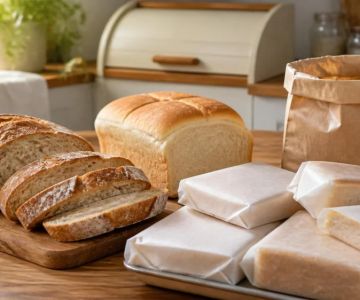
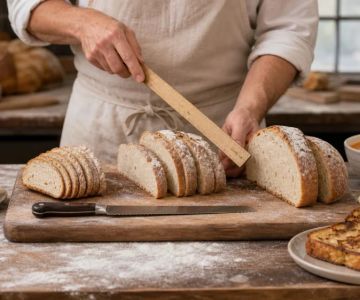
The Science Behind Why Bakery Bread Tastes So Good | Baking ExplainedDiscover the science behind why bakery bread tastes so good, including fermentation, crust formation, and baking chemistry that creates irresistible flavor.The Science Behind Why Bakery Bread Tastes So Good | Baking ExplainedWhy That First Bite of Bakery Bread Feels IrresistibleFermentation-Magic - How yeast activity builds deep flavor complexityCrust-Formation-Science - The Maillard reaction and caramelized aromaTexture-And-Crumb-Structure - Why bakery bread feels softer yet structuredFreshness-Factor - Why time since baking changes taste dramaticallyReal-Bakery-Stories - How artisan bakers perfect flavor consistencyThe Hidden Chemistry Behind Bakery Bread FlavorThe science behind why bakery bread tastes so good is not accidental—it is a carefully orchestrated balance of biology, chemistry, and timing. When you walk into a bakery, the smell alone is the result of hundreds of volatile compounds released during fermentation and baking.Unlike mass-produced bread, artisan bakery bread goes through slow fermentation processes that allow enzymes and yeast to break down starches into simpler sugars. This creates deeper, more layered flavors that cannot be rushed or artificially replicated.A bakery owner in Paris once explained that his dough rests for nearly 18 hours before baking. That patience is not tradition alone—it is science. The longer fermentation allows gluten to develop structure while also building natural sweetness inside the dough.Fermentation: The Invisible Engine of FlavorFermentation is one of the most important elements in the bakery bread taste science. Yeast consumes sugars and releases carbon dioxide, which makes the dough rise, but it also produces organic acids and alcohols that shape flavor.These compounds are responsible for the slight tanginess found in sourdough and the rich, nutty undertones in artisan loaves. Without fermentation, bread would taste flat, dense, and one-dimensional.In long-fermented doughs, bacteria also contribute to flavor development. Lactic acid bacteria, in particular, enhance complexity and improve shelf life naturally. This biological partnership is what gives bakery bread its signature depth.The Role of Crust: Where Aroma Becomes IntenseOne of the most satisfying parts of bakery bread is the crust. The crisp exterior is the result of the Maillard reaction, a chemical process where amino acids and sugars react under heat to create complex flavor compounds.This reaction is responsible for the golden-brown color and toasted aroma that makes fresh bread so appealing. The thicker and more controlled the crust, the more intense the flavor becomes.Professional bakers often manipulate steam levels inside ovens to control crust formation. Steam delays crust hardening at the beginning of baking, allowing maximum oven spring before caramelization begins.Texture and Structure: Why Bakery Bread Feels DifferentThe texture of bakery bread is another key factor in why it tastes so good. The crumb—the internal structure of bread—is shaped by gluten development and fermentation timing.When dough is kneaded properly and allowed to rest, gluten strands form a network that traps gas bubbles. This creates an airy yet structured interior that feels soft but not fragile.Industrial bread often sacrifices this structure for speed, resulting in a uniform but less flavorful texture. Artisan bread prioritizes uneven, natural air pockets that enhance mouthfeel and flavor release.Freshness: The Silent Factor That Changes EverythingFreshness plays a critical role in bakery bread taste science. Within hours of baking, starch molecules begin to recrystallize in a process known as retrogradation, which slowly hardens the bread.This is why bakery bread often tastes best within the first 6–12 hours after baking. At this stage, moisture, aroma, and texture are still perfectly balanced.A bakery in San Francisco famously adjusted its baking schedule so bread would come out in small batches throughout the day. Customers consistently reported that “afternoon loaves” tasted different from morning ones due to subtle changes in moisture and temperature.Real Bakery Insight: Why Small Details Make Big DifferencesA small artisan bakery in New York once conducted an informal experiment. They baked identical doughs using slightly different fermentation times. Customers consistently preferred the batch fermented for two additional hours.The reason was simple: extended fermentation produced more organic acids and aroma compounds, which enhanced perceived flavor intensity. Even though ingredients were identical, time alone transformed taste.This demonstrates that bakery bread is not just food—it is controlled transformation. Every variable, from temperature to humidity, plays a role in shaping the final experience.Why Bakery Bread Feels More Satisfying Than Store BreadCommercial bread is designed for shelf stability, not flavor complexity. Additives, preservatives, and rapid baking methods prioritize efficiency over depth.In contrast, artisan bakery bread focuses on slow development, natural fermentation, and high-quality ingredients. This creates a multi-layered sensory experience that engages smell, texture, and taste simultaneously.Even psychological factors matter. The smell of freshly baked bread triggers nostalgic responses in the brain, often associated with comfort and warmth, enhancing perceived flavor.How to Experience Bakery-Level Bread at HomeUnderstanding the science behind bakery bread taste allows home bakers to replicate some of its qualities. Long fermentation, proper hydration, and controlled baking temperature are key variables.Using a pre-ferment or sourdough starter can dramatically improve flavor depth. Allowing dough to rest overnight in cool conditions also enhances complexity.For those looking to explore premium baking ingredients, tools, and artisan bread inspiration, platforms like Brunch & Snack Chat often highlight curated baking insights and product recommendations that help elevate home baking results.The Science That Keeps Bakery Bread IrresistibleUltimately, the science behind why bakery bread tastes so good is a combination of controlled fermentation, precise heat reactions, and time. Each loaf represents a carefully balanced system where biology and chemistry meet craftsmanship.Once you understand these principles, every bite of bakery bread becomes more than just flavor—it becomes a story of transformation from simple ingredients into something deeply satisfying.
Bakery-Style Scones with a Perfect Golden Crust GuideLearn how to make bakery-style scones with a perfectly golden crust. This detailed guide covers techniques, ingredients, and baking secrets for soft, flaky, and delicious homemade scones.
Bakery-Style Peach Cobbler Recipe That Everyone Will LoveLearn how to make a bakery-style peach cobbler that everyone will love with step-by-step baking tips, real kitchen insights, and flavor secrets for the perfect homemade dessert.
How to Make Bakery-Style Butter Cookies with Crisp Light Texture GuideLearn how to make bakery-style butter cookies with a crisp, light texture using professional baking techniques, real kitchen insights, and step-by-step guidance for perfect homemade results.
The Top 10 Bakery Desserts You Need to Try in Your LifetimeExplore The Top 10 Bakery Desserts You Need to Try in Your Lifetime with detailed stories, cultural insights, and personal tasting experiences. Discover iconic bakery sweets from Europe and the U.S. that every dessert lover should try at least once.
How the Bakery Industry Is Adapting to Vegan and Gluten-Free TrendsExplore how the bakery industry is adapting to vegan and gluten-free trends, with real-world bakery transformations, consumer insights, and modern baking innovations shaping today’s market.
Creative Bakery Design Trends 2026 — Sweet Presentation IdeasExplore the sweetest bakery design trends of 2026 with creative presentation ideas. Discover how innovative decor and dessert displays can elevate your bakery and delight customers.
Mastering Homemade Pastry: Tips, Techniques, and Expert SecretsLearn how to master the art of pastry making at home with expert techniques, practical tips, and step-by-step guidance. Discover secrets to creating bakery-quality desserts in your own kitchen.
Step-by-Step Guide to Bakery-Style Buttercream Frosting for Cakes and CupcakesLearn how to make bakery-style buttercream frosting for cakes and cupcakes with our detailed step-by-step guide. Tips, tricks, and real-life examples for perfect frosting every time.
Mastering Homemade Bagels: A Beginner’s Step-by-Step GuideLearn how to make homemade bakery-style bagels with this beginner’s guide. Discover step-by-step tips, expert techniques, and insider secrets to perfect bagels every time.
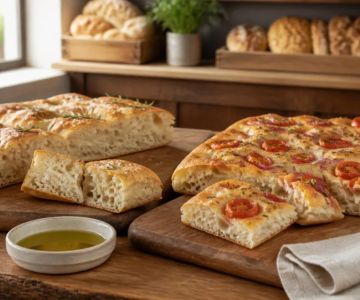
The Best Bakery Breads to Serve with SaladDiscover the best bakery breads to serve with salad, from artisan sourdough to rustic ciabatta. Learn expert pairing tips, flavor combinations, and how the right bread can transform a simple salad into a satisfying meal.
How to Make Bakery-Style Pies That Taste Like Grandma’sLearn how to make bakery-style pies that taste just like Grandma’s. Discover tips for perfect crusts, flavorful fillings, and baking techniques to create classic homemade pies.
Bakery-Style Lemon Meringue Cupcakes with a Zesty Filling You Can Make at HomeLearn how to make bakery-style lemon meringue cupcakes with a zesty filling at home. Step-by-step guide, tips, and tricks to bake perfect lemon cupcakes that impress every guest.
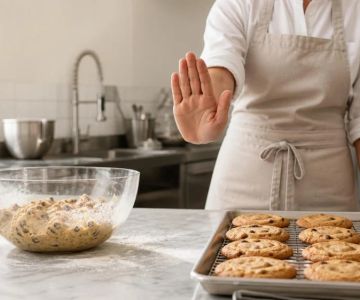
Perfect Bakery-Style Chocolate Chip Cookies That Melt in Your MouthLearn how to make bakery-style chocolate chip cookies that melt in your mouth with this step-by-step guide. Discover tips, ingredient secrets, and baking techniques for perfectly soft and irresistible cookies.
A Beginner’s Guide to Making the Perfect Bakery Pie: Step-by-Step Baking GuideA Beginner’s Guide to Making the Perfect Bakery Pie explains step-by-step techniques for crust, filling, and baking, helping beginners create bakery-quality pies at home.A Beginner’s Guide to Making the Perfect Bakery PieThe Everyday Baker’s Path to a Flawless Homemade Pie Worth Sharingpie-crust-foundation - mastering dough texture, butter balance, and structurefilling-flavor-development - choosing fruits, sugars, and thickening methodsbaking-temperature-control - how heat shapes crust color and texturereal-bakery-stories - lessons from bakeries and home baking experiencesbeginner-mistakes-solutions - fixing common pie baking problemsWhy Learning Pie Baking Feels Like Learning a Small Art FormThere is something deeply comforting about a freshly baked pie sitting on a kitchen counter—the golden crust, the bubbling filling, and the scent that fills the entire home. For many home bakers, A Beginner’s Guide to Making the Perfect Bakery Pie starts not with perfection, but with curiosity. Pie baking is one of those skills that looks simple but carries layers of technique hidden beneath its rustic appearance.The Foundation: Understanding Pie Dough Like a Professional BakerThe crust is the soul of any bakery pie. It is what separates a forgettable dessert from something people remember long after the last slice is gone. Beginners often underestimate how much control dough requires, but once understood, it becomes surprisingly intuitive.Butter temperature makes or breaks the crustCold butter creates flaky layers. When butter melts during baking, it releases steam, forming tiny pockets that give the crust its signature texture. If the butter is too warm during mixing, the dough becomes dense and loses structure.Why resting dough is not optionalResting allows gluten to relax. Without this step, the dough shrinks during baking and loses its shape. Even 30–60 minutes in the refrigerator can significantly improve results.Filling That Actually Tastes Like Something You RememberA great pie is not only about structure—it is about flavor that feels familiar yet elevated. Whether you are making apple, cherry, or blueberry pie, the filling should feel balanced, not overly sweet or watery.Fruit selection matters more than sugarMany beginners assume sugar is the main flavor driver, but fruit quality defines the final taste. Fresh, slightly tart fruits tend to hold up better during baking and create more complexity.Thickening agents and why they matterCornstarch, flour, or tapioca are used to control moisture. Without them, pies often turn runny when sliced. The goal is a filling that gently holds shape without feeling stiff or gelatinous.A Real Kitchen Story: The First Pie That Didn’t Go as PlannedA home baker once shared how her first attempt at apple pie ended in a soggy crust and overflowing filling. She followed a recipe perfectly but skipped one detail: letting the filling cool before assembling. The result taught her a simple but powerful lesson—temperature control matters as much as ingredients.On her next attempt, she chilled the filling, adjusted the sugar level, and pre-baked the crust slightly. The difference was dramatic. The crust held its shape, and the filling settled into a glossy, bakery-style texture. This kind of learning curve is exactly what makes baking personal.The Science of Baking Temperature and TimingHeat is not just a setting on an oven dial—it is the force that transforms raw dough into structure and fruit into filling. Understanding temperature behavior is essential in mastering A Beginner’s Guide to Making the Perfect Bakery Pie.High heat at the startMany professional bakers begin baking at a higher temperature to set the crust quickly. This prevents the butter from melting too early and helps preserve flakiness.Lower heat for finishingAfter the crust sets, reducing the temperature ensures the filling cooks evenly without burning the edges. This two-stage method is one of the secrets behind bakery-quality results.Common Beginner Mistakes and How to Fix Them NaturallyMost pie failures are not disasters—they are adjustments waiting to happen. Understanding common mistakes helps build confidence in the kitchen.Overworking the doughToo much mixing develops excess gluten, making the crust tough instead of tender. The solution is simple: mix just until combined, even if the dough looks slightly uneven.Undercooked bottom crustThis happens when the filling releases too much moisture too early. Blind baking the crust or using a preheated baking sheet can solve this issue effectively.What Makes a Bakery Pie Taste Different from Homemade AttemptsBakery pies often taste more consistent because professional bakers control variables tightly—temperature, ingredient ratios, and baking time. However, home bakers have something bakeries don’t: flexibility and personalization.In many small bakeries, recipes are adjusted seasonally. One bakery in the Midwest shared how their apple pies change flavor slightly depending on harvest batches. This attention to detail is what inspires many home bakers to refine their own techniques.Building Confidence Through Repetition, Not PerfectionBaking pie is not about getting it right the first time. It is about understanding how dough behaves, how fruit reacts to heat, and how small adjustments create big improvements over time.The more pies you make, the more intuitive the process becomes. Eventually, you stop following instructions mechanically and start recognizing patterns—how dough should feel, how filling should look before baking, and how crust color signals doneness.Turning Basic Ingredients Into Something Worth SharingA well-made pie has a way of bringing people together. It sits at the center of family gatherings, holidays, and casual weekend dinners. What starts as a simple recipe often becomes a tradition.For those who want to explore more baking inspiration, ingredient ideas, and curated dessert guides, platforms like Brunch & Snack Chat offer insights into baking culture, seasonal recipes, and practical kitchen guidance that can help elevate everyday baking.Why This Skill Becomes More Rewarding Over TimeThe true beauty of pie baking is not just in the final product but in the process itself. Each attempt builds understanding, and each mistake becomes part of your baking instinct.Mastering A Beginner’s Guide to Making the Perfect Bakery Pie is less about achieving perfection and more about enjoying the craft. And once that mindset shifts, every pie becomes better than the last.
Categories
Top Visited Sites
Diny Bakery Corporation4.0 (73 reviews)
LA CASTELLANA BAKERY4.0 (138 reviews)
Michael Kalanty0.0 (0 reviews)
Jersey Bagels & Grill4.0 (2 reviews)
Walmart Bakery0.0 (0 reviews)
Cake Me Happy Bakery0.0 (0 reviews)Top Bakery Searches
Trending Bakery Tales Posts

How to Create the Perfect Carrot Cake with Cream Cheese Frosting
How to Make Delicious Lemon Poppy Seed Cake | Heavenly Delights Bakery
How to Make Bakery-Style Honey Buns with a Sweet Glaze
How to Make Your Bakery’s Signature Item Stand Out in a Competitive Market
The Secret to Making Bakery-Style Fruit Tarts with Perfectly Sweetened Filling
How to Make the Best Almond Joy Cupcakes: Easy Recipe and Tips