
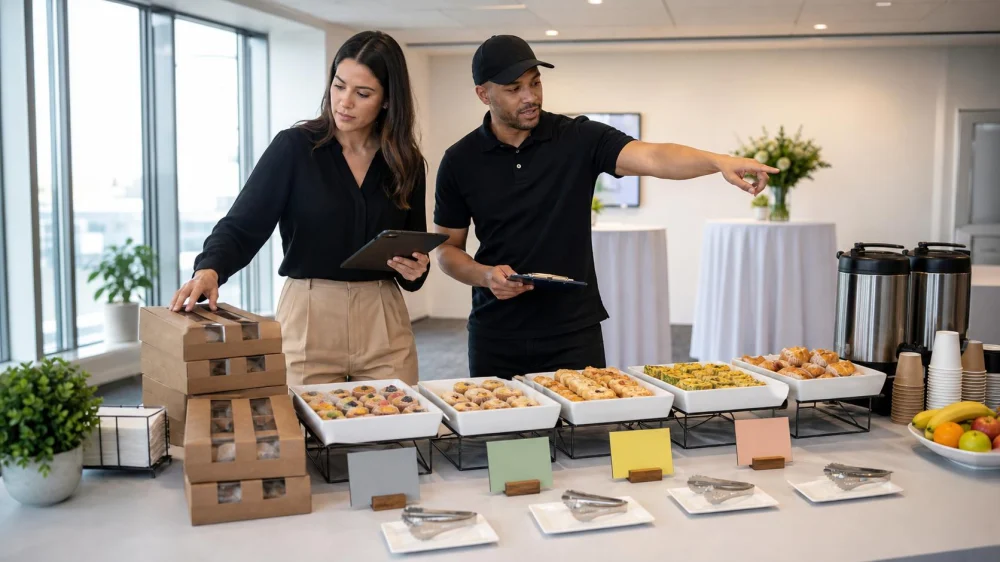
Bakery Breakfast Catering: Plan Quantities, Labels, and Delivery
On this page
Quick answer
Plan bakery breakfast catering from the event schedule and a confirmed guest count. Separate full meals from light refreshments, include dietary and allergen information, balance sweet and savoury items, order by pieces and servings, confirm cutting and utensils, and schedule pickup or delivery close enough to service for quality and food safety. Save substitutions, fees, setup, storage, and cancellation terms in writing.

Julius Sturgis Pretzel Bakery / pretzel factory lititz pa
LititzLancaster CountyPennsylvania
219 E Main St, Lititz, PA 17543, USA
Build the guest count
Record adults, children, staff, speakers, late arrivals, and a modest documented buffer. Ask whether breakfast is the only meal, follows another event, or competes with hotel food. An early meeting may need more coffee and portable items; a long session may need protein, fruit, and individually portioned options.
Count known dietary needs privately: food allergies, celiac needs, dairy-free, vegan, halal, kosher, diabetes-related requests, and texture or accessibility needs. Do not infer medical requirements from preference labels. Ask the bakery what it can reliably provide and label.
L’Ami Bakery & Cafe / bakery in h mart
48-18 Northern Blvd, Long Island City, NY 11101, USA
Choose the menu
- Offer more than one pastry style and at least one less-sweet option.
- Add suitable fruit, yoghurt, eggs, sandwiches, or other foods through approved vendors when the bakery menu alone is not a complete meal.
- Confirm item size; mini, regular, jumbo, and platter pieces change quantity.
- Ask whether loaves, cakes, or bars arrive sliced and how many servings they yield.
- Keep allergy-specific items sealed and separately labelled when the provider can meet the need.
- Order coffee, tea, water, cups, lids, milk options, napkins, plates, tongs, knives, and waste supplies explicitly.
Give guests readable ingredient and allergen information from the provider. Separate utensils do not solve a shared-production issue, but they reduce service mix-ups.
Plan pickup and service
- Confirm address, loading access, floor, room, contact, and delivery window.
- Ask whether delivery means curb, reception, room drop, or full setup.
- Record gratuity, service charge, delivery, rush, rental, and minimum fees.
- Assign one person to receive, count, photograph, and compare the order.
- Arrange tables away from traffic and mark dietary items before guests arrive.
- Use separate tongs and place labels where they stay with the correct platter.
- Protect temperature-sensitive fillings and other perishable foods according to provider and official food-safety instructions.
Handle leftovers
Before service, ask which items require refrigeration and how long they may remain out. Record when perishable food arrived and when service began. Do not return handled food to a clean catering tray. Package suitable leftovers promptly in clean labelled containers, share only when safe transport and storage are available, and discard food when time or temperature is uncertain.
Catering checklist
- Event time, headcount, meal role, and buffer confirmed
- Dietary needs collected and bakery capabilities verified
- Piece size, assortment, labels, and cutting plan written
- Beverages, serviceware, and utensils included
- Delivery location, access, contact, and setup scope confirmed
- All fees, deposit, balance, changes, and cancellation saved
- Receiver and discrepancy process assigned
- Perishable holding and leftover plan ready
Limitations
Appetites and attendance vary, and bakeries use different serving estimates. Dietary labels do not eliminate cross-contact unless supported by the provider's process. Local food-service and venue rules may apply. This guide offers planning questions, not nutrition, allergy, or legal advice.
FAQ
How many pastries per person?
It depends on size, meal role, other food, event length, and guest mix. Ask the bakery for piece dimensions and use a written assumption.
Should everything be individually wrapped?
Wrapping helps transport and handoff but adds waste and does not establish allergen safety. Use it where hygiene or portability benefits.
Can the bakery guarantee no substitutions?
Ask for a contact-before-substitution rule and identify which changes require approval.
Who should receive the delivery?
Assign one reachable person who can count items, verify labels, sign appropriately, and resolve errors.
What if attendance rises?
Know the final-change deadline and keep a simple shelf-stable backup that meets known dietary needs.
Evidence notes
Use the bakery's current written menu, size and serving descriptions, ingredient records, quote, delivery scope, and cancellation terms as the evidence base for the order. For allergy and temperature-sensitive items, follow current official food-safety guidance and direct provider instructions.
Conclusion
Good breakfast catering is a logistics plan disguised as a pastry order. Confirm people, portions, dietary labels, delivery scope, service tools, and safe leftovers before the final deadline.
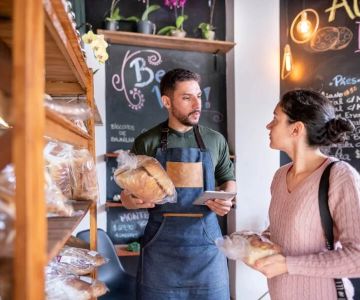





 Nagoya Bakery4.0 (25 reviews)
 The Quantum Baker0.0 (0 reviews)
 Valerio's Tropical Bake Shop4.0 (43 reviews)
 Manny's Bakeshop & Restaurant4.0 (19 reviews)
 Nanding's Bakery4.0 (368 reviews)
 Aloha Sunrise Granola5.0 (5 reviews)
 Pastry Gift Box Check: Variety, Allergens, and Transport
 Sourdough Loaf Pickup: Bake Time, Slicing, and Storage
 Bakery Celebration Cake Pickup: Size, Travel, and Timing
 Bakery Bread Storage: Crust, Moisture, and Freezing Guide
 Bakery Reservation Notes: Time, Party, Access, and Contact
 Bakery Menu Portion Chec: A Heavenly Delights Bakery Reader Guide