Bakery Tales - Explore Delicious Stories from Bakeries Around the World
How to Make Bakery-Style Pies That Taste Like Grandma’sLearn how to make bakery-style pies that taste just like Grandma’s. Discover tips for perfect crusts, flavorful fillings, and baking techniques to create classic homemade pies.
Bakery-Style Lemon Meringue Cupcakes with a Zesty Filling You Can Make at HomeLearn how to make bakery-style lemon meringue cupcakes with a zesty filling at home. Step-by-step guide, tips, and tricks to bake perfect lemon cupcakes that impress every guest.
Perfect Bakery-Style Chocolate Chip Cookies That Melt in Your MouthLearn how to make bakery-style chocolate chip cookies that melt in your mouth with this step-by-step guide. Discover tips, ingredient secrets, and baking techniques for perfectly soft and irresistible cookies.
A Beginner’s Guide to Making the Perfect Bakery Pie: Step-by-Step Baking GuideA Beginner’s Guide to Making the Perfect Bakery Pie explains step-by-step techniques for crust, filling, and baking, helping beginners create bakery-quality pies at home.A Beginner’s Guide to Making the Perfect Bakery PieThe Everyday Baker’s Path to a Flawless Homemade Pie Worth Sharingpie-crust-foundation - mastering dough texture, butter balance, and structurefilling-flavor-development - choosing fruits, sugars, and thickening methodsbaking-temperature-control - how heat shapes crust color and texturereal-bakery-stories - lessons from bakeries and home baking experiencesbeginner-mistakes-solutions - fixing common pie baking problemsWhy Learning Pie Baking Feels Like Learning a Small Art FormThere is something deeply comforting about a freshly baked pie sitting on a kitchen counter—the golden crust, the bubbling filling, and the scent that fills the entire home. For many home bakers, A Beginner’s Guide to Making the Perfect Bakery Pie starts not with perfection, but with curiosity. Pie baking is one of those skills that looks simple but carries layers of technique hidden beneath its rustic appearance.The Foundation: Understanding Pie Dough Like a Professional BakerThe crust is the soul of any bakery pie. It is what separates a forgettable dessert from something people remember long after the last slice is gone. Beginners often underestimate how much control dough requires, but once understood, it becomes surprisingly intuitive.Butter temperature makes or breaks the crustCold butter creates flaky layers. When butter melts during baking, it releases steam, forming tiny pockets that give the crust its signature texture. If the butter is too warm during mixing, the dough becomes dense and loses structure.Why resting dough is not optionalResting allows gluten to relax. Without this step, the dough shrinks during baking and loses its shape. Even 30–60 minutes in the refrigerator can significantly improve results.Filling That Actually Tastes Like Something You RememberA great pie is not only about structure—it is about flavor that feels familiar yet elevated. Whether you are making apple, cherry, or blueberry pie, the filling should feel balanced, not overly sweet or watery.Fruit selection matters more than sugarMany beginners assume sugar is the main flavor driver, but fruit quality defines the final taste. Fresh, slightly tart fruits tend to hold up better during baking and create more complexity.Thickening agents and why they matterCornstarch, flour, or tapioca are used to control moisture. Without them, pies often turn runny when sliced. The goal is a filling that gently holds shape without feeling stiff or gelatinous.A Real Kitchen Story: The First Pie That Didn’t Go as PlannedA home baker once shared how her first attempt at apple pie ended in a soggy crust and overflowing filling. She followed a recipe perfectly but skipped one detail: letting the filling cool before assembling. The result taught her a simple but powerful lesson—temperature control matters as much as ingredients.On her next attempt, she chilled the filling, adjusted the sugar level, and pre-baked the crust slightly. The difference was dramatic. The crust held its shape, and the filling settled into a glossy, bakery-style texture. This kind of learning curve is exactly what makes baking personal.The Science of Baking Temperature and TimingHeat is not just a setting on an oven dial—it is the force that transforms raw dough into structure and fruit into filling. Understanding temperature behavior is essential in mastering A Beginner’s Guide to Making the Perfect Bakery Pie.High heat at the startMany professional bakers begin baking at a higher temperature to set the crust quickly. This prevents the butter from melting too early and helps preserve flakiness.Lower heat for finishingAfter the crust sets, reducing the temperature ensures the filling cooks evenly without burning the edges. This two-stage method is one of the secrets behind bakery-quality results.Common Beginner Mistakes and How to Fix Them NaturallyMost pie failures are not disasters—they are adjustments waiting to happen. Understanding common mistakes helps build confidence in the kitchen.Overworking the doughToo much mixing develops excess gluten, making the crust tough instead of tender. The solution is simple: mix just until combined, even if the dough looks slightly uneven.Undercooked bottom crustThis happens when the filling releases too much moisture too early. Blind baking the crust or using a preheated baking sheet can solve this issue effectively.What Makes a Bakery Pie Taste Different from Homemade AttemptsBakery pies often taste more consistent because professional bakers control variables tightly—temperature, ingredient ratios, and baking time. However, home bakers have something bakeries don’t: flexibility and personalization.In many small bakeries, recipes are adjusted seasonally. One bakery in the Midwest shared how their apple pies change flavor slightly depending on harvest batches. This attention to detail is what inspires many home bakers to refine their own techniques.Building Confidence Through Repetition, Not PerfectionBaking pie is not about getting it right the first time. It is about understanding how dough behaves, how fruit reacts to heat, and how small adjustments create big improvements over time.The more pies you make, the more intuitive the process becomes. Eventually, you stop following instructions mechanically and start recognizing patterns—how dough should feel, how filling should look before baking, and how crust color signals doneness.Turning Basic Ingredients Into Something Worth SharingA well-made pie has a way of bringing people together. It sits at the center of family gatherings, holidays, and casual weekend dinners. What starts as a simple recipe often becomes a tradition.For those who want to explore more baking inspiration, ingredient ideas, and curated dessert guides, platforms like Brunch & Snack Chat offer insights into baking culture, seasonal recipes, and practical kitchen guidance that can help elevate everyday baking.Why This Skill Becomes More Rewarding Over TimeThe true beauty of pie baking is not just in the final product but in the process itself. Each attempt builds understanding, and each mistake becomes part of your baking instinct.Mastering A Beginner’s Guide to Making the Perfect Bakery Pie is less about achieving perfection and more about enjoying the craft. And once that mindset shifts, every pie becomes better than the last.
Bakery-Style Cherry Clafoutis with Sweet Almond Filling RecipeDiscover how to make bakery-style cherry clafoutis with a sweet almond filling. Follow our detailed step-by-step recipe to create this delicious French dessert at home, perfect for any occasion.
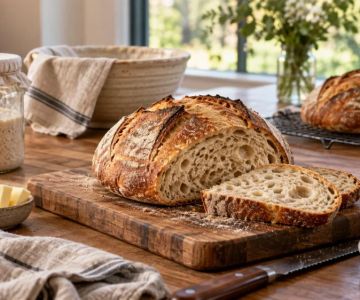
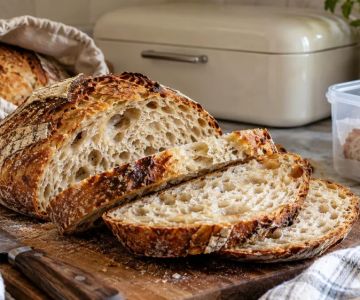
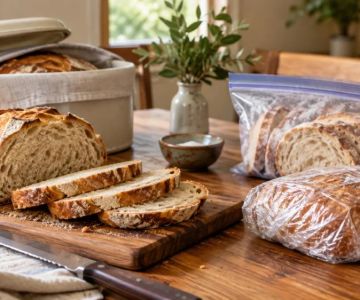
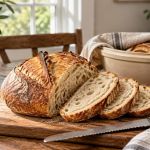
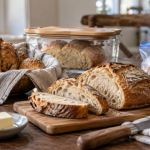
Your First Artisan Bread: Step-by-Step Baking GuideMaster baking your first artisan bread with this step-by-step guide. Learn techniques, tips, and secrets to create a perfect homemade loaf every time.
How to Pair Bakery Pastry with Coffee for the Ultimate Breakfast ExperienceLearn how to pair your favorite bakery pastry with coffee for the ultimate breakfast experience. Discover flavor pairing principles, real café stories, and expert tips to elevate your morning routine.
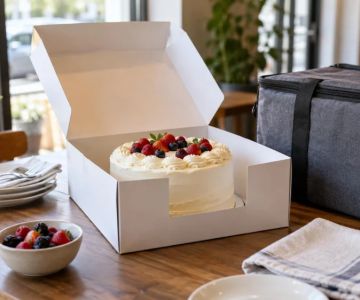
How to Bake a Bakery-Style Black Forest Cake with Layers of Rich FlavorLearn how to make a bakery-style Black Forest cake with layers of rich flavor. Step-by-step guide for moist chocolate layers, cherries, whipped cream, and professional tips for homemade perfection.
Discover the Best French Bakery Pastries to Try in Paris and BeyondExplore Discover the Best French Bakery Pastries to Try with a detailed guide to croissants, éclairs, and authentic French patisserie culture. Learn stories, flavors, and where to find the best baked delights.
Delicious Holiday Pastries to Savor from the Best BakeriesDiscover the best bakery pastries to enjoy during the holiday season. Explore festive treats, seasonal flavors, and expert tips for choosing the perfect pastries for celebrations and gifts.
Mastering Cake Decorating: Essential Tips for Beginners to Create Stunning CakesLearn the art of cake decorating with beginner-friendly tips, step-by-step guidance, and practical techniques to create beautiful cakes. Explore frosting ideas, cake design strategies, and essential tools for stunning results.
Bakery-Style Butter Cookies Recipe for Crisp and Light TextureDiscover how to make bakery-style butter cookies with a crisp, light texture. Step-by-step guide with expert tips, real baking insights, and secrets to achieving the perfect cookie at home.
The History of Cupcakes: How They Became a Bakery StapleExplore the history of cupcakes, from early homemade recipes to their rise as a bakery staple in America. Learn how cupcakes became a global dessert trend and why they remain so popular today.
How to Make a Bakery-Style Fruit Galette at HomeDiscover how to create the perfect bakery-style fruit galette at home. Learn step-by-step tips for flaky crusts, fresh fruit fillings, and presentation techniques that impress.
Healthier Baking Made Simple with Natural SweetenersDiscover why you should try baking with natural sweeteners for healthier treats. Learn tips, recipes, and benefits of using honey, maple syrup, and other natural sugar alternatives.
Bakery-Style Lemon Meringue Pie with Golden Top | Step-by-Step Homemade GuideLearn how to make bakery-style lemon meringue pie with a golden top using a step-by-step homemade approach. Discover baking tips, real kitchen stories, and expert techniques for a perfect citrus dessert.
The Healthier Side of Bakery: Low-Sugar & Low-Carb Baking GuideExplore The Healthier Side of Bakery: Exploring Low-Sugar and Low-Carb Options with practical tips, real baking insights, and healthy alternatives that still deliver rich flavor and texture.The Healthier Side of Bakery: Low-Sugar & Low-Carb Baking GuideReimagining Bakery Treats Through a Health-Conscious Lenslow-sugar-reformulation-basics - Understanding how sugar reduction changes structure and tastelow-carb-ingredient-swaps - Replacing flour and starch without losing texturenatural-sweetener-strategy - Using alternatives like monk fruit and stevia effectivelytexture-preservation-techniques - Keeping baked goods soft without refined sugarreal-world-bakery-adaptation - How modern bakeries respond to health trendsWhy Healthier Baking Has Become a Modern Bakery MovementOver the past decade, bakeries have experienced a quiet but powerful transformation. Customers are no longer only chasing sweetness and indulgence—they are asking what is inside each bite. This shift has pushed both home bakers and professional kitchens to rethink traditional recipes and explore The Healthier Side of Bakery: Exploring Low-Sugar and Low-Carb Options.In cities like Los Angeles and New York, boutique bakeries now proudly label items as low sugar or keto-friendly. What was once considered niche has become mainstream, driven by lifestyle changes, fitness awareness, and dietary needs such as diabetes management or carb-conscious eating.1. Understanding Low-Sugar Baking Without Losing Flavor IdentityThe Role of Sugar Beyond SweetnessSugar is not just a sweetener—it influences browning, moisture retention, and structure. Removing or reducing it changes the entire baking chemistry. That is why simply cutting sugar in half often leads to dry or flat results.Real Bakery Experiment InsightA small bakery in California experimented with reducing sugar in their signature muffins by 40%. The first batch failed—texture was dense and unappealing. After reformulating with apple puree and monk fruit blend, they achieved a balanced flavor profile that retained softness while reducing sugar load significantly.Practical Adjustment StrategyTo maintain flavor depth in low sugar bakery options, use natural sweetness enhancers like ripe bananas, applesauce, or dates. These ingredients also contribute moisture, reducing the need for extra fats.2. Low-Carb Baking and the Challenge of StructureWhy Traditional Flour Cannot Be Easily ReplacedFlour provides gluten, which is essential for structure. Removing it requires careful substitution to avoid crumbly or overly dense results. This is where almond flour, coconut flour, and oat fiber come into play.Case Example: Keto Bread DevelopmentA bakery in Austin attempted to create a fully keto bread. Early versions collapsed due to lack of gluten structure. By combining almond flour with psyllium husk, they achieved elasticity and chewiness closer to traditional bread.Key Structural InsightWhen working with low carb bakery recipes, hydration levels must be adjusted carefully. Almond flour absorbs less liquid than wheat flour, while coconut flour absorbs significantly more.3. Natural Sweeteners and Their Behavioral DifferencesHow Sweeteners React in BakingNot all sweeteners behave like sugar. Stevia, monk fruit, and erythritol provide sweetness without calories but do not caramelize or brown like sugar does.Flavor Balance StrategyMany professional bakers blend sweeteners instead of using one type alone. For example, monk fruit adds smooth sweetness while erythritol provides bulk and texture.Common Beginner MistakeOne home baker replaced sugar 1:1 with stevia in brownies. The result was overly bitter and dry. After adjusting with a blend of almond flour and applesauce, the texture improved dramatically.4. Preserving Texture in Sugar-Free and Carb-Reduced BakingMoisture Retention Without SugarSugar helps trap moisture in baked goods. Without it, cakes and cookies can become dry quickly unless alternative hydration methods are used.Professional Bakery TechniqueSome bakeries add Greek yogurt or avocado puree to maintain richness in sugar-free desserts. These ingredients also enhance creaminess without altering flavor dramatically.Home Baking AdaptationCover baked goods while slightly warm to lock in steam. This simple method significantly improves softness, especially in diabetic friendly desserts.5. Real Bakery Industry Shift Toward Healthier MenusConsumer Demand Driving InnovationModern customers increasingly read ingredient labels. This has forced bakeries to rethink traditional menus and introduce healthier alternatives without compromising taste experience.Urban Bakery Case StudyA bakery in Chicago launched a “low sugar weekend menu” and saw a 25% increase in new customer traffic. Many customers reported they were surprised that healthier options could still taste indulgent.Balancing Indulgence and NutritionThe key is not elimination but substitution. Successful bakeries understand that customers still want enjoyment—they simply prefer smarter ingredients behind it.Bringing Health-Conscious Baking Into Everyday LifeTransitioning into The Healthier Side of Bakery: Exploring Low-Sugar and Low-Carb Options does not mean sacrificing enjoyment. It means learning how ingredients behave and how to adjust recipes with intention rather than restriction.For those looking to explore ingredient guides, baking tools, and curated healthy baking inspiration, platforms like Brunch & Snack Chat provide valuable direction for both beginners and experienced bakers who want to refine their craft while maintaining healthier choices.As demand continues to grow, healthier bakery options are no longer a trend—they are becoming a standard expectation. Exploring these techniques today opens the door to a more balanced and creative baking future.
Bakery Pop-Ups: Why They’re Booming and How You Can Start Your OwnDiscover why bakery pop-ups are taking over and how you can join the trend. Learn practical tips, real-life examples, and step-by-step guidance to start your own successful pop-up bakery.
Categories
Top Visited Sites
The Original New York Bagels4.0 (146 reviews)
La Carlota5.0 (2 reviews)
Bart’s Kitchen & Bakery5.0 (17 reviews)
Donut Factory4.0 (87 reviews)
Sister Eboniques5.0 (3 reviews)
Baked by Brandy0.0 (0 reviews)Top Bakery Searches
Trending Bakery Tales Posts

Understanding the Art of Cake Making and How to Perfect Your Craft
How to Decorate a Cake Like a Pro with Simple Bakery Techniques
How to Use Coconut Flour in Baking for a Gluten-Free Treat
How to Make Homemade Hot Cross Buns for Easter (Step-by-Step Guide)
How to Make Bakery-Style Vegan Chocolate Cake Without Dairy
How to Make Bakery-Style Churros with a Cinnamon Sugar Coating