
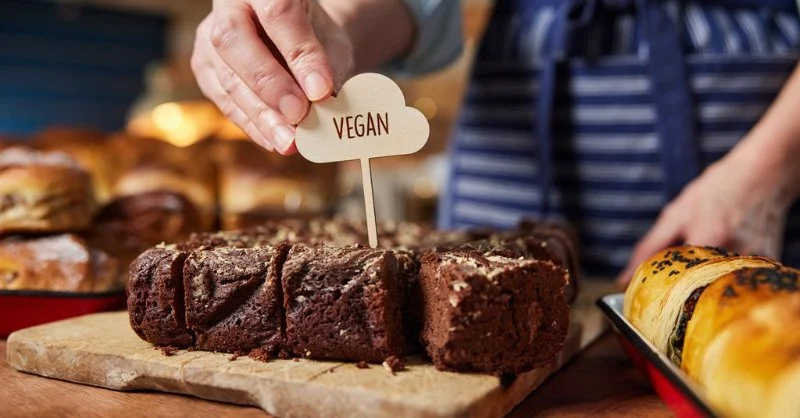
When Tradition Meets Change: The New Era of Bakery Innovation
- bakery-industry-vegan-gluten-free-adaptation-strategies
- how-modern-bakeries-rethink-ingredients-and-recipes
- real-world-examples-of-plant-based-bakery-success
- consumer-demand-driving-healthier-baked-goods-market
- future-of-baking-in-a-diet-conscious-world
The Shift That Changed Everything in Modern Baking
Over the past decade, the bakery world has experienced one of the most dramatic transformations in its history. What once revolved around butter, eggs, refined flour, and dairy has now expanded into a much more complex landscape shaped by dietary awareness, sustainability concerns, and lifestyle choices. Understanding how the bakery industry is adapting to the vegan and gluten-free trends is no longer just a niche discussion—it has become central to how modern bakeries survive and thrive.
Walk into almost any urban bakery today, and you will likely see shelves labeled “plant-based,” “gluten-free,” or “dairy-free.” This is not a marketing gimmick—it reflects a real shift in consumer demand that has forced bakeries to rethink everything from ingredient sourcing to baking techniques.

Julius Sturgis Pretzel Bakery / pretzel factory lititz pa
LititzLancaster CountyPennsylvania
219 E Main St, Lititz, PA 17543, USA
Why Vegan and Gluten-Free Demand Is Growing So Fast
Health Awareness and Dietary Sensitivities
One of the biggest drivers behind this transformation is health consciousness. More consumers are identifying gluten intolerance, lactose sensitivity, or choosing vegan diets for ethical and health reasons. This has created a demand for allergen-friendly baked goods that do not compromise taste or texture.
A bakery owner in Portland once shared how nearly 40% of their new customers specifically ask for gluten-free options. What started as a “special request menu” eventually became a core part of their business model.

L’Ami Bakery & Cafe / bakery in h mart
48-18 Northern Blvd, Long Island City, NY 11101, USA
Ethical and Environmental Influences
Beyond health, ethical concerns about animal welfare and environmental sustainability have also influenced consumer behavior. Vegan baking removes animal-based ingredients like butter, milk, and eggs, reducing environmental impact while appealing to a growing ethical consumer base.
This shift has pushed bakeries to explore creative replacements that still maintain the indulgent experience customers expect from baked goods.
Ingredient Innovation: The Heart of Bakery Transformation
Reimagining Traditional Baking Foundations
Replacing traditional ingredients is not as simple as it sounds. Eggs, for example, provide structure, moisture, and binding. In vegan baking, they are often replaced with flaxseed gel, aquafaba, or banana puree—each affecting texture differently.
Similarly, gluten-free baking requires a blend of alternative flours such as almond flour, rice flour, or oat flour, combined with binding agents like xanthan gum to replicate elasticity.
The Science Behind Texture and Flavor
One of the biggest challenges bakeries face is maintaining the familiar texture consumers expect. Gluten-free dough behaves differently, often lacking elasticity, while vegan recipes can sometimes miss the richness provided by dairy.
Successful bakeries invest heavily in food science experimentation, adjusting hydration levels, baking temperatures, and ingredient ratios to achieve consistency.
Real Bakery Story: From Traditional to Trend-Driven Success
A small bakery in California started as a traditional European-style pastry shop. However, declining foot traffic forced the owners to rethink their approach. After introducing a vegan almond croissant and a gluten-free chocolate muffin, customer response exceeded expectations.
Within a year, over 60% of their sales came from their new specialty items. The bakery eventually rebranded itself entirely as a “modern inclusive bakery,” showing how adapting to dietary trends can redefine a business.
This example highlights how the bakery industry is adapting to the vegan and gluten-free trends not just for survival, but for long-term growth.
Challenges Bakeries Face During This Transition
Higher Production Costs and Ingredient Complexity
Alternative ingredients often cost more than traditional baking staples. Almond flour, coconut oil, and specialty starches increase production expenses, forcing bakeries to balance pricing with accessibility.
Smaller bakeries, in particular, struggle with maintaining profitability while experimenting with new recipes.
Customer Expectations and Taste Consistency
Consumers expect vegan and gluten-free products to taste just as good as traditional baked goods. Meeting this expectation consistently is one of the hardest challenges in the industry.
Many bakeries invest in continuous testing and customer feedback loops to refine recipes until they achieve the right balance.
How Bakeries Are Building a Future Around Inclusivity
Expanding Menus Without Losing Identity
Instead of replacing traditional products, many bakeries are expanding their menus to include inclusive options. This allows them to serve both traditional customers and those with dietary restrictions.
The result is a more diverse customer base and stronger brand identity in a competitive food market.
Technology and Recipe Development
Modern bakeries increasingly rely on digital tools and food lab research to develop consistent vegan and gluten-free recipes. Temperature control systems, ingredient tracking software, and texture analysis tools help ensure quality control.
This technological shift is quietly transforming baking from an artisanal craft into a hybrid of art and science.
The Cultural Impact of Modern Baking Trends
The rise of vegan and gluten-free baking has also influenced food culture. Social media platforms are filled with bakery innovations, from colorful plant-based cupcakes to artisan gluten-free sourdough loaves.
This visibility has encouraged even traditional bakeries to experiment and share their creations, creating a global conversation around inclusive baking.
What Comes Next for the Bakery Industry
Looking ahead, the bakery world is likely to continue evolving toward even more specialized dietary options. Personalized nutrition, functional ingredients, and sustainability-focused baking will play larger roles.
Businesses that embrace these changes early are positioned to lead the next wave of innovation.
For readers interested in exploring more about modern baking trends, ingredient innovations, and specialty baked goods, discover curated insights and product ideas at Brunch & Snack Chat, where evolving food culture meets everyday inspiration.




 Nagoya Bakery4.0 (25 reviews)
 The Quantum Baker0.0 (0 reviews)
 Valerio's Tropical Bake Shop4.0 (43 reviews)
 Manny's Bakeshop & Restaurant4.0 (19 reviews)
 Nanding's Bakery4.0 (368 reviews)
 Aloha Sunrise Granola5.0 (5 reviews)
 Bakery Celebration Cake Pickup: Size, Travel, and Timing
 Bakery Bread Storage: Crust, Moisture, and Freezing Guide
 Bakery Reservation Notes: Time, Party, Access, and Contact
 Bakery Menu Portion Chec: A Heavenly Delights Bakery Reader Guide
 Bakery Service Charge Check: Bill, Tips, and Group Split
 Bakery Texture Guide: A Practical US Checklist