
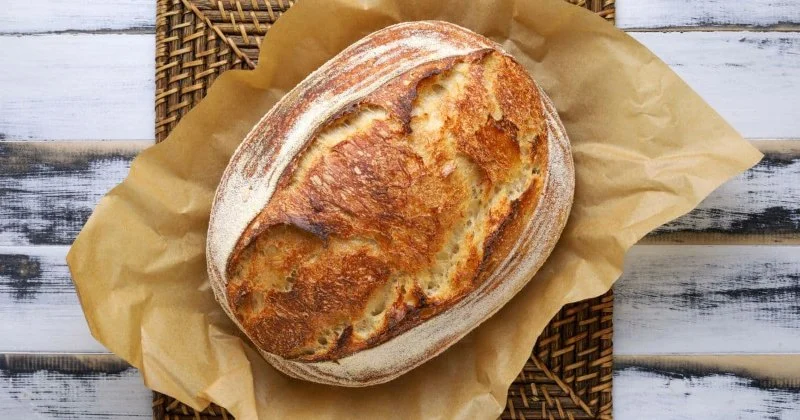
Why My First Crusty Sourdough Loaf Changed the Way I Bake Forever
- 1-introduction-baking-journey-basics
- 2-sourdough-starter-role-fermentation-science
- 3-flour-water-ratios-dough-hydration-control
- 4-kneading-and-folding-techniques-gluten-development
- 5-bulk-fermentation-timing-and-temperature
- 6-shaping-loaf-baking-structure-formation
- 7-scoring-steam-oven-environment
- 8-cold-proofing-flavor-development
- 9-baking-dutch-oven-techniques-crust-quality
- 10-common-mistakes-and-real-baker-stories
1. A Kitchen Moment That Turned Into a Baking Obsession
The first time I tried baking sourdough bread at home, I didn’t expect much. I followed a recipe I barely understood, stared at a bubbling jar of starter like it was alive (because, in a way, it is), and hoped for something edible. What came out of the oven wasn’t perfect—but the crackling crust and tangy aroma completely changed how I think about baking.
That moment is what inspired this guide on 10 Tips for Baking the Perfect Loaf of Sourdough Bread at Home, built not just on theory but on real kitchen mistakes, small victories, and lessons learned the hard way.

Julius Sturgis Pretzel Bakery / pretzel factory lititz pa
LititzLancaster CountyPennsylvania
219 E Main St, Lititz, PA 17543, USA
2. Understanding the Living Engine Behind Sourdough
Every great loaf begins with a healthy starter. This mixture of wild yeast and bacteria is the true heart of homemade sourdough. Unlike commercial yeast, it behaves unpredictably—but that unpredictability is what gives sourdough its character.
A strong starter should double in size within 4–6 hours after feeding. One baker I spoke with once compared it to “keeping a pet that feeds your bread,” which honestly feels accurate when you’ve been nurturing it for weeks.

L’Ami Bakery & Cafe / bakery in h mart
48-18 Northern Blvd, Long Island City, NY 11101, USA
3. Flour, Water, and the Science of Dough Hydration
Hydration level determines whether your loaf becomes airy or dense. Beginners often fear sticky dough, but high hydration is what creates those beautiful open crumbs seen in artisan bakeries.
A good starting point is around 70% hydration, gradually increasing as you gain confidence. The balance between flour absorption and water content is what defines the texture of a perfect sourdough loaf.
4. Folding Instead of Over-Kneading
Traditional kneading is less important in modern sourdough methods. Instead, stretch-and-fold techniques during bulk fermentation help build gluten structure without overworking the dough.
Think of it as gently guiding the dough rather than forcing it. Each fold strengthens the structure, helping trap gas bubbles that eventually become that light, airy interior.
5. Timing Bulk Fermentation Like a Baker, Not a Clock Watcher
One of the biggest mistakes beginners make is following time instead of observing dough behavior. Temperature, humidity, and starter strength all influence fermentation speed.
Experienced bakers often say, “Watch the dough, not the clock.” When it becomes slightly domed, airy, and jiggly, it’s ready for the next step.
6. Shaping the Dough for Structure and Rise
Shaping isn’t just cosmetic—it determines how your loaf rises in the oven. A tight surface tension helps trap gas and gives the bread its final height.
I still remember the first time I shaped a boule properly. It felt like holding something alive, fragile yet structured, ready to transform under heat.
7. Scoring and Steam: The Oven’s Hidden Chemistry
Scoring controls how the bread expands. Without it, steam escapes unpredictably, often leading to cracks. A sharp blade and confident motion make all the difference.
Steam, on the other hand, is what creates that glossy, crackling crust. Many home bakers use a Dutch oven to replicate professional steam-injected ovens.
8. Cold Proofing for Deeper Flavor Development
Refrigerating dough overnight slows fermentation, allowing complex flavors to develop. This step is often what separates good bread from unforgettable bread.
Some of the best bakery-style sourdough results come from 12–18 hours of cold proofing. The flavor becomes slightly nutty, tangy, and far more layered.
9. Dutch Oven Baking for Artisan-Level Results
Using a preheated Dutch oven traps steam inside, mimicking professional bakery conditions. The result is a thick, crunchy crust with a soft, airy interior.
If you're serious about improving your baking setup, exploring tools and guides from artisan baking communities like Home Baking techniques hubs or visiting curated resources such as artisan bread baking recommendations at Baker’s resource platforms can elevate your results significantly.
10. Mistakes I Made So You Don’t Have To
Early on, I overproofed dough, underfed my starter, and baked loaves that resembled dense bricks more than bread. One memorable failure happened when I forgot to score the dough—it exploded unpredictably in the oven like a culinary science experiment gone wrong.
These mistakes, however, are part of the learning curve. Every imperfect loaf teaches you something valuable about timing, texture, and temperature control.
A Real-World Baking Story That Changed My Perspective
A friend of mine started baking sourdough during a long winter when bakery shelves were often empty. What began as necessity turned into passion. She eventually gifted loaves to neighbors, and soon her small kitchen became a local sourdough exchange hub.
Her journey reflects what many home bakers experience: sourdough isn’t just food—it’s connection, patience, and craft combined.
Bringing It All Together in Your Own Kitchen
Mastering 10 Tips for Baking the Perfect Loaf of Sourdough Bread at Home is less about perfection and more about rhythm. Once you understand fermentation, hydration, shaping, and baking environment, everything starts to feel intuitive.
If you’re ready to take your baking further, explore advanced techniques, tools, and ingredients through trusted baking resources such as artisan baking communities and guides like Baking tools collections available at baking-focused platforms. They can help refine your craft and introduce you to higher-level techniques.
Baking sourdough is a journey that rewards patience. Each loaf is a reflection of your attention, timing, and curiosity. And once you get that first truly perfect crusty loaf, it’s hard to go back.






 Nagoya Bakery4.0 (25 reviews)
 The Quantum Baker0.0 (0 reviews)
 Valerio's Tropical Bake Shop4.0 (43 reviews)
 Manny's Bakeshop & Restaurant4.0 (19 reviews)
 Nanding's Bakery4.0 (368 reviews)
 Aloha Sunrise Granola5.0 (5 reviews)
 Bakery Custom Cake Handoff: Design, Allergens, and Pickup
 Bread Freezing Plan: Slicing, Wrapping, and Thawing
 Pastry Gift Box Check: Variety, Allergens, and Transport
 Sourdough Loaf Pickup: Bake Time, Slicing, and Storage
 Bakery Celebration Cake Pickup: Size, Travel, and Timing
 Bakery Bread Storage: Crust, Moisture, and Freezing Guide