
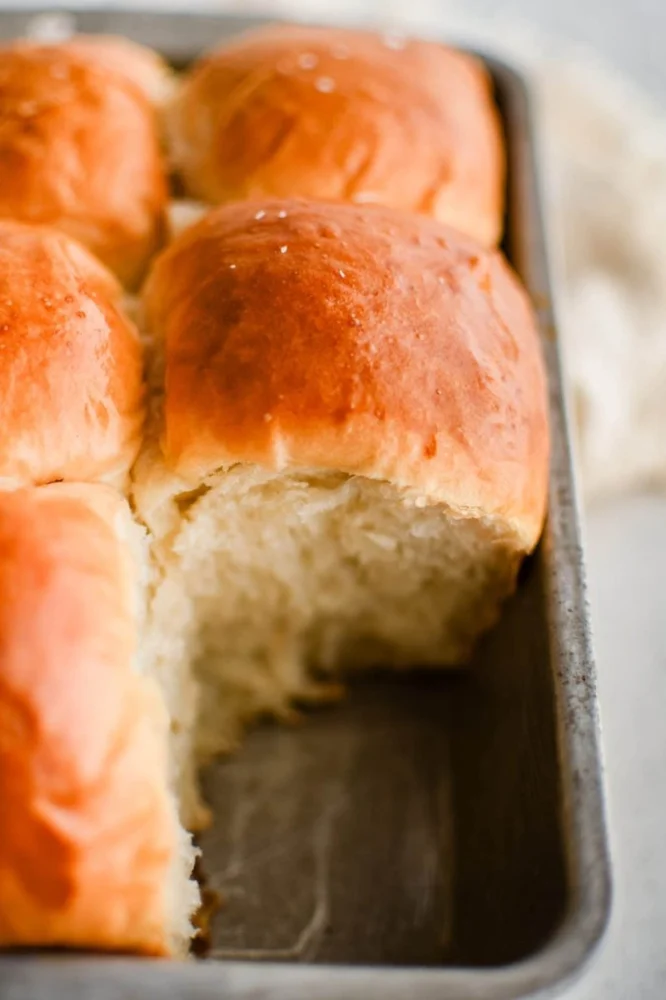
The Secret to Soft, Cloud-Like Dinner Rolls You Can Make at Home
- dough-preparation-basics - Understanding how to build strong, elastic dough from the start
- yeast-activation-techniques - How proper fermentation creates bakery-level softness
- texture-and-flavor-science - Why some dinner rolls stay soft for days
- baking-process-mastery - Oven techniques that transform homemade rolls into bakery-quality results
- real-home-baking-experiences - Lessons from everyday bakers who perfected their rolls
- troubleshooting-common-issues - Fixing dense, dry, or uneven rolls
- finishing-and-serving-ideas - Turning simple rolls into memorable table highlights
Why Bakery-Style Dinner Rolls Feel So Different
Anyone who has walked into a bakery right after fresh bread comes out of the oven knows the feeling—warm air filled with buttery aroma, and trays of golden, impossibly soft rolls. The idea of recreating that at home often feels out of reach, but learning how to create the perfect bakery-inspired dinner rolls is less about professional equipment and more about understanding technique.
What makes bakery rolls so special is not just ingredients, but precision in timing, hydration, and temperature. Small adjustments in how dough is mixed or rested can completely change the final texture. Once you understand these fundamentals, home baking starts to feel surprisingly achievable.
Building the Foundation: Dough That Actually Works
Understanding Gluten Development
The structure of any great roll starts with gluten. When flour meets water and is kneaded properly, it forms an elastic network that traps gas from yeast. This is what creates the airy, fluffy texture people expect from bakery rolls. Under-kneaded dough leads to dense results, while over-kneading can make the texture tight and chewy.
Hydration Makes the Difference
One detail many home bakers overlook is hydration level. Slightly softer doughs often produce lighter rolls. A common mistake is adding too much flour during kneading because the dough feels sticky at first. In reality, that softness is what later becomes the tender crumb inside the roll.
Yeast Activation and Flavor Development
Why Yeast Timing Matters
Yeast is more than just a rising agent—it contributes to flavor. Activating yeast at the right temperature ensures consistent fermentation. Too cold, and the dough barely rises. Too hot, and the yeast weakens. The sweet spot creates a slow, steady rise that enhances both texture and taste.
Real Baking Insight from Home Kitchens
A home baker from Chicago once shared how her dinner rolls transformed after she stopped rushing the proofing stage. Instead of trying to speed things up, she allowed the dough to rise naturally for a longer period. The result was softer, more flavorful rolls that tasted noticeably closer to bakery versions.
How to Create the Perfect Bakery-Inspired Dinner Rolls Step by Step
Mixing With Intention
Start by combining ingredients slowly and evenly. The goal is not speed but structure. Butter, milk, and eggs should integrate smoothly into the flour mixture, creating a dough that feels soft but cohesive. This early stage sets the tone for everything that follows.
Proofing for Texture Control
Proofing is where transformation happens. During this stage, dough expands as gases develop inside it. A properly proofed dough should feel light and slightly puffy when touched. Many beginners underestimate this step, but it is the key to achieving bakery-level softness.
Shaping Without Deflating
Shaping rolls requires a gentle touch. Pressing too hard removes the air pockets built during proofing. The goal is to guide the dough into shape while preserving its internal structure. Smooth, even shaping also helps rolls bake uniformly.
Baking Techniques That Elevate Home Results
Temperature Control in the Oven
Oven temperature directly impacts crust and softness. Too high, and the outside browns before the inside cooks. Too low, and the rolls lose structure. Consistency is key—steady heat allows rolls to rise fully before setting.
Steam and Softness Relationship
Professional bakeries often use steam to keep bread soft during baking. At home, a simple trick is placing a small oven-safe dish of water inside the oven. This creates a humid environment that helps the rolls stay tender and fluffy.
Common Mistakes That Prevent Bakery Results
Over-Flouring the Dough
One of the most frequent mistakes is adding too much flour during kneading. While it feels necessary when dough is sticky, it often leads to dry rolls. A slightly tacky dough usually produces better final texture.
Rushing the Process
Bread baking rewards patience. Cutting proofing time short or skipping resting stages leads to dense results. Many experienced bakers agree that time, more than technique, is what separates good rolls from great ones.
Real Kitchen Story: The “Holiday Roll Breakthrough”
A family in New York once struggled every Thanksgiving with dinner rolls that never matched bakery quality. After years of frustration, they changed only one thing: they started allowing the dough to rest twice as long as before. That single adjustment completely transformed their results. The rolls became soft enough to pull apart effortlessly, and they quickly became the highlight of every holiday meal.
Stories like this show that mastering bakery-inspired rolls is not about complexity, but about consistency and attention to detail. Once the process is understood, results become predictable—and impressive.
Serving Ideas That Enhance the Experience
Turning Simple Rolls Into Something Memorable
Fresh dinner rolls can be elevated with simple additions like herb butter, honey glaze, or garlic-infused spreads. These enhancements do not change the structure of the bread but add depth to the flavor experience.
For home bakers looking to explore more refined techniques, ingredients, and baking tools that improve results, platforms like Baking-inspired home cooking resources and specialty kitchen guides can help expand your understanding and refine your baking style over time.
Final Thoughts on Mastering Bakery-Level Results at Home
The journey to perfect dinner rolls is built on repetition and observation. Each batch teaches something new about dough behavior, temperature control, and timing. Once you start noticing how small adjustments change texture, baking becomes less of a task and more of a craft.
If you are ready to take your baking further, exploring high-quality ingredients and baking tools can make a noticeable difference. Many home bakers find that upgrading even one element—like flour quality or baking pans—can significantly improve results. For those interested in refining their technique and discovering better baking essentials, now is the perfect time to explore bakery-inspired dinner roll tools and ingredients designed for home success.






 Nagoya Bakery4.0 (25 reviews)
 The Quantum Baker0.0 (0 reviews)
 Valerio's Tropical Bake Shop4.0 (43 reviews)
 Manny's Bakeshop & Restaurant4.0 (19 reviews)
 Nanding's Bakery4.0 (368 reviews)
 Aloha Sunrise Granola5.0 (5 reviews)
 Bakery Custom Cake Handoff: Design, Allergens, and Pickup
 Bread Freezing Plan: Slicing, Wrapping, and Thawing
 Pastry Gift Box Check: Variety, Allergens, and Transport
 Sourdough Loaf Pickup: Bake Time, Slicing, and Storage
 Bakery Celebration Cake Pickup: Size, Travel, and Timing
 Bakery Bread Storage: Crust, Moisture, and Freezing Guide