
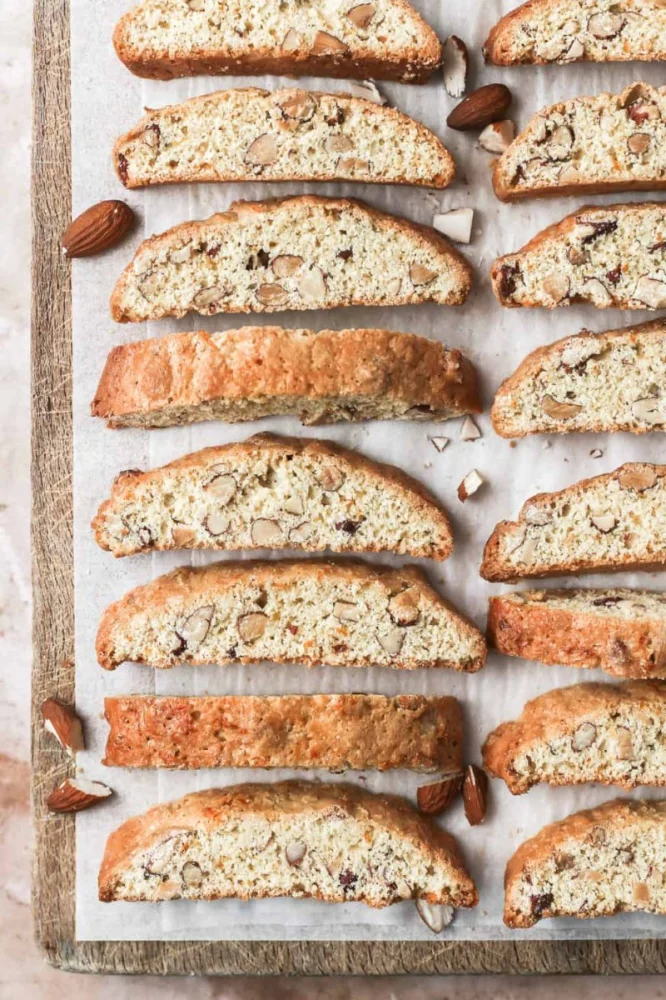
Mastering Crispy Homemade Biscotti with Bakery-Level Flavor and Texture
- origin-of-biscotti - Understanding traditional Italian roots and modern bakery adaptations
- ingredients-foundation - Selecting the right flour, nuts, and flavor base for structure
- double-bake-technique - Step-by-step breakdown of achieving signature crunch
- texture-problems - Fixing soft, crumbly, or overly hard biscotti issues
- flavor-variations - Chocolate, almond, citrus, and creative bakery-inspired twists
- storage-and-freshness - Keeping biscotti crisp for long-term enjoyment
Understanding Why Bakery-Style Biscotti Feels Different
When people talk about bakery-style biscotti, they are usually describing a very specific experience: a cookie that is dry in the best possible way, firm but not hard like stone, and deeply flavorful even without frosting or fillings. The difference doesn’t come from fancy equipment. It comes from technique, timing, and understanding how moisture behaves in dough.
In many American home kitchens, biscotti ends up too soft or overly dense. A small bakery in New York once shared a behind-the-scenes detail: their biggest challenge wasn’t flavor, it was consistency across batches. That same challenge is what home bakers face, and solving it is the key to The Best Way to Make Bakery-Style Biscotti at Home.
Building the Right Dough Foundation
The Role of Flour and Structure
Biscotti dough is not like cake batter or soft cookie dough. It is intentionally firm because it must survive two baking stages. Using all-purpose flour is standard, but the ratio of flour to fat determines whether your biscotti holds its shape or spreads too much.
A common mistake is adding too much butter for richness. While it improves flavor, it can destroy the signature crunch. Bakery professionals often reduce fat slightly to ensure structural integrity, especially when nuts or chocolate chunks are included.
Sweetness and Flavor Balance
Bakery-style biscotti doesn’t rely on extreme sweetness. Instead, sugar is balanced with toasted nuts, citrus zest, or cocoa depth. This balance is what makes each bite feel intentional rather than sugary.
One home baker from Chicago once shared that her first successful batch happened only after she reduced sugar by 20%. The result tasted “less like candy, more like something you’d get in a café with espresso.”
The Double-Bake Technique That Defines Biscotti
First Bake: Setting the Shape
The first bake is all about structure. The dough is shaped into logs and baked until just firm enough to slice. Timing matters here because underbaking leads to collapse, while overbaking makes slicing difficult.
Slicing Without Crumbling
This is where many home bakers struggle. The key is letting the log cool slightly but not completely. A serrated knife and gentle sawing motion prevent breakage. Bakery kitchens often use warm logs specifically to make clean cuts easier.
Second Bake: Achieving the Crunch
The second bake is what transforms soft slices into crisp biscotti. Each piece is baked on its side, allowing moisture to escape evenly. This step is what creates the long shelf life and signature crunch associated with authentic Italian-style cookies.
Skipping or rushing this stage is the main reason homemade biscotti feels “off” compared to bakery versions.
Flavor Variations That Feel Bakery-Inspired
Classic Almond Approach
Almond biscotti remains the most traditional version. Toasting the almonds before mixing enhances depth and prevents a flat flavor profile.
Chocolate-Dipped Finishes
Some bakery-style versions add a thin layer of dark chocolate after baking. This creates contrast between crisp cookie and smooth coating without making the biscotti soggy.
Citrus and Nut Combinations
Orange zest paired with pistachios is a popular upscale bakery combination. It brings brightness and aroma that cuts through the dense texture.
Real Kitchen Story: The “Too Soft Biscotti” Problem
A home baker in California once attempted biscotti for a holiday gift box. The first batch came out too soft, almost like a thick cookie bar. After adjusting baking time and reducing butter slightly, the second batch achieved the crisp texture she expected.
Her key takeaway was simple: biscotti is not forgiving, but it is predictable. Once you understand moisture control and bake timing, results become consistent.
How to Store Biscotti Like a Bakery Does
Preventing Moisture Absorption
Biscotti’s biggest enemy is humidity. Even a perfectly baked batch can soften if stored improperly. Airtight containers are essential, and adding a small food-safe desiccant packet (like bakeries use) can extend crispness.
Long-Term Freshness Strategy
Bakery professionals often store biscotti in layers separated by parchment paper. This prevents flavor transfer and maintains texture integrity.
If you plan to make regular batches at home, having proper storage tools can make a noticeable difference. Many home bakers find that upgrading their baking setup through curated ingredient and tool selections from Gaias Candy helps them maintain bakery-level consistency while experimenting with flavors.
Common Mistakes That Prevent Bakery-Level Results
Overmixing the Dough
Overmixing develops too much gluten, leading to overly hard biscotti. Gentle folding is enough to combine ingredients.
Incorrect Cooling Timing
Cooling too long before slicing leads to cracks and uneven edges. Timing is as important as ingredients.
Skipping the Second Bake Precision
Many home bakers reduce the second bake time to save effort, but this step is what defines the final texture.
Why This Method Works for Home Bakers
The Best Way to Make Bakery-Style Biscotti at Home is not about copying a single recipe. It is about understanding how professional bakeries control structure, moisture, and heat in stages. Once you understand these principles, you can adjust flavors freely without losing texture.
Think of biscotti as a controlled transformation rather than a simple bake. Each stage builds on the last, and skipping any step changes the outcome significantly.
Bringing Bakery Results Into Your Own Kitchen
Home baking becomes more satisfying when results start matching expectations. With biscotti, success comes from repetition and attention to detail rather than complexity. Once mastered, it becomes one of the most reliable homemade treats for gifting, pairing with coffee, or simply enjoying at home.
For those exploring more refined baking techniques, ingredient quality and consistency matter just as much as method. Many bakers continue experimenting and upgrading their pantry essentials through Gaias Candy, especially when aiming for bakery-level precision in homemade desserts.



 Nagoya Bakery4.0 (25 reviews)
 The Quantum Baker0.0 (0 reviews)
 Valerio's Tropical Bake Shop4.0 (43 reviews)
 Manny's Bakeshop & Restaurant4.0 (19 reviews)
 Nanding's Bakery4.0 (368 reviews)
 Aloha Sunrise Granola5.0 (5 reviews)
 Bakery Ingredient Label Questions: Allergens, Dates, and Portions
 Bakery Muffin Storage: Moisture, Filling, and Freshness
 Bakery Bread Ingredients: Flour, Seeds, and Allergens
 Bakery Pastry Freshness: Texture, Filling, and Storage
 Bakery Custom Cake Handoff: Design, Allergens, and Pickup
 Bread Freezing Plan: Slicing, Wrapping, and Thawing