
Understanding Different Types of Cakes: A Beginner’s Guide
- What are Sponge Cakes?
- Exploring Layered Cakes
- What Are Dense Cakes?
- Specialty Cakes: A Unique Twist
- How to Bake the Perfect Cake
What are Sponge Cakes?
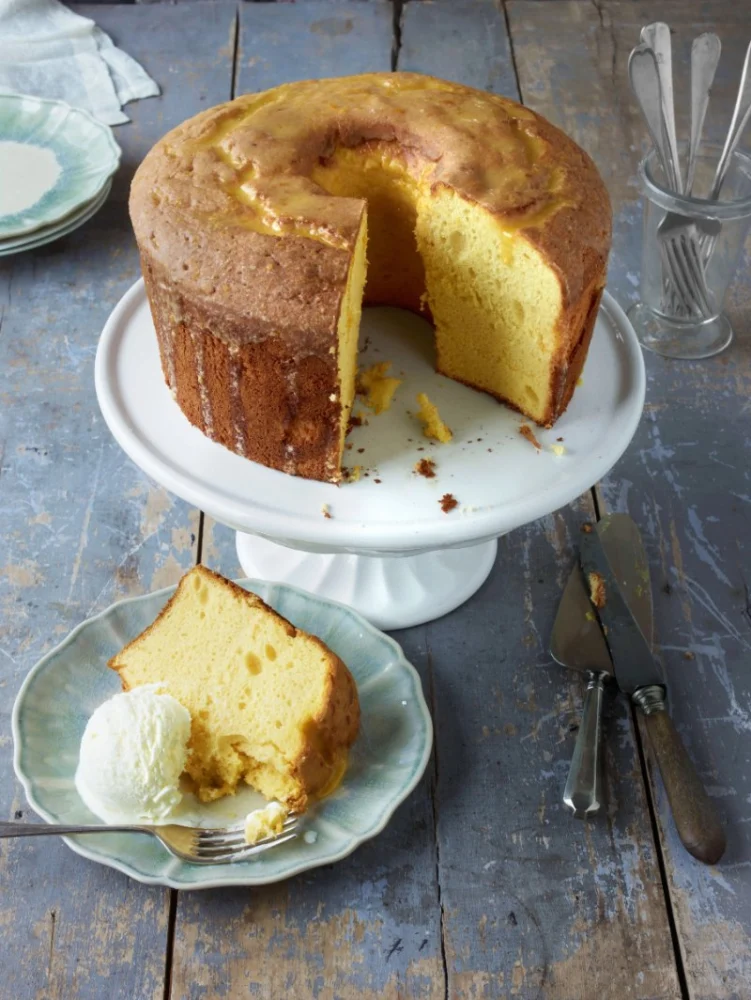
Sponge cakes are light, airy cakes that are often used as a base for layered cakes or for serving on their own. They are made using simple ingredients like flour, sugar, eggs, and a leavening agent to create a fluffy texture. A perfect sponge cake is not too dense, making it easy to pair with a variety of fillings, like whipped cream, jam, or fruit.

Julius Sturgis Pretzel Bakery / pretzel factory lititz pa
LititzLancaster CountyPennsylvania
219 E Main St, Lititz, PA 17543, USA
1. Key Characteristics of Sponge Cakes
Sponge cakes are known for their soft, airy texture. They rise without using baking powder or baking soda; instead, the air is incorporated into the batter through the beating of eggs. Popular examples of sponge cakes include the traditional Victoria sponge and the famous Angel food cake.
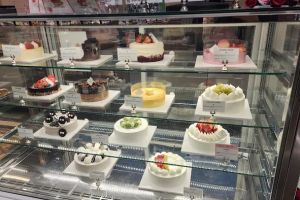
L’Ami Bakery & Cafe / bakery in h mart
48-18 Northern Blvd, Long Island City, NY 11101, USA
2. Popular Variations of Sponge Cakes
Different regions and cultures have their own versions of sponge cakes. For instance, in Italy, the Genoise cake is a variation that uses butter and is often soaked with syrup, while the Japanese "Castella" cake is known for its smooth, moist texture and is a popular treat in Japan.
Exploring Layered Cakes
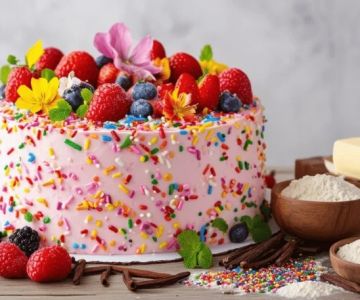
Layered cakes are another popular type of cake that can be both visually impressive and delicious. These cakes consist of multiple layers of sponge or other cake types, with frosting, fruit, or filling between each layer.
1. Common Layered Cakes
Some well-known examples of layered cakes include the classic chocolate layer cake, the decadent red velvet cake, and the fruit-filled opera cake. Each of these cakes typically consists of rich layers of cake alternating with frosting or other fillings.
2. How to Make a Layered Cake
To make a successful layered cake, it's important to bake each layer evenly and allow the layers to cool before stacking. The choice of frosting or filling also plays a crucial role in achieving the desired taste and texture.
What Are Dense Cakes?
Dense cakes, as the name suggests, are heavier and richer than lighter sponge cakes. These cakes often have a more substantial texture and are commonly served in smaller portions due to their richness.
1. Examples of Dense Cakes
Some popular dense cakes include pound cakes, fruitcakes, and cheesecakes. Each of these types of cakes uses different ingredients to achieve a dense, moist, and satisfying texture. For example, pound cakes use a large proportion of butter and sugar, while cheesecakes rely on cream cheese for their creamy consistency.
2. Why Dense Cakes Are Great for Special Occasions
Dense cakes are ideal for celebrations or occasions where you want a rich, indulgent dessert. They hold up well when decorated and are excellent for serving in slices, making them perfect for larger gatherings.
Specialty Cakes: A Unique Twist
Specialty cakes are unique cakes that feature unusual ingredients, flavors, or designs. These cakes often represent specific cultural traditions or creative ideas. From vegan cakes to flourless cakes, the possibilities are endless.
1. Flourless Cakes and Gluten-Free Options
Flourless cakes, such as the famous chocolate flourless cake, are rich, dense, and perfect for those who need a gluten-free option. Many gluten-free cakes use alternative flours like almond flour or rice flour, while still achieving a light and flavorful result.
2. Vegan Cakes
Vegan cakes are another example of specialty cakes that cater to dietary restrictions. These cakes do not use any animal products and often substitute ingredients like eggs and dairy with plant-based alternatives, such as flax seeds, coconut milk, or almond butter.
How to Bake the Perfect Cake
Baking a cake from scratch can be a fun and rewarding experience. To start, ensure you have all your ingredients and tools ready before you begin. Follow the recipe carefully, especially when it comes to mixing and baking times, to achieve the perfect texture and flavor.
1. Tips for Baking Success
To ensure your cake turns out perfectly, consider these helpful tips:
- Use fresh ingredients for the best results.
- Make sure your oven is preheated and properly calibrated.
- Don’t overmix your batter, as this can lead to a dense texture.
2. Troubleshooting Common Cake Problems
If your cake comes out too dry or sinks in the middle, don’t worry—baking is a learning process! Common issues include using the wrong pan size, overmixing the batter, or not allowing the cake to cool properly before frosting.
Ready to try making your own delicious cake at home? Visit Our Cake Store to find the best tools and ingredients to bake your favorite cakes! You’ll also discover more recipes and expert tips for creating perfect cakes every time.

 Nagoya Bakery4.0 (25 reviews)
 The Quantum Baker0.0 (0 reviews)
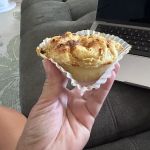 Valerio's Tropical Bake Shop4.0 (43 reviews)
 Manny's Bakeshop & Restaurant4.0 (19 reviews)
 Nanding's Bakery4.0 (368 reviews)
 Aloha Sunrise Granola5.0 (5 reviews)
 Pastry Gift Box Check: Variety, Allergens, and Transport
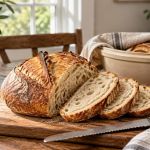 Sourdough Loaf Pickup: Bake Time, Slicing, and Storage
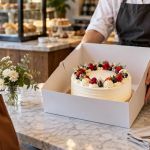 Bakery Celebration Cake Pickup: Size, Travel, and Timing
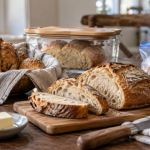 Bakery Bread Storage: Crust, Moisture, and Freezing Guide
 Bakery Reservation Notes: Time, Party, Access, and Contact
 Bakery Menu Portion Chec: A Heavenly Delights Bakery Reader Guide