
Bakery Bread Storage: Balance Crust, Crumb, and Freshness
On this page
Quick answer
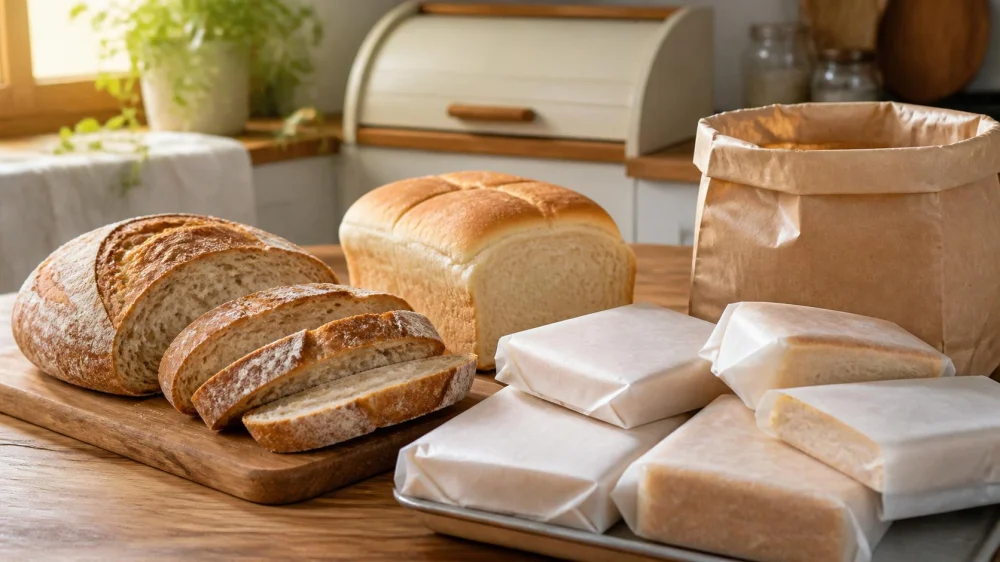
Store a plain bakery loaf according to how quickly you will eat it and which texture matters most. For short storage, keep bread at room temperature in breathable paper when preserving a crisp crust is the priority, or in a more closed bag when a soft crumb matters more. For longer storage, slice or portion the fully cooled loaf, wrap it well, and freeze it. Refrigeration often makes ordinary bread stale faster, although perishable fillings or toppings may require cold storage.
Ask the bakery for product-specific instructions. A plain sourdough boule, enriched sandwich loaf, cheese bread, and custard-filled item do not have identical storage needs.

Julius Sturgis Pretzel Bakery / pretzel factory lititz pa
LititzLancaster CountyPennsylvania
219 E Main St, Lititz, PA 17543, USA
Identify the loaf
Before choosing a storage method, note the crust, crumb, ingredients, and intended use. Lean crusty bread tends to trade moisture with its surroundings quickly. Soft enriched loaves usually benefit from more protection against drying.
- Check for cream, custard, meat, soft cheese, or other perishable additions.
- Ask whether the loaf was sold warm and must cool before wrapping.
- Decide how many slices or portions you will use at one time.
- Keep any printed bakery storage instructions with the product.
Store for the next few days
Let warm bread cool completely before closing it in a bag; trapped condensation can soften the crust and encourage spoilage. Keep it in a clean, dry place away from direct sun, heat, and moisture. A bread box can moderate airflow, while a paper bag favors a drier crust and a sealed bag favors a softer exterior.
After cutting a crusty loaf, some people place the cut face against a clean board for brief storage. Protect it from pests, contamination, and household humidity. Do not rely on appearance alone when the bread contains perishable ingredients.

L’Ami Bakery & Cafe / bakery in h mart
48-18 Northern Blvd, Long Island City, NY 11101, USA
Freeze for longer storage
- Cool the loaf completely.
- Slice or divide it into portions you can use at once.
- Wrap tightly with freezer-suitable material and remove excess air.
- Add the product name and freezing date.
- Freeze promptly and keep it away from strongly scented foods.
Individual slices can often go directly to a toaster or warm oven. Larger portions thaw more evenly when unwrapped or loosely protected according to the bakery's guidance, then refreshed shortly before serving.
Refresh texture before serving
A brief warm-up can improve a stale-feeling crust and crumb, but it cannot reverse spoilage. Use moderate heat and check frequently so the exterior does not burn before the center warms. Let the loaf rest briefly before cutting.
Microwaving can soften bread quickly but the texture may become tough as it cools. Warm only the portion you plan to eat.
Know when to discard
Discard bread with visible mold, an unusual odor, unexpected moisture, pest contact, or other signs of spoilage. Do not cut mold away from a soft or porous loaf and eat the remainder; contamination can extend beyond the visible spot. When a filled product has been held outside its required temperature range, follow current food-safety guidance and bakery instructions.
Important limitations
This is general storage guidance for U.S. consumers. Climate, recipe, packaging, preservatives, fillings, and bakery processes change safe and useful storage time. The bakery's current instructions and official food-safety guidance take priority. Quality loss and food safety are related but not identical.
Evidence notes
Bread storage is a moisture-management problem: open storage promotes drying, sealed storage retains softness but softens crust, cold refrigeration can accelerate starch changes in many breads, and freezing slows quality loss. Perishable ingredients add separate temperature-control requirements.
FAQ
Should bakery bread go in the refrigerator?
Usually not for quality alone, but breads with perishable fillings or toppings may require refrigeration. Ask the bakery.
Can I freeze a whole loaf?
Yes, but portions are easier to thaw and reduce repeated handling.
Should I wrap bread while it is warm?
No. Allow it to cool unless the bakery provides different product-specific instructions.
Is a bread box necessary?
No. It is one option for balancing airflow and protection.
Can stale bread be refreshed?
Sometimes for texture, provided it shows no spoilage and has been stored safely.
Next steps
Ask how the bakery recommends storing your exact loaf. Keep only the near-term portion at room temperature, freeze the rest in usable portions, label it, and inspect each portion before serving.






 Nagoya Bakery4.0 (25 reviews)
 The Quantum Baker0.0 (0 reviews)
 Valerio's Tropical Bake Shop4.0 (43 reviews)
 Manny's Bakeshop & Restaurant4.0 (19 reviews)
 Nanding's Bakery4.0 (368 reviews)
 Aloha Sunrise Granola5.0 (5 reviews)
 Pastry Gift Box Check: Variety, Allergens, and Transport
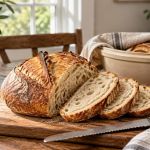 Sourdough Loaf Pickup: Bake Time, Slicing, and Storage
 Bakery Celebration Cake Pickup: Size, Travel, and Timing
 Bakery Bread Storage: Crust, Moisture, and Freezing Guide
 Bakery Reservation Notes: Time, Party, Access, and Contact
 Bakery Menu Portion Chec: A Heavenly Delights Bakery Reader Guide