
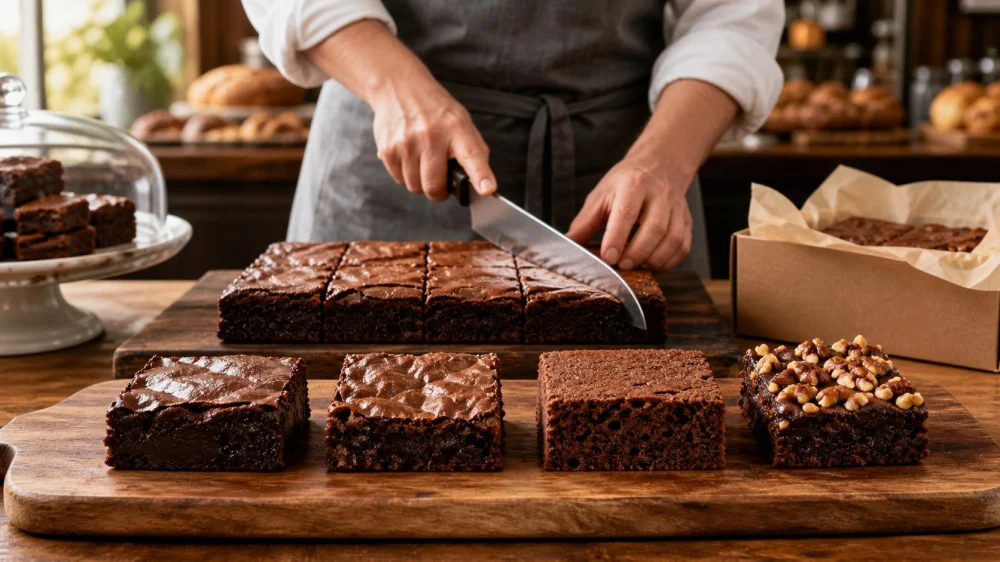
Bakery Brownie Guide: Fudgy, Cakey, Edges, and Storage
On this page
Quick answer
Choose a bakery brownie by texture, chocolate intensity, piece location, mix-ins, frosting, and portion size. Fudgy brownies are dense and moist; cakey brownies are lighter; chewy styles sit between them. Ask how the bakery stores the exact recipe, especially when it contains cream, cheesecake, custard, or fresh fruit. Keep pieces sealed against drying and warm only a serving at a time.
A glossy top or soft center does not by itself indicate underbaking. The bakery’s recipe and handling instructions are the relevant guide.

Julius Sturgis Pretzel Bakery / pretzel factory lititz pa
LititzLancaster CountyPennsylvania
219 E Main St, Lititz, PA 17543, USA
Fudgy, chewy, or cakey
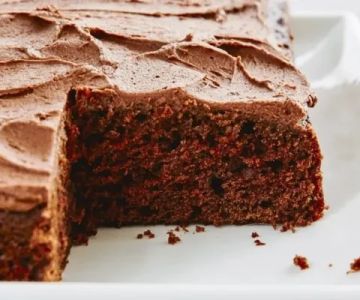
Fudgy brownies emphasize dense chocolate richness and a moist, compact crumb. Chewy brownies offer more resistance at the edges and through the center. Cakey brownies have a lighter, more open structure and may feel less intense per bite.
Ask staff to describe the texture rather than relying on the name. Chocolate percentage, cocoa, sugar, fat, flour, eggs, baking time, pan size, and cooling all influence the result, and bakeries use the same words differently.
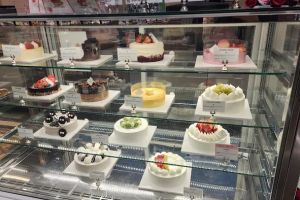
L’Ami Bakery & Cafe / bakery in h mart
48-18 Northern Blvd, Long Island City, NY 11101, USA
Center, edge, and corner pieces
- Center: usually the softest and most uniform.
- Edge: more set with a stronger chew or crust.
- Corner: the highest ratio of baked edge to soft interior.
- Slab cut: may be more consistent when trimmed before portioning.
If the bakery sells mixed pieces, state your preference without assuming every box can be customized. Frosting, inclusions, and pan style may make location differences less pronounced.
Mix-ins and toppings
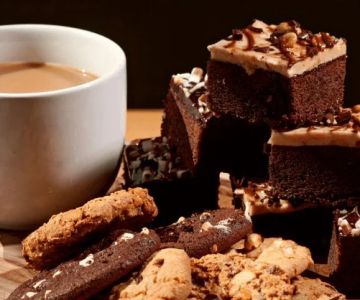
Chocolate chips deepen sweetness and create soft pockets; nuts add crunch and bitterness; caramel adds chew and salt; cookies add texture; cheesecake-style swirls bring tang and may change refrigeration needs. Frosting increases richness and can make stacking difficult.
For allergens, ask about the entire recipe and shared equipment. Brownies commonly include milk, egg, wheat, soy, peanuts, or tree nuts, and a plain-looking piece can still contact other varieties during baking, cutting, or display.
Order and portion planning
- Confirm piece dimensions or weight rather than relying on “regular” or “large.”
- Decide whether brownies are the only dessert or one part of a spread.
- Choose smaller pieces for rich, filled, or heavily frosted varieties.
- Ask whether the bakery can cut a tray and whether cutting changes price.
- Request a flavor and allergen key for mixed boxes.
- Plan clean utensils and separate plates at the event.
For a dessert table, put out part of the order and replenish it. This protects texture and helps keep allergy-specific items separate.
Storage and freshness
Plain brownies often keep best tightly covered at a cool room temperature for the period the bakery recommends. Refrigeration may extend safe storage for perishable toppings or fillings but can firm the crumb and mute flavor. Freeze only if the bakery says the variety handles it well.
Keep pieces in an airtight container, use parchment between sticky layers, and avoid direct sun, heat, humidity, and strong food odours. Label the storage date and recipe type.
Warming and serving
Many brownies taste more aromatic when briefly warmed, but fillings, frosting, and packaging change what is safe. Remove all wrappers, foil, decorations, and non-microwave-safe containers. Follow bakery guidance, heat in short intervals, and check the center before eating.
Warm only what will be served. Repeated warming and cooling damages texture and can complicate safe handling. Pair a rich brownie with plain coffee, milk, fruit, or a modest scoop of ice cream rather than adding every available sauce.
Frequently asked questions
Does a fudgy brownie contain raw batter?
Not necessarily. A properly developed recipe can remain dense and moist after safe baking. Ask the bakery about its product.
Should brownies go in the refrigerator?
It depends on fillings and toppings. Follow the bakery’s instructions for the exact variety.
Can I freeze frosted brownies?
Some frostings freeze well and others separate or become sticky. Ask before freezing.
How do I cut a bakery slab cleanly?
Use the bakery’s guidance; a clean sharp knife and wiping between cuts often help once the slab is at the recommended temperature.
Are flourless brownies gluten-free?
Not automatically. Other ingredients and shared equipment can contain or contact gluten.
Sources and evidence notes
This guide uses common bakery texture descriptions, moisture-control practices, and perishable-dessert precautions. Exact shelf life, refrigeration, freezing, reheating, allergens, and serving yields depend on the bakery’s formula and local food-safety requirements.
Follow the bakery’s current written instructions and ingredient information for the purchased product.
Conclusion and next steps
Decide first whether you want dense, chewy, or cakey texture, then select center or edge pieces and only the mix-ins that add value. Confirm size, allergens, storage, and warming instructions at purchase. Keep the box sealed, label special varieties, and warm individual portions gently so the last brownie remains as appealing as the first.


 Nagoya Bakery4.0 (25 reviews)
 The Quantum Baker0.0 (0 reviews)
 Valerio's Tropical Bake Shop4.0 (43 reviews)
 Manny's Bakeshop & Restaurant4.0 (19 reviews)
 Nanding's Bakery4.0 (368 reviews)
 Aloha Sunrise Granola5.0 (5 reviews)
 Bakery Celebration Cake Pickup: Size, Travel, and Timing
 Bakery Bread Storage: Crust, Moisture, and Freezing Guide
 Bakery Reservation Notes: Time, Party, Access, and Contact
 Bakery Menu Portion Chec: A Heavenly Delights Bakery Reader Guide
 Bakery Service Charge Check: Bill, Tips, and Group Split
 Bakery Texture Guide: A Practical US Checklist