
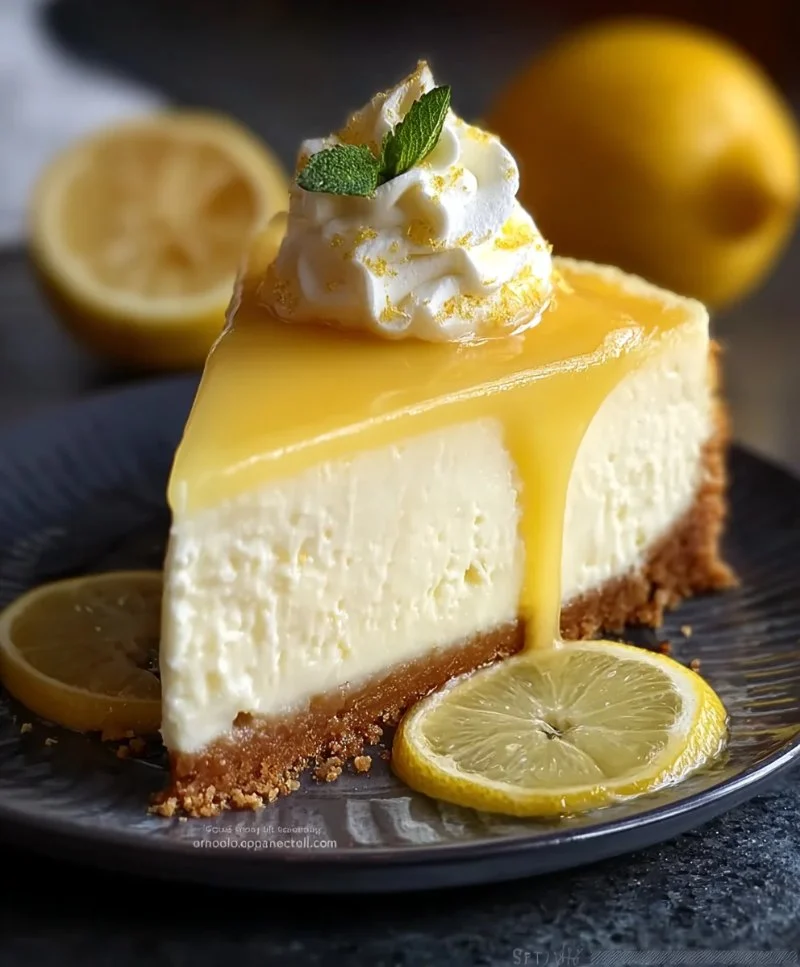
How to Make a Bright, Bakery-Style Lemon Cheesecake with Real Zest
- crust-preparation-basics-how-to-build-a-solid-base-for-cheesecake
- cream-cheese-filling-techniques-achieving-silky-bakery-texture
- lemon-zest-balance-how-to-get-the-perfect-citrus-flavor
- baking-method-water-bath-and-oven-control-for-crack-free-cake
- cooling-and-finishing-touch-how-to-reach-professional-quality
Why Bakery-Style Lemon Cheesecake Hits Different
There’s something about a bakery-style lemon cheesecake that feels instantly more refined than a regular homemade dessert. It’s not just sweetness—it’s the balance of richness and citrus brightness that makes each bite feel intentional. When done right, the texture is smooth enough to melt on the tongue, while the lemon flavor cuts through the creaminess with a refreshing lift.
Many home bakers struggle with one of two problems: the cheesecake turns out too dense, or the lemon flavor disappears into the richness. The goal of this recipe approach is to fix both issues so you end up with something that feels like it came straight from a high-end bakery window.
Crust Preparation: Building the Foundation of Flavor
Choosing the Right Base
A great lemon cheesecake starts with a crust that doesn’t compete with the filling. Classic graham crackers are the go-to choice because they bring a mild sweetness and subtle crunch. Some bakers prefer digestive biscuits for a slightly deeper flavor profile, especially if they want a more European-style dessert feel.
Texture and Binding Balance
The key is achieving a texture that holds together when sliced but doesn’t turn hard. Melted butter should coat every crumb evenly. A common mistake is over-pressing the mixture into the pan, which can make the crust dense instead of delicate. A gentle, even press using the bottom of a glass usually works best.
Baking the Crust for Stability
A short pre-bake helps lock the crust in place. This step prevents sogginess once the filling is added. Even five to ten minutes in the oven can make a noticeable difference in the final structure.
Creating the Creamy Cheesecake Filling
Softening the Cream Cheese Properly
One of the most overlooked steps in cheesecake making is temperature control. Cream cheese must be fully softened before mixing. Cold cream cheese creates lumps that never fully dissolve, no matter how long you mix.
Achieving a Smooth, Bakery-Level Texture
To get that signature silky consistency, mix the ingredients slowly and avoid whipping too much air into the batter. Overmixing can lead to cracks during baking. A steady, low-speed blend ensures the batter stays dense yet creamy.
At this stage, many professional bakers emphasize patience. It’s not about speed—it’s about consistency.
The Role of Lemon: Getting the Zesty Flavor Right
Fresh Zest vs. Bottled Juice
Fresh lemon zest is what gives the cheesecake its aromatic brightness. Bottled juice alone won’t deliver the same impact. The oils in the zest release a natural fragrance that transforms the dessert from plain to vibrant.
Balancing Acidity and Sweetness
Too much lemon can overpower the dessert, while too little makes it feel flat. The goal is harmony: the creaminess of the cheese should soften the acidity, while the lemon should cut through the richness just enough to keep every bite refreshing.
This balance is what defines a true bakery-style lemon cheesecake with zesty flavor.
Baking Technique: Avoiding Cracks and Dry Texture
Water Bath Method Explained
A water bath is one of the most reliable techniques for even baking. It creates a humid environment inside the oven, preventing the cheesecake from drying out. The gentle heat helps the structure set slowly, reducing the risk of cracks on the surface.
Temperature Control Matters
Low and steady heat is essential. Rapid temperature changes are the main cause of sinking or cracking. Many bakers make the mistake of opening the oven too early, which disrupts the baking process and affects texture.
Real Kitchen Example
A home baker in Chicago once shared how her early cheesecake attempts always cracked in the middle. After switching to a water bath and lowering the oven temperature slightly, her results improved dramatically. The texture became smoother, and the surface stayed perfectly level.
Cooling and Resting for Perfect Texture
Slow Cooling Strategy
Once the cheesecake is baked, it should not be rushed into the refrigerator. Gradual cooling at room temperature allows the structure to stabilize. Sudden temperature changes can cause shrinkage or cracking.
Overnight Resting Importance
Refrigerating the cheesecake overnight enhances both texture and flavor. The lemon notes become more integrated, and the creaminess becomes more pronounced. This resting stage is where the dessert truly reaches bakery-level quality.
Serving and Presentation for a Professional Finish
Clean Slicing Technique
A warm knife wiped clean between cuts ensures smooth, sharp slices. This small detail dramatically improves presentation and gives a polished bakery look.
Optional Finishing Touches
Some bakers add a light dusting of powdered sugar or thin lemon slices for decoration. Others prefer a minimalist look that highlights the smooth surface of the cheesecake itself.
Why This Recipe Works for Home Bakers
The reason this approach stands out is because it simplifies professional baking techniques into manageable home steps. Instead of relying on complex equipment, it focuses on temperature control, ingredient balance, and proper mixing technique.
For anyone trying to recreate bakery-style lemon cheesecake with a zesty flavor at home, the difference comes down to patience and precision rather than complicated tools.
If you enjoy exploring dessert recipes like this and want access to curated baking tools, ingredient guides, and dessert inspiration, you can explore more through Brunch & Snack Chat, where seasonal baking ideas and kitchen insights are regularly shared for home cooks who want consistent, bakery-level results.
Final Baking Insight for Better Results
The most successful cheesecakes are not rushed. They are layered with intention—from crust to filling to cooling. When each step is treated with care, the result is a dessert that feels rich, bright, and perfectly balanced.
Once you master this method, the bakery-style lemon cheesecake becomes less of a challenge and more of a signature recipe you can rely on for gatherings, celebrations, or simply a personal treat.






 Nagoya Bakery4.0 (25 reviews)
 The Quantum Baker0.0 (0 reviews)
 Valerio's Tropical Bake Shop4.0 (43 reviews)
 Manny's Bakeshop & Restaurant4.0 (19 reviews)
 Nanding's Bakery4.0 (368 reviews)
 Aloha Sunrise Granola5.0 (5 reviews)
 Pastry Gift Box Check: Variety, Allergens, and Transport
 Sourdough Loaf Pickup: Bake Time, Slicing, and Storage
 Bakery Celebration Cake Pickup: Size, Travel, and Timing
 Bakery Bread Storage: Crust, Moisture, and Freezing Guide
 Bakery Reservation Notes: Time, Party, Access, and Contact
 Bakery Menu Portion Chec: A Heavenly Delights Bakery Reader Guide