

The Ultimate Guide to Bakery-Style Scones with a Perfect Golden Crust
- understanding-the-baking-science-behind-bakery-style-scones
- choosing-ingredients-for-perfect-golden-crust-scones
- step-by-step-technique-for-flaky-homemade-scones
- real-kitchen-story-common-mistakes-and-how-to-fix-them
- advanced-baking-secrets-for-professional-level-results
Understanding the Baking Science Behind Bakery-Style Scones
If you have ever bitten into a bakery-style scone with that slightly crisp golden crust and a soft, almost cloud-like interior, you already know it feels very different from the dry, dense versions many home bakers struggle with. The truth is, achieving the perfect texture is not about complicated equipment—it’s about understanding a few essential baking principles.
The key to making bakery-style scones lies in controlling fat temperature, flour hydration, and mixing technique. When butter stays cold and creates small pockets in the dough, it releases steam during baking, forming those delicate flaky layers. That is what creates the signature golden crust in any The Ultimate Guide to Making Bakery-Style Scones with a Perfectly Golden Crust approach.
Many professional bakers emphasize that scone dough should never be overworked. Once gluten develops too much, the result becomes tough instead of tender. This is why bakeries often handle dough quickly and gently, prioritizing texture over perfection in shape.

Julius Sturgis Pretzel Bakery / pretzel factory lititz pa
LititzLancaster CountyPennsylvania
219 E Main St, Lititz, PA 17543, USA
Choosing Ingredients for Perfect Golden Crust Scones
The difference between an average scone and a bakery-quality one often starts at the ingredient level. Flour selection matters more than most beginners realize. A lower-protein all-purpose flour produces a softer crumb, while a higher-protein flour creates more structure but risks density if not balanced correctly.
Butter is another crucial element. European-style butter, with higher fat content, is often preferred because it enhances flavor and helps create that rich golden crust. Cold butter is essential—if it softens too early, the layering effect is lost.
Milk or cream also plays a subtle but important role. Cream adds richness and helps browning, while milk keeps the texture lighter. Some professional bakers even combine both to achieve a balanced result.
A small but impactful addition is a touch of sugar. Even savory scones benefit from it, as it helps caramelization during baking, which enhances that golden exterior.

L’Ami Bakery & Cafe / bakery in h mart
48-18 Northern Blvd, Long Island City, NY 11101, USA
Step-by-Step Technique for Flaky Homemade Scones
The technique used in The Ultimate Guide to Making Bakery-Style Scones with a Perfectly Golden Crust is what separates amateur results from bakery-quality pastries. It begins with proper mixing. Dry ingredients should be combined first, ensuring even distribution of baking powder and salt.
Next comes the butter incorporation stage. Instead of fully melting or blending it in, the goal is to cut cold butter into pea-sized pieces within the flour. This creates pockets that later expand in the oven.
When adding liquid, it should be done gradually. The dough should just come together—nothing more. Overmixing is the most common mistake home bakers make, often leading to dense, tough scones.
Shaping also matters. Instead of rolling aggressively, gently pat the dough into a thick disc and cut cleanly with a sharp cutter. Twisting the cutter can seal edges and prevent proper rising.
Before baking, chilling the shaped dough for 10–15 minutes helps maintain structure, ensuring a better rise and more defined golden crust.
Real Kitchen Story: Common Mistakes and How to Fix Them
A home baker once shared a frustrating experience: every batch of scones came out flat and pale, despite following recipes closely. After reviewing her process, the issue became clear—her butter was too warm, and she was overmixing the dough.
After switching to colder butter and reducing mixing time, the transformation was immediate. The next batch rose beautifully, forming a crisp golden crust and soft interior. This is a common story among beginners, and it highlights how small adjustments can make a huge difference.
Another frequent issue is uneven baking. Some bakers overcrowd trays, which traps steam and prevents proper browning. Giving each scone enough space ensures consistent heat circulation and better crust development.
These small corrections often turn disappointing results into bakery-level success.
Advanced Baking Secrets for Professional-Level Results
Once the basics are mastered, advanced techniques can elevate scones even further. One professional trick is brushing the tops with cream before baking. This enhances browning and creates a glossy, bakery-style finish.
Another method involves using a combination of baking temperatures—starting slightly higher to boost rise, then lowering for even baking. This technique is commonly used in professional kitchens to achieve consistent results.
Flavor infusion is also an area where creativity can shine. Adding citrus zest, dried fruits, or even mild cheese can transform traditional scones into signature bakery offerings.
Baking is as much about intuition as precision. Over time, bakers learn to “feel” dough consistency, which is what truly separates home baking from professional results.
For readers looking to explore more advanced techniques, ingredient tools, and curated baking essentials, you can explore collections and guides available through curated baking resources like The Ultimate Guide to Making Bakery-Style Scones with a Perfectly Golden Crust style inspirations and tools. These resources can help refine your baking setup and elevate everyday recipes into bakery-quality creations.
If you’re ready to take your baking further, now is the perfect moment to explore high-quality baking tools and ingredients that can make a noticeable difference in texture and flavor. Discover more ideas, recipes, and curated baking essentials to start creating scones that truly look and taste like they came straight from a professional bakery.

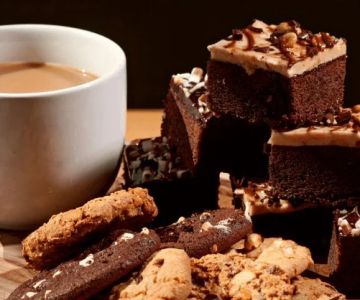
 Nagoya Bakery4.0 (25 reviews)
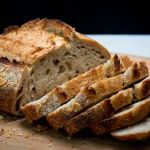 The Quantum Baker0.0 (0 reviews)
 Valerio's Tropical Bake Shop4.0 (43 reviews)
 Manny's Bakeshop & Restaurant4.0 (19 reviews)
 Nanding's Bakery4.0 (368 reviews)
 Aloha Sunrise Granola5.0 (5 reviews)
 Bakery Reservation Notes: Time, Party, Access, and Contact
 Bakery Menu Portion Chec: A Heavenly Delights Bakery Reader Guide
 Bakery Service Charge Check: Bill, Tips, and Group Split
 Bakery Texture Guide: A Practical US Checklist
 Bakery Cake Quote: Size, Design, Pickup, and Allergen Notes
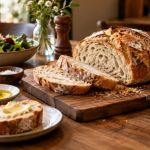 Bakery Bread Crumb Check: Freshness, Cutting, and Serving