
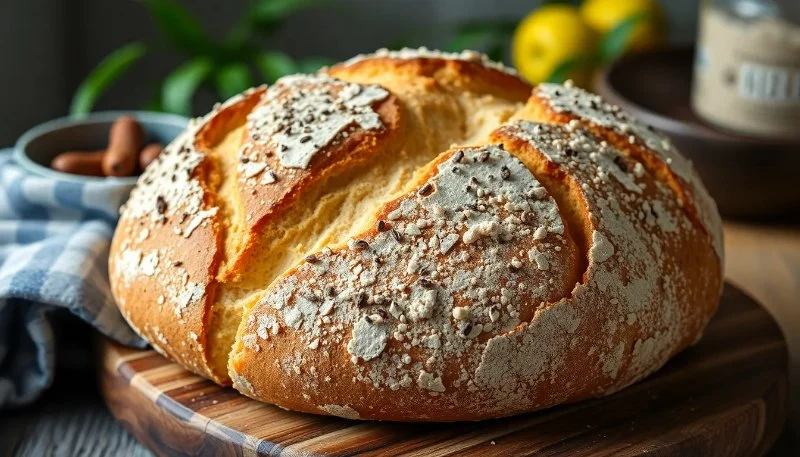
Embarking on Your Bread Baking Journey: A Beginner's Guide
- Why Baking Bread is a Rewarding Experience
- Getting Started with Bread Baking
- Essential Ingredients for Baking Bread
- Simple Bread Recipes for Beginners
- Tips for Successful Bread Baking
Why Baking Bread is a Rewarding Experience
Baking your own bread is an incredibly satisfying experience. Not only does it fill your kitchen with the irresistible aroma of freshly baked goods, but it also gives you complete control over the ingredients, flavor, and texture. Homemade bread can be customized to suit your taste, and the sense of accomplishment when you pull that golden, crusty loaf out of the oven is unbeatable.
For many beginners, bread baking may seem like a daunting task, but with the right guidance, anyone can master it. The process of kneading dough, watching it rise, and finally baking it into a perfect loaf is both therapeutic and rewarding. Plus, there’s nothing quite like enjoying warm, fresh bread made with your own hands.

Julius Sturgis Pretzel Bakery / pretzel factory lititz pa
LititzLancaster CountyPennsylvania
219 E Main St, Lititz, PA 17543, USA
Getting Started with Bread Baking
If you're new to bread baking, don’t worry! You don’t need professional equipment or years of experience to make delicious bread. Here are some basic steps to help you get started:

L’Ami Bakery & Cafe / bakery in h mart
48-18 Northern Blvd, Long Island City, NY 11101, USA
1. Choose the Right Bread Recipe
As a beginner, it’s best to start with an easy recipe that doesn’t require too many complicated techniques or ingredients. Look for simple recipes like no-knead bread or basic white bread. These recipes usually have fewer steps and allow you to get comfortable with the process before moving on to more advanced types of bread.
2. Gather Your Tools
Before you begin baking, make sure you have the essential tools, including a mixing bowl, measuring cups and spoons, a baking sheet or loaf pan, and a kitchen towel. You don’t need specialized equipment, but a dough scraper and a stand mixer with a dough hook can be helpful as you advance in your baking skills.
3. Don’t Rush the Process
One of the most important things to remember when baking bread is patience. The dough needs time to rise, and rushing the process can result in dense or poorly risen bread. Allow the dough to rest and rise fully before baking, and you’ll be rewarded with a light, airy loaf.
Essential Ingredients for Baking Bread
The ingredients you use in bread baking are simple, but each one plays an important role in the final outcome. Here are the key ingredients you’ll need:
1. Flour
Flour is the base of your dough and provides structure. All-purpose flour works well for most bread recipes, but you can experiment with bread flour, which has a higher protein content and helps create a chewier texture. For whole grain breads, try using whole wheat or rye flour.
2. Yeast
Yeast is what makes the dough rise by fermenting the sugars in the flour. There are two main types of yeast used in bread baking: active dry yeast and instant yeast. Both work well, but instant yeast doesn’t need to be dissolved in water, making it easier to use for beginners.
3. Water
Water activates the yeast and helps form the dough. The temperature of the water is important; it should be warm, not too hot, to encourage the yeast to grow. Too hot of water can kill the yeast, while cold water will slow down the process.
4. Salt
Salt is essential for flavor and for controlling the yeast’s activity. Too much salt can inhibit the yeast, while too little can result in bland bread. Most recipes call for a small amount of salt, which is perfect for balancing the flavor of the dough.
Simple Bread Recipes for Beginners
If you're ready to start baking, here are a couple of simple bread recipes that are perfect for beginners:
1. No-Knead Bread
This recipe is ideal for beginners, as it requires minimal effort and no kneading. Simply mix the ingredients together, let the dough rise overnight, and bake it the next day. The result is a beautifully rustic loaf with a crispy crust and soft interior.
2. Classic White Bread
This classic bread recipe requires a little more attention, but it’s still beginner-friendly. The dough needs to be kneaded by hand or with a stand mixer, and then it rises for an hour before baking. You’ll end up with a soft, fluffy loaf that’s perfect for sandwiches or toast.
Tips for Successful Bread Baking
Bread baking can be a bit tricky at first, but with practice and a few key tips, you’ll become more confident in the kitchen. Here are some essential tips to help you succeed:
1. Measure Ingredients Accurately
Accurate measurements are critical in bread baking, as too much or too little of an ingredient can affect the texture and rise of your dough. Use a kitchen scale for precise measurements, especially for flour, which can be packed into a measuring cup and lead to inconsistent results.
2. Use the Right Rising Time
Don’t rush the rise! Allow your dough to rise for the recommended amount of time in a warm, draft-free environment. If your kitchen is cold, try placing the dough near a warm oven or using a proofing box to ensure the dough rises properly.
3. Get the Right Oven Temperature
Make sure your oven is preheated to the right temperature before baking your bread. A hot oven helps the dough rise quickly, creating the desired airy texture. Investing in an oven thermometer can help ensure your oven is the right temperature.
If you're ready to take your bread-baking skills to the next level, explore more recipes and products at SkinCare Experts. Whether you’re looking for quality ingredients or helpful tools, you’ll find everything you need to perfect your craft.






 Nagoya Bakery4.0 (25 reviews)
 The Quantum Baker0.0 (0 reviews)
 Valerio's Tropical Bake Shop4.0 (43 reviews)
 Manny's Bakeshop & Restaurant4.0 (19 reviews)
 Nanding's Bakery4.0 (368 reviews)
 Aloha Sunrise Granola5.0 (5 reviews)
 Bakery Service Charge Check: Bill, Tips, and Group Split
 Bakery Texture Guide: A Practical US Checklist
 Bakery Cake Quote: Size, Design, Pickup, and Allergen Notes
 Bakery Bread Crumb Check: Freshness, Cutting, and Serving
 Bakery Cupcake Pickup: Count, Box, and Safe Transport
 Bakery Whole-Grain Bread: Ingredients, Texture, and Freshness