
Mastering the Art of Home Baking: A Beginner’s Journey from Dough to Delicious
- -Getting-Started-With-Baking-#Getting-Started-With-Baking
- -Essential-Baking-Tools-You-Need-#Essential-Baking-Tools-You-Need
- -The-Basics-of-Baking-Dough-#The-Basics-of-Baking-Dough
- -Mastering-Common-Baking-Techniques-#Mastering-Common-Baking-Techniques
- -Delicious-Baking-Recipes-to-Try-#Delicious-Baking-Recipes-to-Try
- -Troubleshooting-Common-Baking-Issues-#Troubleshooting-Common-Baking-Issues
Getting Started with Baking
1. Baking at home can be both a rewarding and delicious experience. Whether you’re making your first batch of cookies or tackling a more complex cake recipe, the key to success is understanding the basics. Learning how to bake is not just about following recipes; it’s about knowing the techniques that make each step come together perfectly. This beginner’s guide will walk you through everything from the dough to the finished product, giving you the confidence to bake like a pro at home.

Julius Sturgis Pretzel Bakery / pretzel factory lititz pa
LititzLancaster CountyPennsylvania
219 E Main St, Lititz, PA 17543, USA
1.1 The thrill of baking at home
There’s something magical about turning simple ingredients like flour, sugar, and eggs into something scrumptious. Baking from home offers the freedom to experiment, personalize your recipes, and create treats for your family and friends. As you gain experience, you’ll learn to adapt recipes to your preferences, all while honing your baking skills.

L’Ami Bakery & Cafe / bakery in h mart
48-18 Northern Blvd, Long Island City, NY 11101, USA
1.1.1 Why start baking?
Baking offers both creative and practical benefits. It’s a fun and hands-on way to spend time in the kitchen, and it often leads to healthier, homemade alternatives to store-bought goods. Plus, there’s nothing quite like the smell of fresh-baked bread or cookies filling your home.
Essential Baking Tools You Need
2. To start baking at home, you’ll need some basic tools to help you succeed. While you don’t need a professional kitchen setup, certain tools can make the process much easier and more enjoyable.
2.1 Must-have baking equipment
Some essential tools every beginner baker should have include a mixing bowl, measuring cups and spoons, a rolling pin, baking sheets, and parchment paper. These basic tools will cover most baking recipes, from cookies to pies to cakes.
2.1.1 Investing in quality tools
While basic tools will get the job done, investing in higher-quality equipment can make a significant difference. Consider upgrading to a stand mixer, a good set of baking pans, or a thermometer for more precise baking results.
2.2 Kitchen gadgets that can help
If you’re planning to bake more regularly, you might also consider gadgets like a food processor, silicone spatulas, or a cooling rack to streamline your process and improve results.
2.2.1 Tools that save time
Some tools, like a food processor, can save you time on prep work, while items like a cake leveler can help you achieve professional-looking cakes. As you bake more often, you’ll discover which tools suit your style and needs.
The Basics of Baking Dough
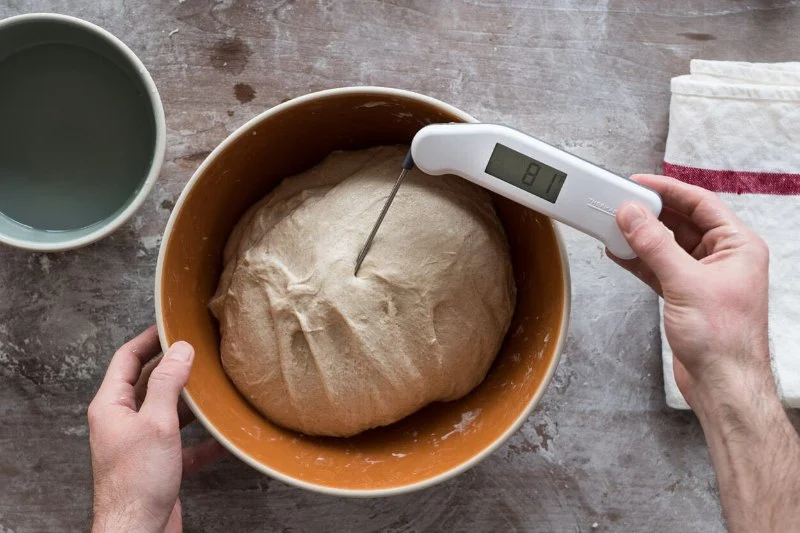
3. Understanding how to work with dough is crucial for any baker. Whether you're making bread, pizza, or pastry, the dough is the foundation of your creation. Here are some basic dough-making tips to help you get started.
3.1 Different types of dough
Not all dough is created equal. There are various types, each designed for different kinds of baked goods. For example, bread dough is typically heavier and needs longer proofing times, while pastry dough is lighter and requires cold temperatures to prevent the butter from melting.
3.1.1 The importance of texture
The texture of your dough will impact the final result of your baking. For bread, you want a smooth and elastic dough, while pastry dough should be flaky and tender. Learning to recognize these textures will help you achieve the best results.
3.2 Kneading dough correctly
Kneading is a critical step in most dough recipes. It helps develop gluten, which gives bread its chewy texture. The key is to knead until the dough is smooth and elastic but not overworked. If you over-knead, your dough may become tough.
3.2.1 Tips for successful kneading
Use the “push, fold, turn” technique for kneading. If your dough is too sticky, lightly flour your hands or the surface, but avoid adding too much flour, as this can alter the dough’s consistency.
Mastering Common Baking Techniques
4. Once you’ve gotten the hang of dough, it’s time to master common baking techniques that will elevate your skills. From the right way to measure ingredients to perfecting the baking time, these techniques will help you bake like a pro.
4.1 Measuring ingredients accurately
Accurate measurements are crucial for successful baking. Unlike cooking, baking is a science that requires precise amounts of ingredients. Use a kitchen scale for better accuracy when measuring flour and other dry ingredients.
4.1.1 The difference between cups and weight
When a recipe calls for a certain amount of flour, using a measuring cup can lead to inconsistencies, as flour can settle differently in each cup. Weighing ingredients ensures you use the exact amount needed, leading to better results.
4.2 Timing your bakes
Timing is another critical aspect of baking. Most baked goods have a specific baking time, and deviations from this time can affect the texture and flavor. Always preheat your oven and check on your items regularly as they bake.
4.2.1 Using a timer
Set a timer when baking to ensure you don’t overcook or undercook your food. Many beginner bakers struggle with timing, but a simple timer can make a huge difference in getting consistent results.
Delicious Baking Recipes to Try
5. Once you have the basics down, it’s time to start baking some delicious treats. Here are a few simple recipes to try:
5.1 Classic chocolate chip cookies
Chocolate chip cookies are a great starting point for any baker. They’re quick, easy, and always a crowd-pleaser. Start with a basic recipe and experiment with different types of chocolate or nuts to make them your own.
5.1.1 Perfecting the cookie texture
For chewy cookies, use more brown sugar. If you prefer a crispier texture, opt for a bit more granulated sugar. Finding the right balance of ingredients will give you the perfect cookie every time.
5.2 Easy homemade pizza dough
Homemade pizza dough is easier to make than you might think. With a few basic ingredients, you can make dough from scratch and top it with your favorite ingredients. It’s a fun and customizable option for beginners.
5.2.1 Allowing the dough to rise
Don’t rush the rising process! Let your dough rest and rise fully to achieve the best texture. A longer rise results in a more flavorful and airy crust.
Troubleshooting Common Baking Issues
6. Even the best bakers face issues from time to time. Here’s how to troubleshoot some common problems:
6.1 Flat cookies
If your cookies spread too much or turn out flat, it could be due to melted butter, too much sugar, or not enough flour. Make sure to chill your dough and measure your ingredients carefully to prevent this issue.
6.1.1 Avoiding flat cookies
Chill the cookie dough for 30 minutes before baking. This helps the dough firm up, preventing excessive spreading and ensuring your cookies hold their shape.
6.2 Cakes that don’t rise
If your cakes don’t rise, check that your leavening agents (baking powder or soda) are fresh and that you’re not overmixing the batter. Overmixing can cause the cake to deflate after baking.
6.2.1 Achieving a light and fluffy cake
Mix the cake batter until just combined. This will ensure the right texture and prevent your cake from becoming too dense.
Real-Life AC Repair Experiences
7. Many home bakers have shared their experiences with the trial and error of learning how to bake. One beginner baker shared how they were initially intimidated by baking bread but eventually conquered their fear by following step-by-step guides and practicing different dough techniques. Now, they bake bread regularly and are constantly improving their skills.
7.1 Gaining confidence through practice
As this baker's story shows, practice is key to becoming a better baker. Don’t be afraid to make mistakes and learn along the way—every misstep is an opportunity to grow and perfect your craft.
7.1.1 Embracing the baking journey
Remember, baking is a journey that involves patience, creativity, and persistence. Keep experimenting, and soon you’ll be creating delicious treats with confidence!






 Nagoya Bakery4.0 (25 reviews)
 The Quantum Baker0.0 (0 reviews)
 Valerio's Tropical Bake Shop4.0 (43 reviews)
 Manny's Bakeshop & Restaurant4.0 (19 reviews)
 Nanding's Bakery4.0 (368 reviews)
 Aloha Sunrise Granola5.0 (5 reviews)
 Bakery Custom Cake Handoff: Design, Allergens, and Pickup
 Bread Freezing Plan: Slicing, Wrapping, and Thawing
 Pastry Gift Box Check: Variety, Allergens, and Transport
 Sourdough Loaf Pickup: Bake Time, Slicing, and Storage
 Bakery Celebration Cake Pickup: Size, Travel, and Timing
 Bakery Bread Storage: Crust, Moisture, and Freezing Guide