
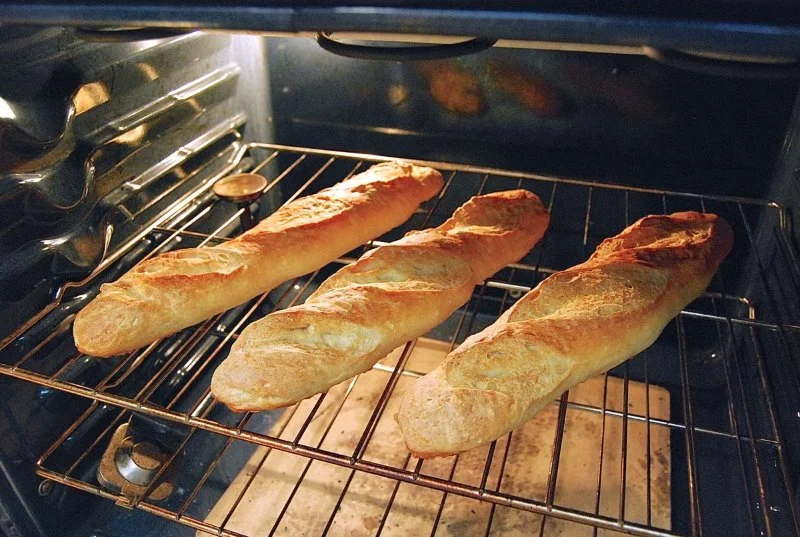
How to Achieve the Perfect Crunchy Crust in Bakery-Style Breads
- 1. Why the Crunchy Crust Matters
- 2. Essential Ingredients for a Perfect Crust
- 3. Baking Techniques to Enhance the Crunch
- 4. A Real-Life Example: Baking Bread at Home
- 5. Additional Tips for a Perfectly Crunchy Crust
- 6. Tools and Ingredients You Need for Better Baking
1. Why the Crunchy Crust Matters
The crust is one of the most important elements of bakery-style bread. A perfect crunchy crust not only adds texture but also enhances the flavor and aroma of the bread. Many people enjoy the contrast between the soft, airy interior and the crisp, golden-brown exterior, which adds to the overall sensory experience. Whether you’re baking at home or buying from your local bakery, a crunchy crust is often the sign of a well-made loaf.

Julius Sturgis Pretzel Bakery / pretzel factory lititz pa
LititzLancaster CountyPennsylvania
219 E Main St, Lititz, PA 17543, USA
2. Essential Ingredients for a Perfect Crust
Creating the perfect crunchy crust starts with the right ingredients. Here are the essential components:

L’Ami Bakery & Cafe / bakery in h mart
48-18 Northern Blvd, Long Island City, NY 11101, USA
2.1 Flour Quality
The type of flour you use plays a significant role in the texture and structure of the crust. High-protein bread flours like bread flour are ideal for achieving a chewy yet crisp crust. Using unbleached, all-purpose flour also contributes to better results.
2.2 Hydration
Proper hydration is key to achieving a perfect crust. The higher the hydration (i.e., the water-to-flour ratio), the more likely you are to get a crunchy, airy bread. If the dough is too dry, it will result in a dense loaf with a tough crust.
2.3 Sugar and Salt
Small amounts of sugar or honey can help to caramelize the crust, adding color and flavor. Salt not only improves the taste but also contributes to the texture by controlling yeast activity, which affects how the crust forms.
3. Baking Techniques to Enhance the Crunch
Now that we’ve covered the ingredients, let’s look at some essential techniques for achieving a crunchy crust:
3.1 Steaming the Oven
One of the best ways to create a crunchy crust is by introducing steam during the initial baking phase. The steam helps the dough expand more evenly, allowing the crust to develop its signature crunch. You can create steam by placing a pan of hot water in the bottom of the oven or by spritzing the dough with water before placing it in the oven.
3.2 Preheating Your Baking Surface
Preheating your baking surface, such as a pizza stone or Dutch oven, ensures that the bread starts baking immediately when it hits the hot surface. This helps to form a crispy bottom and supports an overall crispier crust.
3.3 The Right Baking Time and Temperature
Baking at high temperatures, around 450°F to 500°F (230°C to 260°C), is key to achieving a crunchy, golden crust. However, be careful not to burn the bread—bake it long enough to achieve a deep golden-brown color without overdoing it. Use an instant-read thermometer to check the internal temperature; it should read around 200°F (93°C) when done.
4. A Real-Life Example: Baking Bread at Home
I remember the first time I successfully baked a loaf with that perfect crunchy crust. It was a Sunday afternoon, and I was experimenting with a sourdough recipe. I followed all the techniques I had learned—steaming the oven, preheating my pizza stone, and baking at high heat. When the bread came out of the oven, the crust was golden, shiny, and made a satisfying crackling sound as it cooled. It was a moment of pure joy, and my family couldn’t stop talking about the amazing texture and flavor.
5. Additional Tips for a Perfectly Crunchy Crust
Here are a few extra tips that can elevate your bread-making skills:
5.1 Let the Dough Rest
Allowing the dough to rest for longer periods, such as through a slow fermentation process, can help develop more complex flavors and a better texture. This also gives the crust more time to form properly.
5.2 Scoring the Dough
Scoring the dough, or making shallow cuts in the top before baking, not only enhances the appearance of your bread but also helps control where the bread expands. This can prevent the crust from becoming too thick or tough in certain areas.
5.3 Cooling the Bread Properly
Once your bread is out of the oven, it’s essential to cool it properly to maintain that crunchy texture. Allow the bread to cool on a wire rack, which lets air circulate around the entire loaf, preventing the bottom from becoming soggy.
6. Tools and Ingredients You Need for Better Baking
If you’re serious about achieving the perfect bakery-style bread at home, investing in the right tools is crucial. Some of the essential tools include:
6.1 Baking Stone or Dutch Oven
A baking stone or a Dutch oven helps maintain high, even temperatures, contributing to a better, crunchier crust.
6.2 Bread Lame or Sharp Knife
A sharp bread lame or knife is essential for scoring the dough cleanly, ensuring the bread expands properly during baking.
6.3 Digital Thermometer
Use a digital thermometer to check the internal temperature of the bread, ensuring it’s baked through without overbaking.
For more baking tips and to discover the best ingredients and tools to help you bake perfect bread, visit [Baking Essentials Store] and get the highest quality tools and ingredients for your baking adventures.





 Nagoya Bakery4.0 (25 reviews)
 The Quantum Baker0.0 (0 reviews)
 Valerio's Tropical Bake Shop4.0 (43 reviews)
 Manny's Bakeshop & Restaurant4.0 (19 reviews)
 Nanding's Bakery4.0 (368 reviews)
 Aloha Sunrise Granola5.0 (5 reviews)
 Bread Thawing Plan: Portions, Timing, and Moisture Control
 Bakery Cake Pickup Check: Name, Message, Size, and Travel
 Bakery Ingredient Label Questions: Allergens, Dates, and Portions
 Bakery Muffin Storage: Moisture, Filling, and Freshness
 Bakery Bread Ingredients: Flour, Seeds, and Allergens
 Bakery Pastry Freshness: Texture, Filling, and Storage