
- 1. Why Bakery-Style Dinner Rolls?
- 2. Essential Ingredients for Perfect Dinner Rolls
- 3. Step-by-Step Guide to Making Bakery-Inspired Dinner Rolls
- 4. Common Issues and How to Solve Them
- 5. How to Enhance the Flavor of Your Dinner Rolls
1. Why Bakery-Style Dinner Rolls?
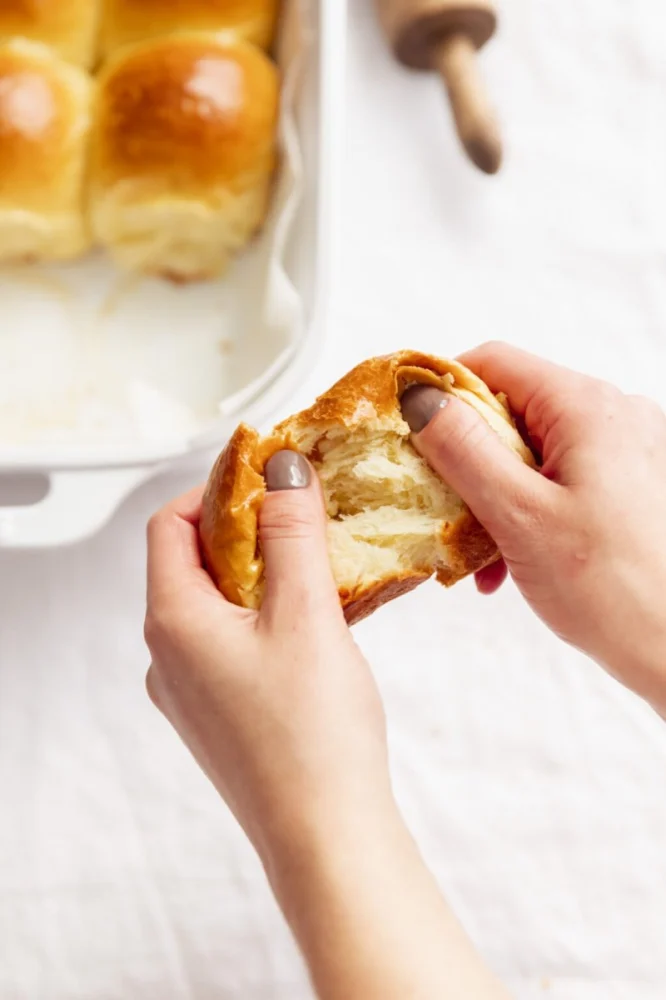
There’s something truly special about bakery-inspired dinner rolls. Soft, fluffy, and golden brown on the outside, these rolls are the perfect accompaniment to any meal. Whether you’re serving them at a holiday dinner, a family gathering, or simply enjoying them with a weeknight meal, bakery-style dinner rolls add a touch of comfort and elegance to your table.
What sets bakery rolls apart from store-bought varieties is their texture and flavor. The difference lies in the quality of ingredients, the technique, and the patience invested in the process. Making your own dinner rolls allows you to recreate that perfect bakery experience right in your own kitchen. With the right recipe and some practice, you’ll be able to achieve rolls that rival those from your favorite bakery!

Julius Sturgis Pretzel Bakery / pretzel factory lititz pa
LititzLancaster CountyPennsylvania
219 E Main St, Lititz, PA 17543, USA
2. Essential Ingredients for Perfect Dinner Rolls
To create the perfect bakery-inspired dinner rolls, you’ll need a few key ingredients that will ensure the texture and flavor are spot on:
- Flour: The foundation of your rolls. All-purpose flour works well for soft dinner rolls, but bread flour can give them extra structure due to its higher protein content.
- Yeast: Yeast is what makes your rolls rise and become light and airy. Active dry yeast or instant yeast are the best choices for making dinner rolls.
- Milk: Whole milk adds richness and flavor, helping create a soft, tender crumb in your rolls. You can also substitute with plant-based milk for a dairy-free version.
- Butter: Butter adds flavor and moisture to your rolls. You’ll want to use softened butter, and don’t skimp on this ingredient, as it’s key to achieving that rich bakery taste.
- Sugar: Sugar provides a touch of sweetness and helps activate the yeast, allowing the dough to rise properly.
- Salt: Salt is essential for balancing the sweetness and enhancing the flavor of the dough. It also helps control the fermentation process of the dough.
- Eggs: Eggs add structure and richness to the dough, helping your rolls achieve the perfect golden color and soft texture.
3. Step-by-Step Guide to Making Bakery-Inspired Dinner Rolls
Follow these simple steps to make your own soft, fluffy, and delicious dinner rolls at home:
- Activate the Yeast: In a small bowl, combine warm milk, sugar, and yeast. Let it sit for about 5-10 minutes until the mixture becomes frothy. This means the yeast is active and ready to go.
- Make the Dough: In a large mixing bowl, combine the flour and salt. Add the yeast mixture, softened butter, and eggs. Mix until a dough forms. Knead the dough for about 8-10 minutes until it’s smooth and elastic.
- Let the Dough Rise: Place the dough in a greased bowl and cover it with a damp cloth. Let it rise for about 1 hour, or until it has doubled in size.
- Shape the Rolls: Punch the dough down and divide it into 12 equal portions. Shape each portion into a smooth ball and place them into a greased baking pan, leaving a little space between each roll.
- Second Rise: Cover the shaped rolls and let them rise again for 30-45 minutes, or until they’ve puffed up and are touching each other.
- Bake the Rolls: Preheat the oven to 375°F (190°C). Bake the rolls for 15-20 minutes, or until they are golden brown on top.
- Brush with Butter: As soon as the rolls come out of the oven, brush them with melted butter to give them a beautiful shine and add extra flavor.
4. Common Issues and How to Solve Them
While making dinner rolls is relatively straightforward, there are a few common issues you may encounter. Here’s how to troubleshoot:
- Flat Rolls: If your rolls don’t rise as much as expected, it could be due to inactive yeast. Make sure your yeast is fresh and activated properly before starting the dough.
- Tough Rolls: Over-kneading or using too much flour can result in tough rolls. Ensure you knead the dough just enough to develop the gluten, and avoid adding extra flour while mixing.
- Dry Rolls: If your rolls are dry, the dough may have been overbaked, or not enough moisture was added. Check the baking time carefully, and use a thermometer to ensure the internal temperature is around 190°F (88°C).
5. How to Enhance the Flavor of Your Dinner Rolls
For an even more delicious batch of dinner rolls, try these flavor-enhancing tips:
- Herb Butter: After baking, brush your rolls with herb-infused butter, such as garlic or rosemary butter, for an extra layer of flavor.
- Honey or Maple Syrup: Add a tablespoon of honey or maple syrup to the dough for a subtle sweetness and depth of flavor.
- Cheese: For a savory twist, add grated cheese (like parmesan) into the dough or sprinkle it on top before baking for cheesy, golden rolls.






 Nagoya Bakery4.0 (25 reviews)
 The Quantum Baker0.0 (0 reviews)
 Valerio's Tropical Bake Shop4.0 (43 reviews)
 Manny's Bakeshop & Restaurant4.0 (19 reviews)
 Nanding's Bakery4.0 (368 reviews)
 Aloha Sunrise Granola5.0 (5 reviews)
 Bakery Celebration Cake Pickup: Size, Travel, and Timing
 Bakery Bread Storage: Crust, Moisture, and Freezing Guide
 Bakery Reservation Notes: Time, Party, Access, and Contact
 Bakery Menu Portion Chec: A Heavenly Delights Bakery Reader Guide
 Bakery Service Charge Check: Bill, Tips, and Group Split
 Bakery Texture Guide: A Practical US Checklist