
- 1. Understanding the Basics of Classic British Scones
- 2. Essential Ingredients for the Perfect Scones
- 3. Step-by-Step Guide to Making Scones
- 4. Tips for Achieving the Perfect Texture
- 5. Serving Suggestions and Variations
1. Understanding the Basics of Classic British Scones
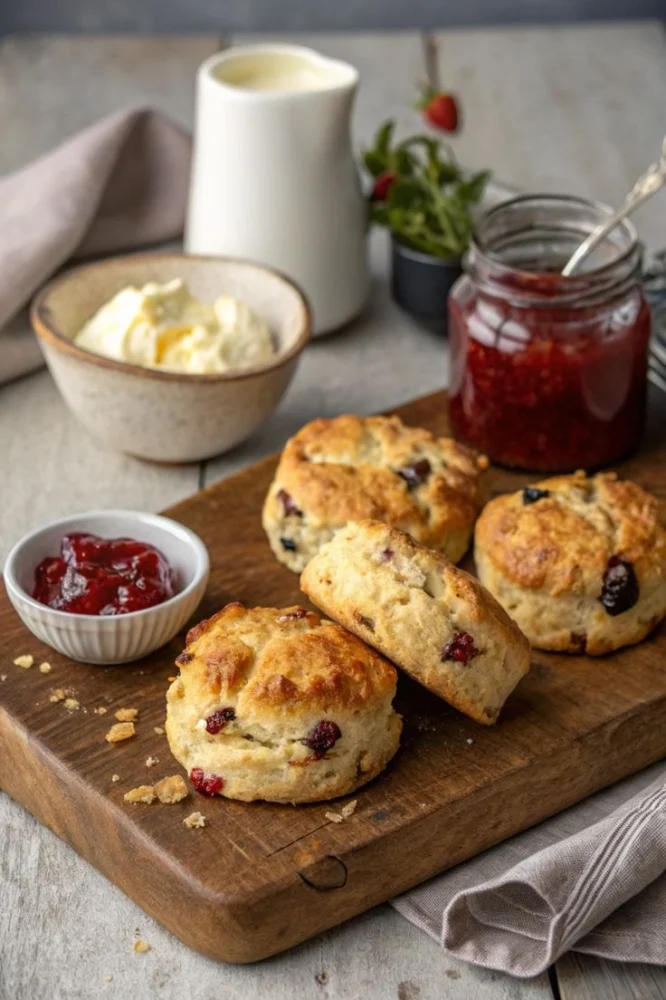
Scones are a quintessential part of British baking tradition. Typically enjoyed during afternoon tea, these light, fluffy treats can be made in a variety of ways. A classic British scone recipe usually includes simple ingredients such as flour, butter, sugar, and milk. Their texture is slightly crumbly, yet soft, making them a perfect complement to clotted cream and jam.

Julius Sturgis Pretzel Bakery / pretzel factory lititz pa
LititzLancaster CountyPennsylvania
219 E Main St, Lititz, PA 17543, USA
2. Essential Ingredients for the Perfect Scones
To create the ideal scones, you'll need a few key ingredients:

L’Ami Bakery & Cafe / bakery in h mart
48-18 Northern Blvd, Long Island City, NY 11101, USA
2.1 Flour
Flour is the foundation of any scone recipe. While most recipes call for plain flour, some bakers opt for self-raising flour to help the scones rise. The key is to avoid overworking the dough to maintain its light texture.
2.2 Butter
Butter is crucial for flavor and texture. Cold, cubed butter is mixed into the flour to create a crumbly mixture. This step is essential for achieving the delicate, flaky layers typical of a well-made scone.
2.3 Milk
Milk is used to bind the ingredients together. Some recipes suggest adding cream or buttermilk for extra richness, but whole milk is generally sufficient for most traditional scone recipes.
2.4 Sugar and Salt
A little sugar adds sweetness, while a pinch of salt helps balance the flavor. Don't add too much sugar, as scones are meant to be slightly sweet, not dessert-like.
3. Step-by-Step Guide to Making Scones
Making scones at home is simple, but getting the perfect texture requires a bit of attention. Here’s a straightforward guide to creating your own classic British scones:
3.1 Prepare Your Ingredients
Start by gathering all the ingredients: 2 cups of plain flour, 1/2 cup of butter, 1/4 cup of sugar, 1/2 cup of milk, and a pinch of salt. Preheat your oven to 425°F (220°C) to ensure it’s hot when the scones go in.
3.2 Mix the Dry Ingredients
In a large mixing bowl, combine the flour, sugar, and salt. Mix them well so that the ingredients are evenly distributed.
3.3 Cut in the Butter
Cut the cold butter into small cubes and add it to the dry ingredients. Using your fingertips or a pastry cutter, work the butter into the flour until the mixture resembles breadcrumbs. The key is to handle the mixture as little as possible to maintain the butter’s coldness.
3.4 Add the Milk
Gradually pour in the milk, stirring gently to form a soft dough. Do not overmix; the dough should just come together.
3.5 Shape and Cut the Scones
Turn the dough out onto a lightly floured surface. Gently knead it a couple of times, just enough to bring it together, then roll it out to about 1-inch thickness. Using a round cutter, cut the dough into circles and place them on a baking sheet.
3.6 Bake and Enjoy
Bake the scones in the preheated oven for about 12-15 minutes or until they’re golden brown. Let them cool slightly before serving, as they’re best enjoyed warm.
4. Tips for Achieving the Perfect Texture
To ensure your scones come out perfectly every time, keep these tips in mind:
4.1 Use Cold Ingredients
Cold butter is essential for achieving the desired flaky texture. The butter creates layers in the dough, which is what gives scones their light, airy structure.
4.2 Handle the Dough Gently
Avoid overworking the dough, as this can result in dense scones. Gently mix and knead the dough just enough to bring it together. The more you handle it, the tougher the scones will be.
4.3 Bake Immediately
Once your dough is ready, don’t let it sit for too long. Place it in the oven as soon as possible to achieve the best rise and texture.
5. Serving Suggestions and Variations
Classic British scones are traditionally served with clotted cream and strawberry jam. However, there are many variations you can try:
5.1 Adding Flavor Variations
For a twist, consider adding dried fruit like currants or raisins, or even grated cheese for a savory variation. You can also experiment with different jams, such as raspberry or apricot, to complement your scones.
5.2 Pairing with Tea
Scones are the perfect accompaniment to a cup of tea. Pair your scones with a strong English breakfast tea or a delicate Earl Grey for a traditional British afternoon tea experience.
5.3 Storing Leftovers
If you have leftover scones, store them in an airtight container at room temperature for up to two days. You can also freeze scones for later use; simply reheat them in the oven before serving for a freshly baked taste.
For more recipes, baking tips, or to find the perfect ingredients for your baking adventures, visit Heavenly Delights Bakery for a wide selection of baking products and services.


 Nagoya Bakery4.0 (25 reviews)
 The Quantum Baker0.0 (0 reviews)
 Valerio's Tropical Bake Shop4.0 (43 reviews)
 Manny's Bakeshop & Restaurant4.0 (19 reviews)
 Nanding's Bakery4.0 (368 reviews)
 Aloha Sunrise Granola5.0 (5 reviews)
 Bakery Service Charge Check: Bill, Tips, and Group Split
 Bakery Texture Guide: A Practical US Checklist
 Bakery Cake Quote: Size, Design, Pickup, and Allergen Notes
 Bakery Bread Crumb Check: Freshness, Cutting, and Serving
 Bakery Cupcake Pickup: Count, Box, and Safe Transport
 Bakery Whole-Grain Bread: Ingredients, Texture, and Freshness