
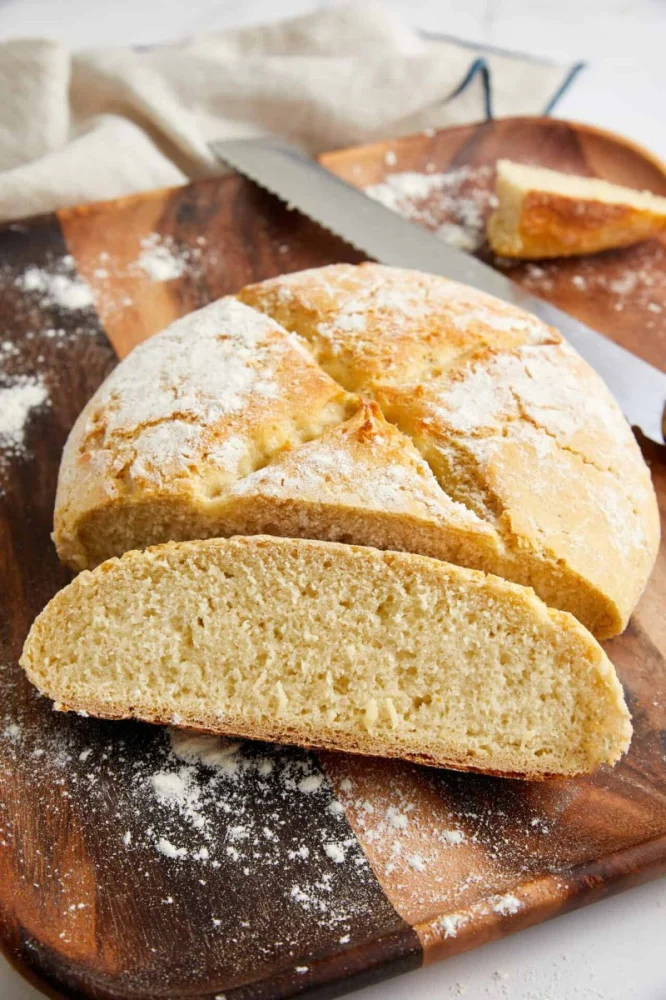
- 1- Why Make Artisan Bread at Home?
- 2- Essential Ingredients for Artisan Bread
- 3- Step-by-Step Guide to Making Artisan Bread
- 4- Common Mistakes to Avoid When Making Artisan Bread
- 5- Expert Tips for Perfect Artisan Bread
- 6- Real-Life Stories: How Artisan Bread Transformed My Baking
- 7- Why Choose Heavenly Delights Bakery for Your Baking Needs
1- Why Make Artisan Bread at Home?
Making artisan bread at home is a rewarding and fulfilling experience that allows you to enjoy fresh, delicious bread without the need for special equipment or complicated techniques. Artisan bread is known for its crunchy, golden crust, chewy interior, and rich flavor that cannot be found in store-bought varieties. By baking at home, you gain control over the ingredients, flavor profiles, and textures, ensuring a truly personalized bread that meets your preferences.
Additionally, the process of making bread from scratch can be incredibly satisfying. The time spent kneading, resting, and baking allows you to connect with your food and creates a sense of accomplishment as you watch the dough transform into a beautiful loaf.

Julius Sturgis Pretzel Bakery / pretzel factory lititz pa
LititzLancaster CountyPennsylvania
219 E Main St, Lititz, PA 17543, USA
2- Essential Ingredients for Artisan Bread
While artisan bread recipes can vary, there are a few key ingredients that are always necessary for making a successful loaf:

L’Ami Bakery & Cafe / bakery in h mart
48-18 Northern Blvd, Long Island City, NY 11101, USA
Flour
High-quality flour is essential for artisan bread. Most recipes call for bread flour, which has a higher protein content than all-purpose flour, giving the dough structure and the loaf its chewy texture. However, some artisan bread recipes use a mix of all-purpose and whole wheat flour to add flavor and complexity.
Water
Water is crucial in hydrating the flour, activating the yeast, and helping the dough rise. Make sure to use clean, room-temperature water. Too hot or too cold water can affect the yeast's performance, so aim for a balanced temperature that encourages yeast activity.
Yeast
Yeast is the ingredient that makes the bread rise, creating those air pockets that give it a light and airy texture. There are two main types of yeast used in artisan bread: active dry yeast and instant yeast. Both types can be used, but instant yeast is often preferred for its faster rise time and ease of use.
Salt
Salt not only enhances the flavor of the bread but also controls the fermentation process by slowing down the yeast's activity. Be sure to use a good-quality sea salt or kosher salt for the best results.
Optional Ingredients
Other ingredients, such as olive oil, honey, or herbs, can be added for flavor. You can experiment with different add-ins like seeds, nuts, or dried fruits to create unique variations of artisan bread.
3- Step-by-Step Guide to Making Artisan Bread
Now that you know the essential ingredients, let's walk through the steps for making the perfect artisan bread at home.
Step 1: Mixing the Dough
In a large bowl, combine the flour, salt, and yeast. Gradually add the water, mixing with a spoon until the dough comes together. The dough should be slightly sticky but not overly wet. If it’s too dry, add a little more water; if too wet, add more flour.
Step 2: Kneading the Dough
Turn the dough out onto a floured surface and begin kneading it for about 10 minutes, until the dough becomes smooth and elastic. This process develops the gluten, which gives the bread its structure. If you prefer, you can also use a stand mixer with a dough hook to knead the dough more efficiently.
Step 3: First Rise
Place the dough in a lightly oiled bowl and cover it with a damp cloth. Let it rise at room temperature for 1-2 hours, or until it has doubled in size. During this time, the yeast will ferment, causing the dough to rise and become light and airy.
Step 4: Shaping the Dough
Once the dough has risen, turn it out onto a floured surface again and shape it into a round or oval loaf, depending on your preference. Be gentle when handling the dough to maintain its air pockets. You can also shape the dough into smaller rolls if desired.
Step 5: Second Rise
Allow the shaped dough to rest and rise for an additional 30-60 minutes. This second rise gives the bread its final texture and ensures a fluffy interior once baked.
Step 6: Baking the Bread
Preheat your oven to 475°F (245°C). If you have a baking stone, place it in the oven while preheating. Once the oven is ready, place the dough on the baking stone or a baking sheet lined with parchment paper. Use a sharp knife to score the top of the dough, allowing it to expand during baking. Bake for 30-40 minutes, or until the bread has a golden-brown crust and sounds hollow when tapped on the bottom.
4- Common Mistakes to Avoid When Making Artisan Bread
Making artisan bread can be tricky if you're not familiar with the process. Here are some common mistakes to avoid:
Overmixing the Dough
Be sure to mix the dough just enough to combine the ingredients. Overmixing can result in tough bread, as it develops too much gluten too quickly.
Not Allowing Enough Rise Time
Patience is key in bread-making. Make sure to allow the dough enough time to rise during both the first and second rises. Rushing through this process can result in dense, flat bread.
Underbaking
Ensure that your bread is fully baked by checking for a golden-brown crust and tapping on the bottom to hear a hollow sound. Underbaked bread can have a doughy texture that’s hard to enjoy.
5- Expert Tips for Perfect Artisan Bread
Here are some expert tips to elevate your artisan bread-making game:
Use a Dutch Oven for a Perfect Crust
A Dutch oven traps heat and moisture, creating an ideal environment for the bread to bake and rise. It also produces a beautifully crispy crust, making it perfect for artisan bread.
Add Steam to Your Oven
Adding steam during the first few minutes of baking helps create a crispier, more attractive crust. You can do this by placing a pan of water at the bottom of the oven or by spritzing the dough with water before baking.
6- Real-Life Stories: How Artisan Bread Transformed My Baking
Many home bakers have shared their experiences of learning to bake artisan bread. For example, Rachel, a beginner baker, shared how making her first loaf of artisan bread changed her kitchen routine. “I was intimidated at first, but after trying a few times, I finally got it right! The smell of fresh bread baking in my kitchen is now one of my favorite things.”
7- Why Choose Heavenly Delights Bakery for Your Baking Needs
If you’re looking to enhance your baking experience, visit Heavenly Delights Bakery for high-quality ingredients, baking tools, and expert advice. Whether you’re a seasoned baker or a beginner, we offer the best products to help you bake the perfect artisan bread every time.
Visit Heavenly Delights Bakery today and start your baking journey with the finest ingredients and tools available!






 Nagoya Bakery4.0 (25 reviews)
 The Quantum Baker0.0 (0 reviews)
 Valerio's Tropical Bake Shop4.0 (43 reviews)
 Manny's Bakeshop & Restaurant4.0 (19 reviews)
 Nanding's Bakery4.0 (368 reviews)
 Aloha Sunrise Granola5.0 (5 reviews)
 Bakery Service Charge Check: Bill, Tips, and Group Split
 Bakery Texture Guide: A Practical US Checklist
 Bakery Cake Quote: Size, Design, Pickup, and Allergen Notes
 Bakery Bread Crumb Check: Freshness, Cutting, and Serving
 Bakery Cupcake Pickup: Count, Box, and Safe Transport
 Bakery Whole-Grain Bread: Ingredients, Texture, and Freshness