
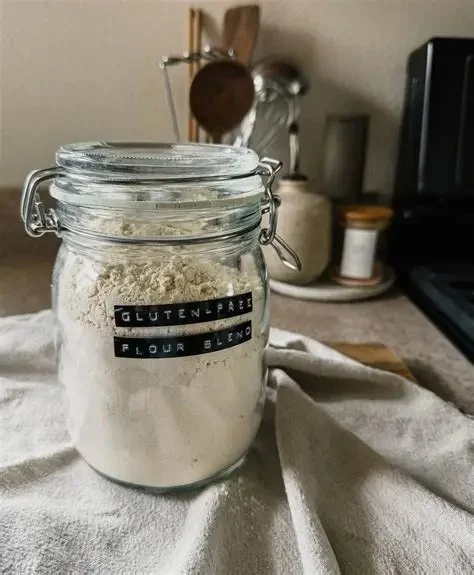
- 1-Introduction to Gluten-Free Flour Blends
- 2-Why Make Your Own Gluten-Free Flour Blend?
- 3-Key Ingredients for Your Gluten-Free Flour Blend
- 4-How to Make Your Own Gluten-Free Flour Blend
- 5-Baking Tips for Gluten-Free Recipes
- 6-Concluding Thoughts on Gluten-Free Flour Blends
1. Introduction to Gluten-Free Flour Blends
Whether you're new to gluten-free baking or an experienced baker, creating your own gluten-free flour blend is an essential skill. Gluten-free flour blends are the foundation for making delicious cakes, breads, muffins, and more without wheat or other gluten-containing ingredients. Unlike store-bought gluten-free flour, homemade blends offer the flexibility to tailor the mix to your specific baking needs. In this article, we'll explore how to make your own gluten-free flour blend that works perfectly for a variety of baked goods.

Julius Sturgis Pretzel Bakery / pretzel factory lititz pa
LititzLancaster CountyPennsylvania
219 E Main St, Lititz, PA 17543, USA
2. Why Make Your Own Gluten-Free Flour Blend?
Many people opt for store-bought gluten-free flour blends, but there are several reasons why making your own blend at home is a great option:

L’Ami Bakery & Cafe / bakery in h mart
48-18 Northern Blvd, Long Island City, NY 11101, USA
Control Over Ingredients
By creating your own flour blend, you have full control over the ingredients you use. This allows you to tailor the blend to your dietary needs, whether you're avoiding specific allergens or just prefer certain ingredients. For instance, you can experiment with different types of rice flour, almond flour, or other gluten-free grains based on your preferences or the specific recipe you're following.
Better Taste and Texture
Commercial gluten-free flours often contain additives or preservatives to enhance shelf life or texture. By making your own blend, you can avoid these unnecessary ingredients and ensure that your baked goods have the perfect texture and flavor. Many home bakers find that homemade blends result in more natural and delicious results.
Cost-Effective
While store-bought gluten-free flour blends can be expensive, especially when you bake often, making your own flour blend can be much more affordable. Buying ingredients in bulk and mixing them yourself saves money in the long run and allows you to always have fresh flour on hand for your baking needs.
3. Key Ingredients for Your Gluten-Free Flour Blend
To create a balanced and versatile gluten-free flour blend, you need a variety of ingredients. Here are the key components you'll need for a well-rounded flour mix:
1. Base Flours
The base flours provide the structure and texture for your blend. Some common base flours include:
- Rice flour – A mild-tasting flour that's commonly used as a base for gluten-free baking.
- Sorghum flour – A high-protein flour that adds structure and is often used in gluten-free baking.
- Potato starch – A great option for adding lightness and moisture to your blend.
- Cornstarch – Another starch that helps create a smooth, fluffy texture in your baked goods.
2. Binding Agents
Since gluten is responsible for providing structure and elasticity to traditional baked goods, gluten-free blends require binding agents to mimic this texture. Some common binding agents include:
- Xanthan gum – A powerful thickener and stabilizer that helps hold the structure together.
- Guar gum – Another popular binding agent, though it has a slightly different texture compared to xanthan gum.
- Psyllium husk – A natural fiber that helps create a soft, elastic dough, making it a great option for bread.
3. Flavor Enhancers
Flavor enhancers can make a big difference in your gluten-free flour blend. Some options to consider include:
- Almond flour – Adds a mild, nutty flavor that complements many baked goods.
- Coconut flour – A dense flour that adds a slight sweetness and works well in cake recipes.
- Oat flour – Provides a mild, neutral flavor and works well in many gluten-free recipes.
4. How to Make Your Own Gluten-Free Flour Blend
Now that you know the essential ingredients, let's take a look at how to make your own gluten-free flour blend. This recipe is simple, customizable, and works well in a variety of baked goods:
Basic Gluten-Free Flour Blend Recipe
Here's a basic, versatile recipe for your gluten-free flour blend:
- 2 cups rice flour
- 1 cup potato starch
- 1 cup sorghum flour
- 2 teaspoons xanthan gum (or 1 teaspoon guar gum)
Instructions:
- In a large bowl, whisk together all the dry ingredients until fully combined.
- Transfer the blend to an airtight container for storage. It should keep for several weeks when stored in a cool, dry place.
- Use as a one-to-one substitute for all-purpose flour in most baking recipes. You may need to adjust the liquid or add extra binding agents depending on the recipe.
Customizing Your Blend
This basic recipe is a great starting point, but feel free to experiment with different flours and ingredients based on your preferences. If you're baking a recipe that requires more moisture, consider adding a little extra potato starch or sorghum flour. For a nutty flavor, almond flour can be swapped in for part of the rice flour. The beauty of homemade gluten-free flour blends is that you can adjust them as needed for each baking project.
5. Baking Tips for Gluten-Free Recipes
Baking with gluten-free flour blends can be a bit tricky, but with a few simple tips, you can achieve great results:
1. Use Extra Liquid
Gluten-free flours tend to absorb more liquid than wheat flour, so be sure to increase the amount of liquid in your recipe. Add a little at a time until you achieve the right consistency.
2. Let the Batter Rest
Allowing the gluten-free batter to rest for 15-20 minutes before baking gives the flour time to absorb the liquids, improving the texture and consistency of the final product.
3. Experiment with Additives
Depending on the type of baked good you're making, feel free to experiment with additives like dairy-free yogurt, applesauce, or even mashed bananas for added moisture.
6. Concluding Thoughts on Gluten-Free Flour Blends
Making your own gluten-free flour blend for baking allows you to have full control over your ingredients, resulting in better taste, texture, and overall satisfaction. Whether you're an experienced baker or just starting out, homemade blends can elevate your gluten-free baking game. By experimenting with different combinations of flours and binders, you can create a blend that works perfectly for your needs.
If you're looking for more gluten-free baking supplies, tools, or even pre-made flour blends, be sure to check out Heavenly Delights Bakery for all your gluten-free baking essentials.


 Nagoya Bakery4.0 (25 reviews)
 The Quantum Baker0.0 (0 reviews)
 Valerio's Tropical Bake Shop4.0 (43 reviews)
 Manny's Bakeshop & Restaurant4.0 (19 reviews)
 Nanding's Bakery4.0 (368 reviews)
 Aloha Sunrise Granola5.0 (5 reviews)
 Bakery Celebration Cake Pickup: Size, Travel, and Timing
 Bakery Bread Storage: Crust, Moisture, and Freezing Guide
 Bakery Reservation Notes: Time, Party, Access, and Contact
 Bakery Menu Portion Chec: A Heavenly Delights Bakery Reader Guide
 Bakery Service Charge Check: Bill, Tips, and Group Split
 Bakery Texture Guide: A Practical US Checklist