
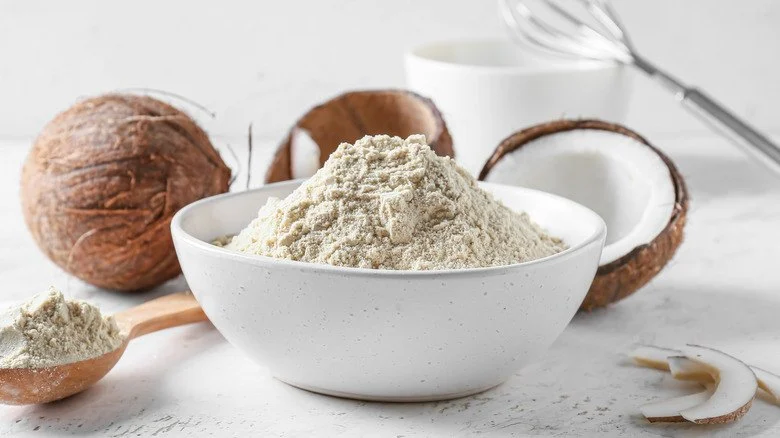
How to Use Coconut Flour in Baking for a Gluten-Free Treat
- Introduction to Coconut Flour
- Why Choose Coconut Flour for Gluten-Free Baking?
- How to Substitute Coconut Flour in Recipes
- Tips for Baking with Coconut Flour
- Delicious Gluten-Free Coconut Flour Recipes
Coconut flour is a versatile, gluten-free flour made from dried coconut meat. It’s a popular choice for those with gluten sensitivities or anyone seeking healthier alternatives to traditional wheat flour. While it has a unique texture and taste, coconut flour can be used in many baking recipes to create delicious and nutritious treats. However, because it behaves differently than other flours, it’s important to understand how to use it correctly to achieve the best results.
So, why choose coconut flour for gluten-free baking? Here are a few key reasons:
- Gluten-Free: Coconut flour is naturally gluten-free, making it a great choice for people with celiac disease or gluten intolerance.
- Low-Carb and High in Fiber: It’s a low-carb option with high fiber content, which is great for those following a low-carb or ketogenic diet.
- Rich in Nutrients: Coconut flour contains essential vitamins and minerals, including iron, calcium, and potassium.
- Absorbs Moisture: Coconut flour is highly absorbent, which helps create moist and tender baked goods.
When substituting coconut flour in a recipe, it's important to remember that it behaves very differently from other flours. It’s much more absorbent, so you can’t simply swap it in 1:1 with other flours. Here's how you can substitute coconut flour effectively:
- Use Less Coconut Flour: Typically, you need about ¼ to ⅓ of the amount of coconut flour compared to what’s called for in wheat flour.
- Increase Liquids: Because coconut flour absorbs a lot of liquid, you’ll need to add more eggs, milk, or other liquids to the recipe. A general rule of thumb is to use one egg per ¼ cup of coconut flour.
- Combine with Other Flours: For best results, consider mixing coconut flour with almond flour or rice flour to get a better texture and balance.
Baking with coconut flour can be a bit tricky at first, but with the right techniques, you can create delicious gluten-free treats. Here are some tips to help you succeed:
- Start with Simple Recipes: If you're new to coconut flour, start with recipes that have been specifically designed for it. Pancakes, muffins, and cookies are good starting points.
- Experiment with Moisture: Since coconut flour absorbs a lot of moisture, don't be afraid to experiment with different amounts of liquids and eggs until you find the perfect balance for your recipes.
- Let the Batter Rest: Coconut flour-based batter benefits from resting for about 10 minutes to allow the flour to fully absorb the liquid.
- Store Properly: Keep coconut flour in an airtight container in a cool, dry place. It has a shelf life of about six months but can last longer if stored in the fridge.
Here are a few delicious gluten-free coconut flour recipes you can try:
- Coconut Flour Pancakes: Light and fluffy pancakes made with coconut flour, eggs, and a bit of honey. Serve with fresh berries or maple syrup for a perfect breakfast.
- Coconut Flour Chocolate Chip Cookies: A chewy and indulgent treat made with coconut flour, dark chocolate chips, and a hint of vanilla.
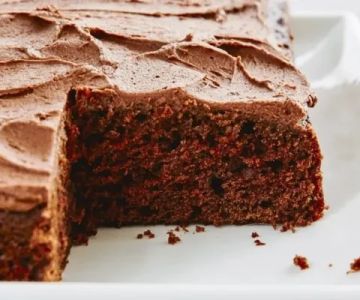
- Gluten-Free Coconut Flour Banana Bread: This moist and delicious banana bread is made with coconut flour and perfect for breakfast or a snack.

Julius Sturgis Pretzel Bakery / pretzel factory lititz pa
LititzLancaster CountyPennsylvania
219 E Main St, Lititz, PA 17543, USA
Conclusion
Coconut flour is a fantastic ingredient to have in your gluten-free baking arsenal. By understanding how to use it properly, you can create a wide variety of treats that are both delicious and nutritious. Whether you’re baking pancakes for breakfast or cookies for dessert, coconut flour can add a unique flavor and texture to your recipes. For more tips, recipes, and high-quality coconut flour products, visit Heavenly Delights Bakery today!





 Nagoya Bakery4.0 (25 reviews)
 The Quantum Baker0.0 (0 reviews)
 Valerio's Tropical Bake Shop4.0 (43 reviews)
 Manny's Bakeshop & Restaurant4.0 (19 reviews)
 Nanding's Bakery4.0 (368 reviews)
 Aloha Sunrise Granola5.0 (5 reviews)
 Bakery Reservation Notes: Time, Party, Access, and Contact
 Bakery Menu Portion Chec: A Heavenly Delights Bakery Reader Guide
 Bakery Service Charge Check: Bill, Tips, and Group Split
 Bakery Texture Guide: A Practical US Checklist
 Bakery Cake Quote: Size, Design, Pickup, and Allergen Notes
 Bakery Bread Crumb Check: Freshness, Cutting, and Serving