
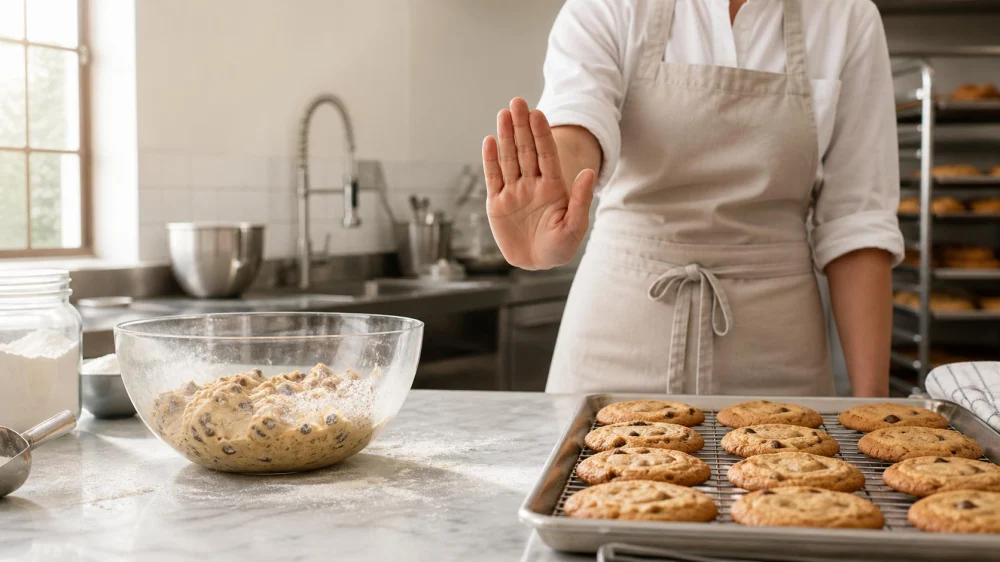
Raw Bakery Dough and Batter: Do Not Taste Before Baking
On this page
Quick answer
Do not taste raw bakery dough, batter, cake mix, or flour. Most flour is a raw food and can carry germs; raw eggs can add risk. Bake or cook the product for the full time and temperature in its directions, then wash hands, bowls, utensils, and counters with warm, soapy water. Only eat a dough without baking when its label clearly says it is ready to eat and it was made with treated flour and pasteurized eggs or no eggs.

Julius Sturgis Pretzel Bakery / pretzel factory lititz pa
LititzLancaster CountyPennsylvania
219 E Main St, Lititz, PA 17543, USA
Remember that flour is raw
Flour looks dry and shelf-stable, but it usually has not received a treatment that kills disease-causing germs. CDC and FDA guidance explain that grain can be contaminated in the field or during production, and grinding or bleaching does not reliably eliminate harmful bacteria such as pathogenic E. coli or Salmonella.
There is no way to identify contaminated flour by sight, smell, or taste. The safety step is proper baking or cooking, not inspection. A small spoonful of batter or a pinch of raw flour is still an exposure.
Flour recalls can affect products stored for a long time. Check an official recall notice when a brand or mix is named, match the product and lot information, and follow its disposal or return instructions.

L’Ami Bakery & Cafe / bakery in h mart
48-18 Northern Blvd, Long Island City, NY 11101, USA
Treat eggs as a second risk
Fresh shell eggs can contain Salmonella even when the shell looks clean and unbroken. Cookies, cakes, brownies, pastries, and enriched bread dough may combine the risks from uncooked flour and raw egg.
Using pasteurized eggs can reduce the egg-related risk, but it does not make ordinary raw flour safe. Likewise, an egg-free or vegan batter can still contain untreated flour. Judge every raw ingredient, not just the one that gets the most attention.
For recipes designed to be served with raw or undercooked egg, FDA advises using pasteurized shell eggs or pasteurized egg products. Follow the recipe and product label rather than attempting an improvised substitution.
Recognize what counts as raw dough
The rule extends beyond chocolate-chip cookie dough. CDC lists dough or batter for brownies, cakes, pie crust, tortillas, pizza, biscuits, and pancakes, as well as craft mixtures made with raw flour. Dry cake mix stirred into a milkshake is also not intended to be eaten raw.
Do not let children lick beaters, scrape a mixing bowl, sample a shaped cookie, or play with homemade flour dough. Pets should also be kept away from spills and scraps.
At a bakery class or demonstration, wait until the instructor identifies a finished, fully baked sample. A dough shown during shaping or proofing is still raw even when it has risen or fermented.
Separate products made to eat raw
Some packaged edible cookie doughs and brownie batters are specifically made for consumption without baking. CDC notes that these products use heat-treated flour and pasteurized eggs or no eggs. The package should clearly state that the product is ready to eat.
Do not assume refrigerated cookie dough is edible raw because it comes from a store. Many packages are designed only for baking and include a warning or cooking directions. Follow the label.
Do not try to heat-treat flour at home as a shortcut. FDA guidance warns that home treatments may not kill all bacteria and do not reliably make raw flour safe.
Prevent kitchen cross-contamination
Flour is light and spreads easily. Open bags carefully, measure without shaking clouds into the air, and keep raw ingredients away from fruit, frosting, finished pastries, and other ready-to-eat food.
After mixing, wash hands with soap and running water. Wash bowls, spoons, beaters, pans, cutting boards, and counters with warm, soapy water. Clean drawer pulls, faucet handles, or phone cases touched with floury hands.
Do not place a baked pastry on a tray that still carries raw batter. Use clean utensils for decorating and serving. Refrigerate commercial dough when its label requires it and keep the package separated from ready-to-eat food.
Respond to a recall or illness
If flour or baking mix is recalled, do not bake with it in an attempt to make it usable. Follow the notice’s instructions for return or disposal, then clean any containers or surfaces that held it. Check secondary containers if flour was decanted and the original lot code is no longer visible.
Foodborne illness symptoms can include diarrhea, vomiting, abdominal pain, fever, headache, and body aches. Timing varies by germ. Contact a health professional when symptoms are severe, persistent, bloody, accompanied by dehydration, or involve a person at higher risk.
Young children, adults 65 and older, pregnant people, and people with weakened immune systems can face greater risk of severe foodborne illness. Seek medical guidance promptly when exposure or symptoms concern you.
Limitations and important notes
This guide is for ordinary flour-based bakery products. A manufacturer may sell a ready-to-eat product made through validated processing, but that status must come from the label or manufacturer—not from texture, packaging, or a social-media recipe.
Exact baking time and temperature depend on the product. Follow tested recipe or package directions. Browning at the edge alone does not prove that a large or thick item is fully cooked.
Sources and evidence notes
CDC and FDA consumer materials consistently treat most flour as raw, advise against tasting uncooked dough or batter, and recommend cleaning after handling.
Frequently asked questions
Is raw flour dangerous even without eggs?
It can be. Most flour is raw and may carry harmful germs, so an egg-free batter is not automatically safe to taste.
Does freezing cookie dough kill the germs?
No. Freezing preserves dough but is not a reliable kill step for pathogens. Bake it according to the directions.
Can I eat store-bought cookie dough?
Only without baking if the package clearly identifies it as ready to eat. Standard refrigerated dough may be labeled for baking only.
Can children use flour dough for crafts?
CDC and FDA advise against letting children play with raw-flour dough, including homemade play dough and ornaments.
Can I microwave a spoonful of batter to make it safe?
Use the product’s tested cooking directions. A brief improvised microwave treatment may heat unevenly and is not a reliable substitute.
Next steps
Before baking, read the package and check for any recall. Keep flour and eggs away from ready-to-eat food, skip all tasting, and bake for the directed time and temperature. Afterward, wash hands and every contacted surface. If you want an uncooked dough dessert, buy a product that explicitly says it is ready to eat and follow its storage instructions.




 Nagoya Bakery4.0 (25 reviews)
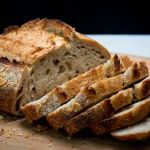 The Quantum Baker0.0 (0 reviews)
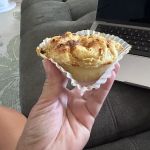 Valerio's Tropical Bake Shop4.0 (43 reviews)
 Manny's Bakeshop & Restaurant4.0 (19 reviews)
 Nanding's Bakery4.0 (368 reviews)
 Aloha Sunrise Granola5.0 (5 reviews)
 Bakery Reservation Notes: Time, Party, Access, and Contact
 Bakery Menu Portion Chec: A Heavenly Delights Bakery Reader Guide
 Bakery Service Charge Check: Bill, Tips, and Group Split
 Bakery Texture Guide: A Practical US Checklist
 Bakery Cake Quote: Size, Design, Pickup, and Allergen Notes
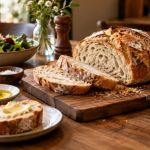 Bakery Bread Crumb Check: Freshness, Cutting, and Serving