
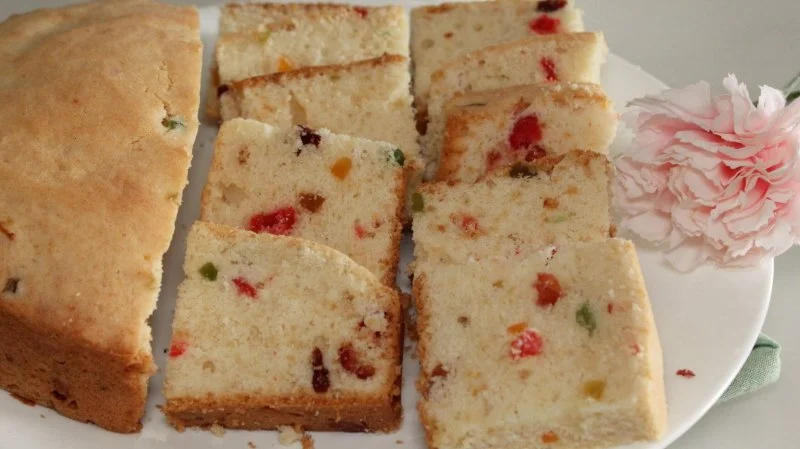
Handcrafted Bakery-Style Cake: No Mixer Needed
- 1 - Essential Ingredients and Preparation
- 2 - Mixing Techniques for Fluffy Cake
- 3 - Step-by-Step Baking Instructions
- 4 - Tips for Perfect Texture and Moisture
- 5 - Decorating and Serving Ideas
- 6 - Real-Life Success Story
- 7 - Common Mistakes and How to Avoid Them
- 8 - Enhancing Flavor and Experimenting
- 9 - Final Encouragement and Next Steps
1. Essential Ingredients and Preparation
To make a bakery-style cake without a mixer, you need high-quality ingredients: flour, sugar, eggs, butter, milk, baking powder, and a pinch of salt. Proper preparation ensures smooth mixing. Room temperature butter and eggs allow ingredients to combine evenly, which is crucial for achieving a light, airy texture by hand.
Begin by sifting the flour, baking powder, and salt together. This step helps incorporate air and prevents lumps, giving your cake a tender crumb. Preparing your pans with parchment paper and a light coating of butter or oil prevents sticking and ensures a clean release.

Julius Sturgis Pretzel Bakery / pretzel factory lititz pa
LititzLancaster CountyPennsylvania
219 E Main St, Lititz, PA 17543, USA
2. Mixing Techniques for Fluffy Cake
2.1 Creaming Butter and Sugar by Hand
Use a sturdy wooden spoon or silicone spatula to cream butter and sugar together. Start with small circular motions, gradually increasing speed and pressure. The goal is to incorporate air into the butter, which will help the cake rise. This technique, though manual, can replicate the aeration a mixer provides.
L’Ami Bakery & Cafe / bakery in h mart
48-18 Northern Blvd, Long Island City, NY 11101, USA
2.2 Incorporating Eggs Gradually
Add eggs one at a time, beating well after each addition. This prevents curdling and maintains an even texture. Scrape the bowl's sides to fully integrate all ingredients.
2.3 Folding in Dry Ingredients
To preserve the air you've incorporated, gently fold the dry ingredients into the wet mixture using a spatula. Employ a lifting motion, turning the batter from the bottom to the top until combined. Avoid overmixing, as this can result in a dense cake.
3. Step-by-Step Baking Instructions
Preheat your oven to the recommended temperature, usually around 350°F (175°C). Pour the batter evenly into prepared pans, tapping lightly to release any trapped air bubbles. Bake for 25-35 minutes, checking doneness with a toothpick inserted in the center. It should come out clean or with a few moist crumbs.
Allow the cake to cool in the pan for 10 minutes before transferring it to a wire rack. Cooling properly ensures your cake maintains its shape and prevents sogginess.
4. Tips for Perfect Texture and Moisture
- Use room temperature ingredients for smoother mixing and even baking.
- Fold ingredients carefully to maintain airiness.
- Don’t overbake; slight underbaking yields a moister cake.
- Add a touch of milk or oil if the batter seems thick.
5. Decorating and Serving Ideas
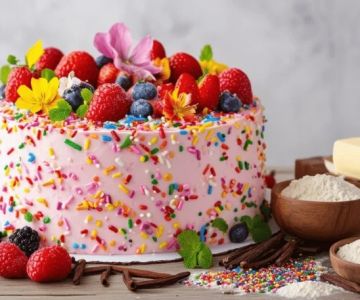
Once cooled, you can frost and decorate your cake with buttercream, whipped cream, or ganache. Add fresh berries, edible flowers, or chocolate shavings for a professional finish. Even without a mixer, these cakes can rival bakery presentation when decorated with care.
6. Real-Life Success Story
Emma, a home baker from Oregon, had no mixer but wanted to impress her friends for a birthday party. Following a hand-mixing technique, she achieved a light, fluffy vanilla cake layered with homemade strawberry cream. Guests were astonished at the texture and presentation. Her story highlights that manual methods, with patience and proper technique, can produce stunning results.
7. Common Mistakes and How to Avoid Them
- Overmixing batter – can cause dense, heavy cake.
- Skipping sifting – may lead to lumps and uneven texture.
- Adding eggs too quickly – risk of curdling.
- Improper oven temperature – results in uneven baking or dry edges.
8. Enhancing Flavor and Experimenting
Add extracts like vanilla, almond, or citrus zest for added aroma. Experiment with cocoa powder, coffee, or spices for unique flavor profiles. You can also fold in chocolate chips, nuts, or dried fruits to create layers of texture and taste. Hand-mixed cakes allow creative control over flavors while keeping the process accessible and enjoyable.
9. Final Encouragement and Next Steps
Making a bakery-style cake without a mixer is entirely possible with attention to detail and the right techniques. Start with simple flavors, focus on proper folding and creaming, and gradually experiment. For those looking to enhance their baking experience, check out high-quality baking tools and ingredients from trusted sources. Learn more about creating professional-quality cakes at home and explore products that make hand-mixing easier, efficient, and fun. Discover more tips and products for mastering how to make a bakery-style cake without a mixer.
 Nagoya Bakery4.0 (25 reviews)
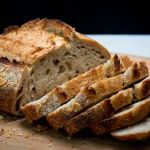 The Quantum Baker0.0 (0 reviews)
 Valerio's Tropical Bake Shop4.0 (43 reviews)
 Manny's Bakeshop & Restaurant4.0 (19 reviews)
 Nanding's Bakery4.0 (368 reviews)
 Aloha Sunrise Granola5.0 (5 reviews)
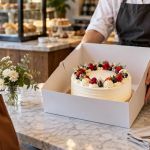 Bakery Celebration Cake Pickup: Size, Travel, and Timing
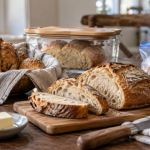 Bakery Bread Storage: Crust, Moisture, and Freezing Guide
 Bakery Reservation Notes: Time, Party, Access, and Contact
 Bakery Menu Portion Chec: A Heavenly Delights Bakery Reader Guide
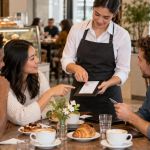 Bakery Service Charge Check: Bill, Tips, and Group Split
 Bakery Texture Guide: A Practical US Checklist