
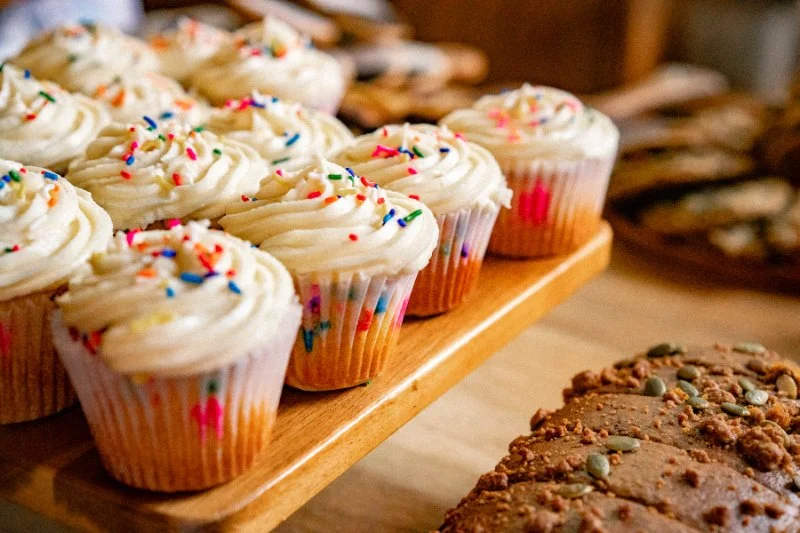
Why Gluten-Free Bakeries Are Gaining Popularity: The Rise of Gluten-Free Baking
- Why Are Gluten-Free Bakeries Gaining Popularity?
- Health Benefits and Lifestyle Changes Driving the Trend
- Challenges in Gluten-Free Baking
- Success Stories: Popular Gluten-Free Bakeries
- What’s Next for Gluten-Free Bakeries?
Why Are Gluten-Free Bakeries Gaining Popularity?
The rise of gluten-free bakeries is a clear reflection of changing dietary preferences and the growing awareness of gluten sensitivities. Over the past decade, there has been a noticeable shift towards healthier eating habits, with gluten-free diets becoming more mainstream. While individuals with celiac disease or gluten intolerance have long avoided gluten, the trend has now extended to the general population seeking healthier alternatives, contributing to the increasing number of gluten-free bakeries.

Julius Sturgis Pretzel Bakery / pretzel factory lititz pa
LititzLancaster CountyPennsylvania
219 E Main St, Lititz, PA 17543, USA
Health Benefits and Lifestyle Changes Driving the Trend
One of the main reasons behind the growth of gluten-free bakeries is the belief that a gluten-free diet offers health benefits, including improved digestion and increased energy. While not everyone requires a gluten-free diet for medical reasons, many people find that cutting gluten from their diet results in less bloating, reduced fatigue, and even better skin. For others, gluten-free options are an appealing way to reduce processed foods and adopt a more whole-food-based lifestyle.
1. Increased Health Awareness: With more people becoming aware of gluten-related health conditions like celiac disease, gluten intolerance, and non-celiac gluten sensitivity, demand for gluten-free foods has surged.
2. Weight Management and Digestion: Many individuals choose gluten-free foods to support their weight management goals. Gluten-free diets, particularly those that focus on whole, natural foods, are perceived as healthier and more aligned with digestive health.

L’Ami Bakery & Cafe / bakery in h mart
48-18 Northern Blvd, Long Island City, NY 11101, USA
Challenges in Gluten-Free Baking
Despite the growing popularity of gluten-free baking, there are some significant challenges that bakeries face. Traditional baked goods rely on gluten for structure and texture, so gluten-free alternatives must be carefully crafted to mimic the chewy, airy qualities that consumers expect. The lack of gluten often means bakers need to experiment with various combinations of gluten-free flours (such as rice flour, almond flour, or oat flour) and binders to achieve the desired taste and texture.
1. Ingredient Substitutions: Gluten-free bakeries must experiment with and source unique ingredients that can substitute for the texture and structure gluten normally provides. This can include specialized flours, starches, and gums, all of which require different techniques and recipes to master.
2. Cross-Contamination Concerns: For customers with celiac disease, cross-contamination is a serious issue. Gluten-free bakeries must take great care to prevent cross-contact with gluten-containing products, which requires dedicated equipment, storage, and preparation areas to ensure safety.
Success Stories: Popular Gluten-Free Bakeries
Many gluten-free bakeries have successfully navigated these challenges and built strong reputations for providing delicious, high-quality baked goods. One such example is Sweet Ali’s Bakery in the U.S., which has become a favorite for those seeking gluten-free treats. Their extensive menu includes everything from gluten-free cupcakes to savory bread, all made without compromising on flavor or texture.
1. Erin McKenna’s Bakery: Founded by Erin McKenna in New York City, this bakery has become a beacon for gluten-free baked goods. Known for their organic and gluten-free ingredients, they have expanded into multiple locations, proving the demand for gluten-free options in mainstream bakeries.
2. Flour Bakery: Located in Boston, Flour Bakery offers a range of gluten-free options that are incredibly popular. Their gluten-free pastries have drawn customers from all over, showing that gluten-free treats can be just as indulgent and satisfying as traditional baked goods.
What’s Next for Gluten-Free Bakeries?
As the demand for gluten-free products continues to rise, the future of gluten-free bakeries looks promising. These bakeries will likely expand their offerings and experiment with even more innovative ingredients. We can expect to see greater use of ancient grains, more creative alternatives to traditional sweets, and improved flavor profiles for gluten-free options.
1. Increased Accessibility: With the demand for gluten-free products growing, we can anticipate a broader availability of gluten-free bakeries and products in supermarkets and retail chains. This means more consumers will have access to these treats without the need to visit specialty shops.
2. Health-Focused Innovations: The trend toward healthier eating will continue to shape gluten-free baking. Expect to see more bakeries incorporate other dietary restrictions into their menus, such as dairy-free, nut-free, or sugar-free options, alongside gluten-free choices.
If you're interested in discovering gluten-free baking ingredients or finding the best gluten-free products for your kitchen, check out CGS Law Hub for expert recommendations and top-rated products.





 Nagoya Bakery4.0 (25 reviews)
 The Quantum Baker0.0 (0 reviews)
 Valerio's Tropical Bake Shop4.0 (43 reviews)
 Manny's Bakeshop & Restaurant4.0 (19 reviews)
 Nanding's Bakery4.0 (368 reviews)
 Aloha Sunrise Granola5.0 (5 reviews)
 Bread Thawing Plan: Portions, Timing, and Moisture Control
 Bakery Cake Pickup Check: Name, Message, Size, and Travel
 Bakery Ingredient Label Questions: Allergens, Dates, and Portions
 Bakery Muffin Storage: Moisture, Filling, and Freshness
 Bakery Bread Ingredients: Flour, Seeds, and Allergens
 Bakery Pastry Freshness: Texture, Filling, and Storage