
The Science of Baking: Why Your Cake Didn’t Rise
- 1-Understanding How Cake Rises
- 2-Common Reasons Why Your Cake Didn’t Rise
- 3-The Role of Ingredients in Cake Rising
- 4-The Importance of Baking Time and Temperature
- 5-How to Fix a Flat Cake: Tips and Tricks
- 6-Getting Perfect Cakes Every Time
1-Understanding How Cake Rises
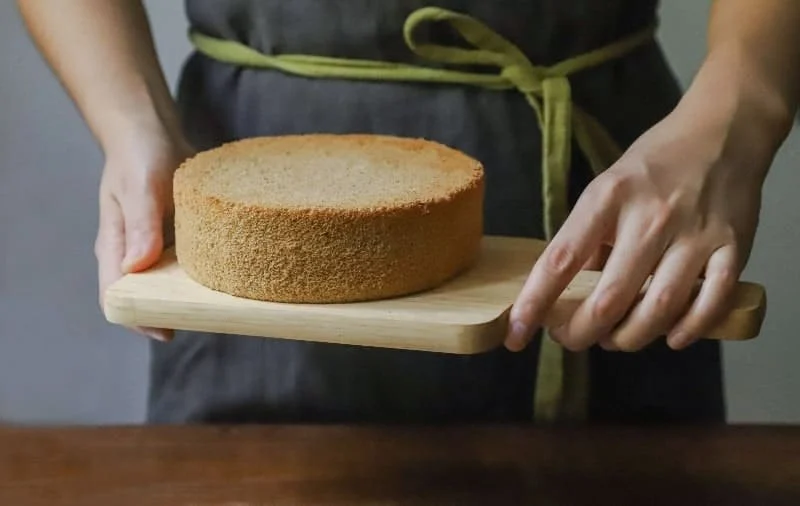
One of the most satisfying aspects of baking is watching your cake rise in the oven. The process of a cake rising is a fascinating combination of science and art. It primarily occurs due to the interaction between the leavening agents (baking powder, baking soda, etc.), the air incorporated into the batter, and the heat of the oven. As the batter heats up, gases are produced and trapped in the mixture, causing the cake to expand and rise.
Understanding how this process works is essential for bakers who want to avoid the disappointment of a cake that refuses to rise. The key to achieving that perfect rise is ensuring that all the elements—ingredients, proportions, and technique—are just right.

Black Rose European Bakery / black rose bakery menu
WestboroughWorcester CountyMassachusetts
232 Turnpike Rd, Westborough, MA 01581, USA
2-Common Reasons Why Your Cake Didn’t Rise
A flat cake can be frustrating, but identifying the cause of the issue can help you fix it. Here are some common reasons why cakes fail to rise:
- Expired Leavening Agents: If your baking powder or baking soda is old or expired, it won’t create the necessary gas to lift the batter. Always check the expiration date before using these ingredients.
- Incorrect Oven Temperature: An oven that is too cold will prevent your cake from rising properly. Conversely, an oven that’s too hot can cause the cake to rise too quickly, leading to collapse.
- Overmixing or Undermixing the Batter: Overmixing can incorporate too much air, leading to a dense texture. Undermixing can prevent the leavening agents from being distributed properly, resulting in a flat cake.
- Too Much or Too Little Liquid: The amount of liquid in the batter affects the cake’s rise. Too much liquid can make the batter too runny, while too little can make the batter too thick to rise properly.
3-The Role of Ingredients in Cake Rising
The key ingredients responsible for making a cake rise are leavening agents, such as baking powder or baking soda. These ingredients react with acids (like vinegar or buttermilk) or heat to produce carbon dioxide gas, which causes the batter to expand. The air you incorporate into the batter by beating eggs and creaming butter also helps with rising, as it creates small bubbles that expand during baking.
Flour is another important ingredient. The type of flour you use can affect how well the cake rises. All-purpose flour works for most cakes, but cakes made with cake flour, which has a lower protein content, tend to be lighter and fluffier. It’s essential to measure your ingredients accurately and follow the recipe instructions carefully to ensure that everything works together as it should.

4-The Importance of Baking Time and Temperature
Baking time and temperature play a critical role in how well a cake rises. If your oven is too hot, the cake may rise too quickly, causing it to collapse. If it’s too cool, the cake may not rise at all. It’s important to preheat your oven to the proper temperature before placing your cake inside. A common temperature for cakes is between 325°F to 350°F, but always check your recipe for specific guidelines.
Additionally, placing your cake on the center rack of the oven ensures that it cooks evenly. Make sure not to open the oven door too often, as this can cause the temperature to fluctuate, which may affect the cake’s rise.
5-How to Fix a Flat Cake: Tips and Tricks
If your cake hasn’t risen as expected, don’t give up just yet. There are a few fixes you can try to salvage it:
- Check the Leavening Agents: If you suspect that expired baking powder or baking soda was the culprit, you can try adding fresh leavening agents and mixing it again.
- Adjust the Oven Temperature: If your cake didn’t rise due to an oven that’s too hot or cold, try baking it at a slightly lower temperature next time to ensure an even rise.
- Use the Right Pan: The size and material of your cake pan can impact the cake’s rise. Use a pan with the right size for your recipe and ensure that it’s not too shallow.
6-Getting Perfect Cakes Every Time
To achieve the perfect cake every time, attention to detail is key. Always measure your ingredients accurately and follow the recipe instructions carefully. Ensure that your oven is properly preheated and that the temperature is consistent throughout the baking process. Using high-quality ingredients, such as fresh eggs, butter, and flour, can also make a big difference in the final product.
At Heavenly Delights Bakery, we understand the importance of these factors and use the best ingredients and techniques to create cakes that rise perfectly every time. If you’re in need of premium baking supplies or expert advice, visit our website to find everything you need for your next baking project.




 Everything Bagel4.0 (275 reviews)
 Barry Yummy Baked Goods5.0 (1 reviews)
 Just Bagels Mfg, Inc4.0 (75 reviews)
 Sweet Lich's4.0 (289 reviews)
 cake business0.0 (0 reviews)
 A & J Bakery4.0 (251 reviews)
 How to Bake the Best Classic Chocolate Chip Muffins at Home
 How to Bake Perfect Strawberry Rhubarb Muffins
 The Secret to Making the Fluffiest Pancakes Ever: Tips and Tricks for Perfect Pancakes
 How to Make the Best Butter Tarts from Scratch
 How to Bake Perfect Lemon Bars with a Shortbread Crust
 How to Make the Best Baklava with Pistachios and Honey: A Step-by-Step Guide