
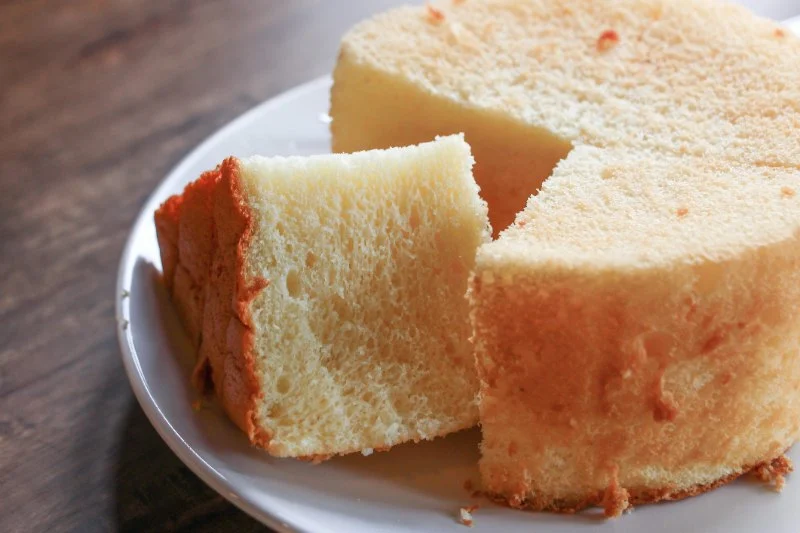
- -Understanding the Key Ingredients for a Soft and Fluffy Cake
- -The Importance of Mixing and Folding Techniques
- -How to Choose the Right Flour for Fluffy Cakes
- -Tips for Achieving the Perfect Cake Texture
- -Common Mistakes to Avoid When Baking a Soft Cake
- -Real-Life Examples of Successful Cake Recipes
- -How to Store and Serve Your Fluffy Cake
The Secret to Making a Perfectly Soft and Fluffy Cake
1. Understanding the Key Ingredients for a Soft and Fluffy Cake
Making a soft and fluffy cake isn’t just about following a recipe—it’s about understanding the role of each ingredient and how they work together to create the perfect texture. Here are the key ingredients that make all the difference.

Julius Sturgis Pretzel Bakery / pretzel factory lititz pa
LititzLancaster CountyPennsylvania
219 E Main St, Lititz, PA 17543, USA
1.1 The Role of Butter or Oil
Butter or oil is essential for creating a soft and moist cake. Fat helps to tenderize the cake, keeping it from being dry or crumbly. While butter gives a rich flavor, oil keeps the cake moist for a longer period of time.

L’Ami Bakery & Cafe / bakery in h mart
48-18 Northern Blvd, Long Island City, NY 11101, USA
1.2 The Importance of Eggs
Eggs are crucial for structure and aeration in your cake. They help bind the ingredients together while also helping the cake rise. Be sure to use eggs at room temperature to ensure they mix evenly into the batter.
1.2.1 Beating the Eggs
Whisking eggs properly can add air to the batter, which helps to create a light, fluffy texture. Beating the eggs well helps incorporate air and makes the cake rise during baking.
1.3 Leavening Agents: Baking Powder vs. Baking Soda
Baking powder and baking soda are both leavening agents that help the cake rise. Baking powder is typically used in cakes that don’t contain acidic ingredients, while baking soda is used in recipes with acidic ingredients like buttermilk or lemon juice.
2. The Importance of Mixing and Folding Techniques
How you mix the ingredients plays a significant role in the texture of your cake. Over-mixing can result in a dense, heavy cake, while under-mixing can leave lumps in the batter. Here are the techniques that can help you achieve the perfect cake.
2.1 The Right Mixing Method
When mixing the ingredients, it’s important to combine them gently. Start by creaming the butter and sugar until light and fluffy. Then, add the dry ingredients in small batches to avoid overworking the batter.
2.2 Folding the Ingredients
Folding is a technique used to gently incorporate ingredients without losing air from the batter. It’s especially important when adding whipped cream, egg whites, or any other aerated mixture. This will help maintain the lightness of the batter.
2.2.1 Avoid Over-Mixing
Over-mixing the batter after adding the flour can develop gluten, which can lead to a tough cake. Mix just until the ingredients are combined for the best results.
3. How to Choose the Right Flour for Fluffy Cakes
The type of flour you use can significantly affect the texture of your cake. Here’s how to choose the right flour for a soft and fluffy result.
3.1 All-Purpose Flour
All-purpose flour is the most commonly used flour in cake recipes. It has a moderate protein content, making it versatile for different types of cakes. However, for the softest texture, you might want to use cake flour instead.
3.2 Cake Flour
Cake flour is made from a softer wheat, and it has a lower protein content than all-purpose flour. This results in a finer crumb and a softer texture. If you want a light, fluffy cake, cake flour is your best option.
3.2.1 How to Substitute Cake Flour
If you don’t have cake flour on hand, you can substitute it by using a combination of all-purpose flour and cornstarch. For every cup of cake flour, replace it with 1 cup of all-purpose flour minus 2 tablespoons, then add 2 tablespoons of cornstarch.
4. Tips for Achieving the Perfect Cake Texture
Achieving the perfect texture for your cake involves paying attention to small details. Here are some tips to ensure your cake comes out soft and fluffy every time.
4.1 Use Room Temperature Ingredients
When baking, always use room temperature ingredients, including eggs, butter, and milk. Cold ingredients can cause the batter to seize up, resulting in an uneven texture. Let your ingredients sit at room temperature for about 30 minutes before mixing.
4.2 Don’t Overfill the Pan
When pouring the batter into the cake pan, fill it only halfway to two-thirds full. Overfilling the pan can cause the batter to overflow or bake unevenly.
4.2.1 Baking Time and Temperature
Bake your cake at the temperature specified in the recipe, and be sure to check it with a toothpick or cake tester to make sure it’s fully baked. If the toothpick comes out clean, your cake is ready.
5. Common Mistakes to Avoid When Baking a Soft Cake
Baking can be tricky, and even small mistakes can affect the final result. Here are some common mistakes to avoid to ensure your cake comes out soft and fluffy.
5.1 Over-Mixing the Batter
Over-mixing the batter after adding flour can create too much gluten, which leads to a dense cake. Always mix just until the ingredients are combined.
5.2 Not Sifting the Dry Ingredients
Sifting your dry ingredients like flour and baking powder ensures they’re evenly distributed in the batter. This helps prevent lumps and results in a smoother, fluffier texture.
5.2.1 Skipping the Preheating
Make sure your oven is preheated to the correct temperature before placing the cake in. A cold oven can lead to uneven baking and affect the rise of the cake.
6. Real-Life Examples of Successful Cake Recipes
Many home bakers have mastered the art of making the perfect soft and fluffy cake. Here are some success stories that offer insights into how they achieved their baking goals.
6.1 A Family’s Secret Recipe
One family shared their secret to a perfectly fluffy cake—incorporating whipped egg whites into the batter. This simple technique allowed them to achieve an incredibly light texture, and it became a tradition in their baking.
6.2 A Beginner’s First Fluffy Cake
A beginner baker found success by using cake flour and not over-mixing the batter. They learned the importance of room temperature ingredients and baking at the right temperature, which resulted in their first-ever perfect fluffy cake.
6.2.1 Key Takeaways
These stories show how small adjustments, such as using the right flour or mixing technique, can lead to the best results. Don’t be afraid to experiment and find what works best for your cake.
7. How to Store and Serve Your Fluffy Cake
Once your cake is baked, you’ll want to store and serve it properly to keep it fresh and delicious. Here are some tips:
7.1 Serving the Cake
Serve your cake at room temperature, and consider pairing it with fresh fruit, whipped cream, or a scoop of ice cream. A well-served cake can be even more enjoyable when complemented by other flavors.
7.2 Storing Leftover Cake
To store leftover cake, wrap it tightly in plastic wrap or store it in an airtight container. It will stay fresh for up to 3-4 days at room temperature or up to a week in the refrigerator.
Now that you know the secrets to making a perfectly soft and fluffy cake, it’s time to start baking! For more tips, tools, and ingredients, visit Jeuns TKD Hub for all your baking needs. Happy baking!



 Nagoya Bakery4.0 (25 reviews)
 The Quantum Baker0.0 (0 reviews)
 Valerio's Tropical Bake Shop4.0 (43 reviews)
 Manny's Bakeshop & Restaurant4.0 (19 reviews)
 Nanding's Bakery4.0 (368 reviews)
 Aloha Sunrise Granola5.0 (5 reviews)
 Bakery Celebration Cake Pickup: Size, Travel, and Timing
 Bakery Bread Storage: Crust, Moisture, and Freezing Guide
 Bakery Reservation Notes: Time, Party, Access, and Contact
 Bakery Menu Portion Chec: A Heavenly Delights Bakery Reader Guide
 Bakery Service Charge Check: Bill, Tips, and Group Split
 Bakery Texture Guide: A Practical US Checklist