
- 1. Why Soft and Fluffy Cakes Matter
- 2. The Science Behind a Fluffy Cake
- 3. Key Tips to Achieve Fluffiness
- 4. Common Mistakes to Avoid
- 5. The Perfect Cake Recipe
- 6. How to Maintain Softness After Baking
The Secret to Making a Soft and Fluffy Cake Every Time
1. Why Soft and Fluffy Cakes Matter
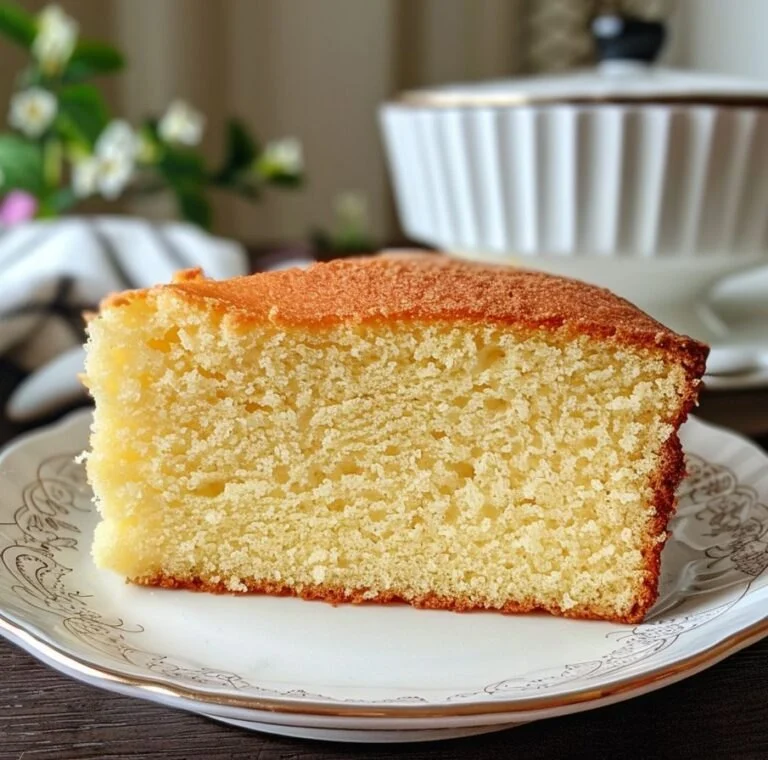
There’s nothing quite like a light, soft, and fluffy cake that practically melts in your mouth. Whether you're baking for a special occasion or simply satisfying your sweet tooth, achieving the perfect cake texture can elevate any recipe. But what makes a cake soft and fluffy? It’s all about the right balance of ingredients, techniques, and understanding how each element works together. In this guide, we’ll break down the secrets to achieving that perfect texture every time.

Nothing Bundt Cakes / nothing bundt cake boston
NewtonMiddlesex CountyMassachusetts
170 Needham St, Newton, MA 02464, USA
2. The Science Behind a Fluffy Cake
Making a soft and fluffy cake isn’t just about following a recipe — it’s also about understanding the science behind it. When baking, ingredients like flour, sugar, butter, and eggs interact to create the cake's structure and texture. The key to a fluffy cake is incorporating air into the batter, which helps it rise and become light. This is achieved through techniques such as creaming the butter and sugar, folding in dry ingredients gently, and using the right leavening agents. Understanding how these components work together is the first step in mastering cake-making.

Calise & Sons Bakery / calise bread
LincolnProvidence CountyRhode Island
2 Quality Dr, Lincoln, RI 02865, USA
3. Key Tips to Achieve Fluffiness
Achieving a soft and fluffy cake isn’t hard if you follow these essential tips:
- Use Room Temperature Ingredients: Ensure that butter, eggs, and milk are at room temperature before you begin. Cold ingredients can lead to dense cakes that lack fluffiness.
- Don’t Overmix the Batter: Overmixing can cause the cake to be tough. Mix until the ingredients are just combined to avoid activating too much gluten.
- Measure Ingredients Properly: Accurate measurements are essential. Too much flour can make the cake dense, while too little can cause it to collapse.
- Incorporate Air: Whisking or beating the batter properly will trap air inside, helping the cake rise and become fluffy.
- Use the Right Leavening Agent: Make sure you’re using the correct amount of baking powder or baking soda for the recipe. These are responsible for the cake’s rise.
4. Common Mistakes to Avoid
Even the most experienced bakers can make mistakes that affect the texture of the cake. Here are some common pitfalls to avoid:
- Using Cold Ingredients: Starting with cold butter or eggs can result in uneven batter and dense cake.
- Overmixing the Batter: While mixing is important, overmixing can lead to a tough, dense texture.
- Underbaking: If the cake is removed from the oven too early, it can be raw in the center and fail to rise properly.
- Using Old Leavening Agents: Old or expired baking powder or soda won’t give the cake the lift it needs to be light and fluffy.
5. The Perfect Cake Recipe
Now that you know the science and techniques behind a fluffy cake, here’s a simple recipe that will give you the perfect cake every time. This cake uses ingredients you probably already have at home and follows all the necessary steps to create a light, soft, and delicious cake.
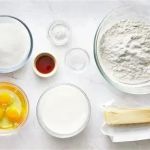
Ingredients: - 2 cups all-purpose flour - 1 1/2 cups sugar - 1/2 cup unsalted butter (softened) - 3 large eggs (room temperature) - 1 cup milk (room temperature) - 2 teaspoons baking powder - 1 teaspoon vanilla extract - 1/4 teaspoon salt Instructions: 1. Preheat the oven to 350°F (175°C) and grease your cake pans. 2. Cream together the butter and sugar until light and fluffy. 3. Add the eggs one at a time, beating well after each addition. 4. Sift the flour, baking powder, and salt together, then add to the butter mixture in batches, alternating with the milk. 5. Mix until just combined, then pour the batter into the pans. 6. Bake for 25-30 minutes or until a toothpick comes out clean. 7. Allow the cake to cool before frosting or serving.
6. How to Maintain Softness After Baking
To ensure your cake stays soft and fresh for longer, follow these tips:
- Cover the Cake: Keep your cake covered with plastic wrap or store it in an airtight container to retain moisture.
- Keep It at Room Temperature: Storing your cake in the fridge can dry it out. Instead, keep it at room temperature for a few days.
- Frost for Extra Softness: Adding frosting can help lock in moisture and add a layer of flavor.




 Einstein Bros. Bagels3.0 (46 reviews)
 Sam's Club Bakery4.0 (8 reviews)
 CAKES AND DESSERTS BY MICHELE LLC5.0 (11 reviews)
 The Love Bakery - ONLINE ORDERS ONLY.5.0 (44 reviews)
 Silos Bakery4.0 (76 reviews)
 PG Cakes3.0 (4 reviews)
 How to Make the Best Homemade Brioche
 What Makes a Perfect Muffin? Tips from Top Bakers
 How to Make Bakery-Style Cinnamon Sugar Pretzels at Home
 The Science of Baking: Why Some Cakes Rise and Others Don’t
 How to Use Baking Techniques from the Pros at Home for Perfect Results
 The Best Bakeries That You Have to Visit