
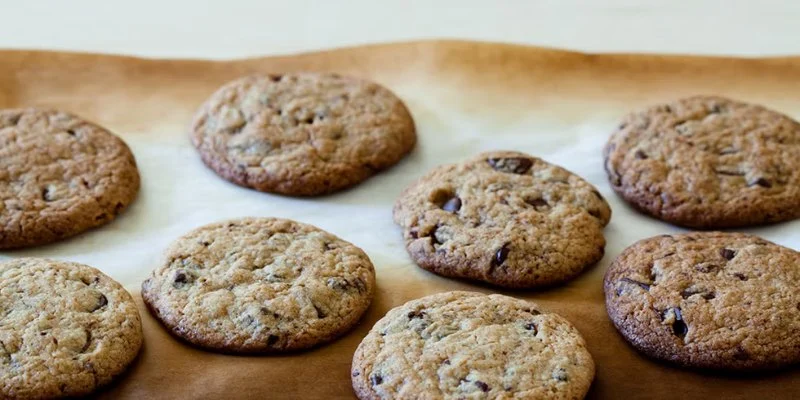
The Top 5 Gluten-Free Baking Mistakes to Avoid
Baking without gluten can be tricky, but with the right techniques, it’s possible to create delicious treats that everyone can enjoy. Whether you're new to gluten-free baking or you're a seasoned pro, avoiding common mistakes can make all the difference in the success of your recipes. In this article, we’ll explore the top 5 gluten-free baking mistakes to avoid and share tips to help you achieve bakery-quality results every time.

Julius Sturgis Pretzel Bakery / pretzel factory lititz pa
LititzLancaster CountyPennsylvania
219 E Main St, Lititz, PA 17543, USA
1. Using the Wrong Gluten-Free Flour Blend
One of the most common mistakes in gluten-free baking is using a single type of gluten-free flour instead of a blend. Gluten-free flours, such as rice flour or almond flour, behave very differently than wheat flour and can result in baked goods that are dry, crumbly, or dense. The key to great gluten-free baking is using the right combination of flours.
To get the best results, opt for a gluten-free flour blend that includes a combination of starches (like potato starch or cornstarch) and whole grain flours (such as sorghum or brown rice flour). You can also experiment with flour combinations depending on your recipe to achieve the desired texture and flavor.

L’Ami Bakery & Cafe / bakery in h mart
48-18 Northern Blvd, Long Island City, NY 11101, USA
2. Not Adding Enough Binding Agents
In traditional baking, gluten acts as a binder to hold ingredients together. In gluten-free baking, however, you need to use alternative binding agents to replicate the structure and texture that gluten provides. A common mistake is not using enough of these ingredients, which can lead to crumbly or falling-apart baked goods.
Common binding agents in gluten-free baking include xanthan gum, guar gum, and psyllium husk. Be sure to measure these ingredients correctly and follow your recipe's recommendations. A general rule of thumb is to use about 1 teaspoon of xanthan gum per cup of gluten-free flour for most recipes. This helps create elasticity and keeps your baked goods from crumbling.
3. Not Measuring Ingredients Correctly
One of the golden rules of baking is precise measurements, and this is even more important in gluten-free baking. Since gluten-free flours behave differently from wheat flour, measuring your ingredients correctly can significantly impact the texture and taste of your final product. For example, using too much flour can result in dry, dense baked goods, while too little flour can make them too wet or gooey.
For best results, invest in a kitchen scale and weigh your ingredients. This ensures you get the exact amounts needed for your recipe. If you don’t have a scale, make sure to spoon the flour into your measuring cups and level it off with a flat edge. Never scoop the flour directly from the bag, as it can compact and result in inaccurate measurements.
4. Not Allowing Your Dough or Batter to Rest
Many gluten-free recipes require the dough or batter to rest before baking, and not allowing this step to happen can lead to disappointing results. Resting the dough helps the flour absorb moisture and allows the binding agents to work their magic. If you skip this step, you may end up with a product that doesn’t rise properly or lacks the texture you’re hoping for.
Allow your dough or batter to rest for at least 15-30 minutes, or as specified in the recipe. This will help improve the texture and structure of your baked goods and ensure they hold together better during baking.
5. Overmixing the Batter
When making gluten-free cakes, cookies, or muffins, it’s essential not to overmix the batter. Unlike wheat flour, gluten-free flour doesn't form the same type of structure when mixed, and overmixing can cause your baked goods to become tough or dense. This is especially true for recipes that call for eggs, as overmixing can lead to a rubbery texture.
To avoid this mistake, mix your ingredients until just combined. Use a gentle hand and avoid using a high-speed mixer, which can easily overmix the batter. If you need to incorporate dry ingredients into wet ingredients, fold them in gently until there are no visible streaks of flour.
Conclusion
Gluten-free baking doesn’t have to be intimidating, and with a few key tips and tricks, you can achieve delicious results every time. By avoiding these common mistakes—choosing the right flour blend, using the correct binding agents, measuring ingredients accurately, allowing dough to rest, and mixing carefully—you’ll be well on your way to baking success.
At Heavenly Delights Bakery, we offer a wide variety of gluten-free baking supplies and expert tips to help you with all your baking needs. Visit our website for more helpful resources and the best gluten-free products!

 Nagoya Bakery4.0 (25 reviews)
 The Quantum Baker0.0 (0 reviews)
 Valerio's Tropical Bake Shop4.0 (43 reviews)
 Manny's Bakeshop & Restaurant4.0 (19 reviews)
 Nanding's Bakery4.0 (368 reviews)
 Aloha Sunrise Granola5.0 (5 reviews)
 Bakery Service Charge Check: Bill, Tips, and Group Split
 Bakery Texture Guide: A Practical US Checklist
 Bakery Cake Quote: Size, Design, Pickup, and Allergen Notes
 Bakery Bread Crumb Check: Freshness, Cutting, and Serving
 Bakery Cupcake Pickup: Count, Box, and Safe Transport
 Bakery Whole-Grain Bread: Ingredients, Texture, and Freshness