
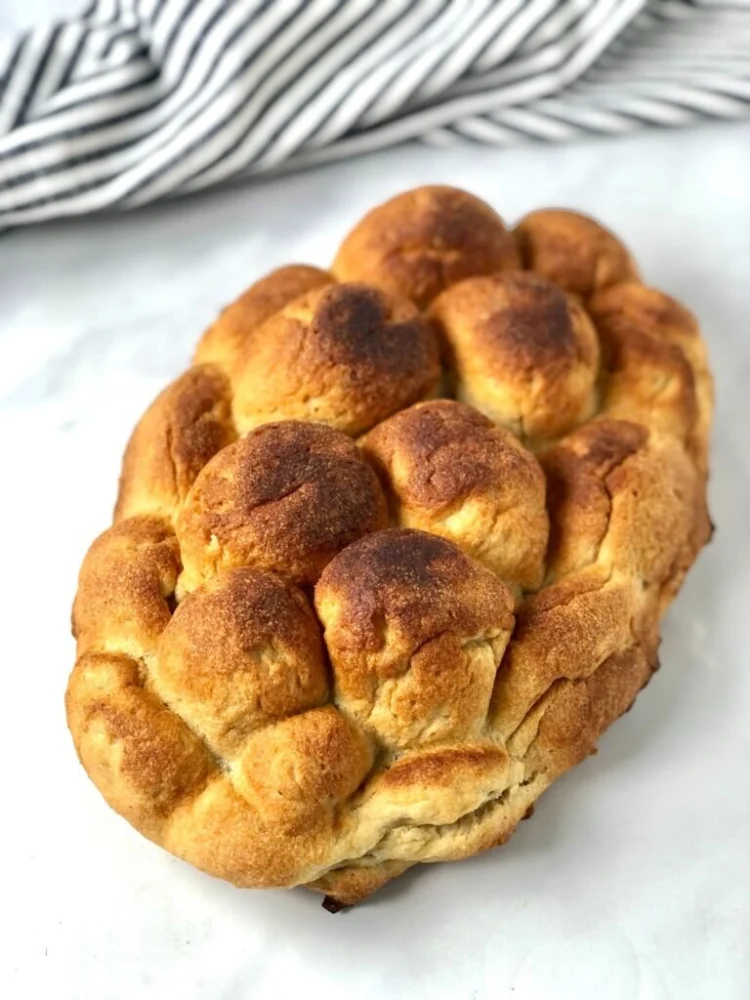
- 1. Introduction to Gluten-Free Baking
- 2. Key Tips for Perfect Gluten-Free Baking
- 3. Understanding Gluten-Free Flours
- 4. How to Achieve the Perfect Texture in Gluten-Free Goods
- 5. The Role of Binding Agents in Gluten-Free Baking
- 6. Real-Life Examples: Gluten-Free Baking Success Stories
1. Introduction to Gluten-Free Baking
Gluten-free baking can be a challenge, especially for those used to working with traditional wheat flour. But with the right techniques and ingredients, you can achieve delicious results that are just as satisfying. Whether you're baking for health reasons, dietary restrictions, or just exploring a new culinary adventure, understanding the basics of gluten-free baking is key to success.
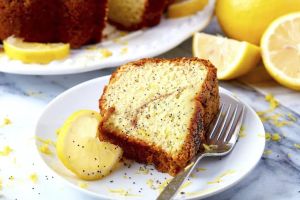
My Grandma's of New England / my grandma's coffee cake near me
BostonSuffolk CountyMassachusetts
1636 Hyde Park Ave, Boston, MA 02136, USA
2. Key Tips for Perfect Gluten-Free Baking
One of the most important things to know about gluten-free baking is that it requires a bit of adaptation. Here are some tips that will help you create perfect gluten-free baked goods:

2.1 Don’t Expect the Same Results as Wheat Flour
Gluten-free flours behave differently than wheat flour, so it’s important to adjust your expectations. Your dough or batter might be stickier, and the final texture can vary. Experimenting with different recipes and understanding how each gluten-free flour works will help you make the best choices for your baking.
2.2 Use the Right Tools
Gluten-free baked goods can be more delicate, so having the right tools is essential. A good stand mixer, parchment paper, and silicone spatulas can make a huge difference in the outcome of your recipe.
3. Understanding Gluten-Free Flours
There are many types of gluten-free flours available, each with unique properties. Let’s take a look at some of the most common gluten-free flours and how to use them effectively in baking:
3.1 Almond Flour
Almond flour is made from finely ground almonds and is great for adding moisture and richness to baked goods. It's often used in recipes for cookies, cakes, and muffins.
3.2 Rice Flour
Rice flour is a versatile gluten-free flour that provides structure to gluten-free baking. It's often used as a base in many gluten-free flour blends.
3.3 Coconut Flour
Coconut flour is highly absorbent, so you’ll need to adjust the amount of liquid in your recipes when using it. It adds a mild coconut flavor and works well in cakes and cookies.
3.4 Sorghum Flour
Sorghum flour is a great addition to gluten-free baking because it provides a mild flavor and a bit of structure. It’s often used in combination with other gluten-free flours.
4. How to Achieve the Perfect Texture in Gluten-Free Goods
Getting the right texture in gluten-free baked goods can be tricky, but it’s all about using the right combination of ingredients and techniques:
4.1 Use Xanthan Gum or Guar Gum
These binding agents help provide structure and elasticity in gluten-free baked goods. They are essential for giving your cakes and bread a chewy, satisfying texture.
4.2 Don’t Overmix Your Batter
Unlike wheat-based doughs, gluten-free dough doesn’t need to be overworked. Mixing your batter just until combined can help avoid a dense or tough texture.
4.3 Let Your Dough Rest
Allowing your dough to rest for at least 30 minutes before baking can help the flours fully hydrate, which will result in a better texture and flavor.
5. The Role of Binding Agents in Gluten-Free Baking
Since gluten is a natural binder, gluten-free recipes rely on alternative binding agents to hold everything together. Here’s a breakdown of the most common binding agents:
5.1 Eggs
Eggs are one of the most common binding agents in gluten-free baking. They provide structure, moisture, and richness to your baked goods.
5.2 Flaxseed Meal
Flaxseed meal is often used as a vegan alternative to eggs. When mixed with water, it creates a gel-like consistency that binds the ingredients together.
5.3 Psyllium Husk
Psyllium husk is another great gluten-free binder that adds fiber and helps improve the texture of gluten-free bread and rolls.
6. Real-Life Examples: Gluten-Free Baking Success Stories
Many bakeries and home bakers have successfully mastered gluten-free baking. Here are a few success stories that showcase the versatility and deliciousness of gluten-free treats:
6.1 Heavenly Delights Bakery: A Gluten-Free Success
Heavenly Delights Bakery has become a well-known name in the gluten-free baking world. With a focus on using organic ingredients and a variety of gluten-free flours, they have earned a loyal following. Their gluten-free cookies and cakes are so good, even non-gluten-free eaters can’t resist.
6.2 The Gluten-Free Revolution at Home
Many home bakers are taking on the challenge of gluten-free baking. With the help of resources and trial and error, they’re creating everything from gluten-free pizza crusts to decadent desserts that rival traditional baked goods.
7. Conclusion: The Joy of Gluten-Free Baking
Gluten-free baking may seem intimidating at first, but with the right knowledge and ingredients, it can become a rewarding experience. Experimenting with different flours, binding agents, and techniques can lead to delicious results that everyone can enjoy. Whether you’re baking for health reasons or just trying something new, these gluten-free baking hacks will help you create tasty treats that are both satisfying and safe for those with gluten sensitivities.
 Walmart Bakery4.0 (3 reviews)
 Chickadee Hill Cakes5.0 (47 reviews)
 Cinnabon4.0 (88 reviews)
 Crowley Cupcakes4.0 (113 reviews)
 Einstein Bros. Bagels4.0 (351 reviews)
 Miss Peaches | World Famous Peach Cobbler | Made To Order Service4.0 (70 reviews)
 How to Make Homemade Apple Cider Donuts | Easy Fall Recipe
 How to Make the Best Homemade Honey Buns
 How to Make Bakery-Style Cinnamon Sugar Biscuits
 How to Make the Best Fruit and Nut Granola Bars
 The Secret to Baking the Perfect Fruit Cake: Tips and Techniques
 How to Bake the Best Crusty Artisan Bread in a Dutch Oven – A Step-by-Step Guide