
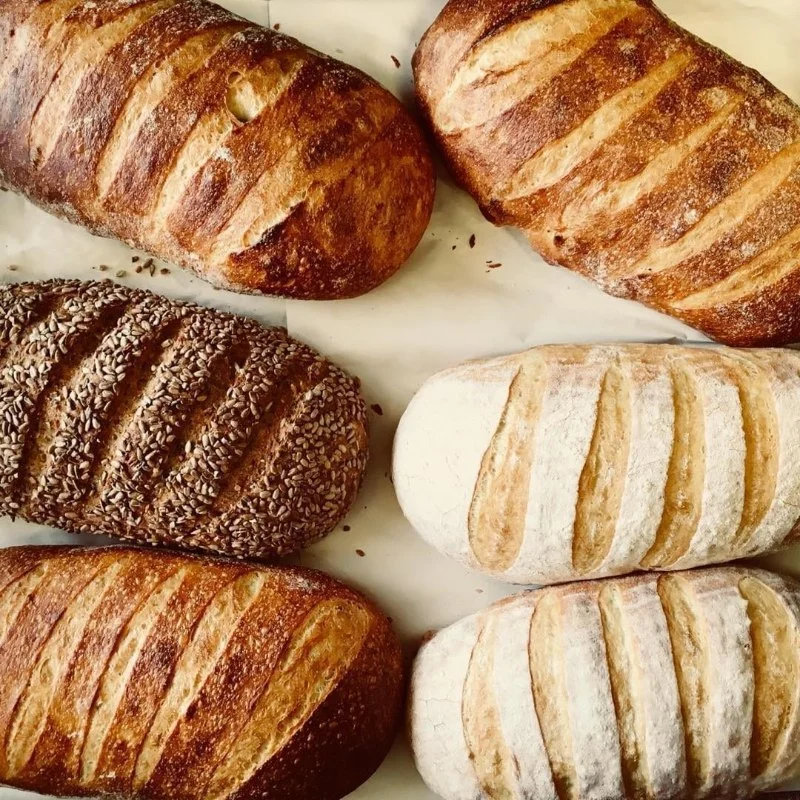
What Makes Artisan Breads Special and Why They're Worth the Extra Cost
- 1. What Are Artisan Breads?
- 2. Why Are Artisan Breads More Expensive?
- 3. Benefits of Artisan Breads
- 4. How Are Artisan Breads Made?
- 5. Are Artisan Breads Worth the Extra Cost?
1. What Are Artisan Breads?
Artisan breads are handcrafted loaves that focus on quality, craftsmanship, and unique flavors. Unlike mass-produced bread, which often contains preservatives and additives, artisan breads are made using traditional methods and high-quality ingredients. These breads are typically produced in smaller batches by skilled bakers who pay close attention to every step of the process.
One of the defining characteristics of artisan bread is the absence of industrial machinery. The dough is often mixed and shaped by hand, which allows for a more personal touch and attention to detail. This makes each loaf unique, with slight variations in texture and taste.

2. Why Are Artisan Breads More Expensive?
Artisan breads are generally more expensive than commercially produced bread for several reasons:

D'Elia's Bakery & Grinder Shop / delias bakery
NorwichSoutheastern Connecticut Planning RegionConnecticut
272 Franklin St, Norwich, CT 06360, USA
2.1 High-Quality Ingredients
Artisan bakers use premium ingredients, such as organic flour, natural yeast, and whole grains, which are often more costly than the processed ingredients found in standard bread. The choice of ingredients directly impacts the final taste and texture of the bread.
2.2 Time-Consuming Process
Unlike mass-produced bread, which is made quickly in factories, artisan bread requires time and patience. The dough often undergoes a slow fermentation process that can take several hours or even days. This extended fermentation enhances the flavor and texture of the bread, but also increases production costs.
2.3 Small-Scale Production
Artisan bread is typically made in smaller batches, which means there are fewer economies of scale. The higher cost per loaf reflects the smaller volume of production and the greater attention to detail that goes into each loaf.
3. Benefits of Artisan Breads
There are many reasons to choose artisan bread over mass-produced options, including:
3.1 Superior Flavor
Artisan bread is known for its rich, complex flavors. The extended fermentation process allows the bread to develop a depth of taste that is often lacking in factory-made breads. Whether it's the nutty, slightly tangy flavor of sourdough or the buttery richness of a brioche, artisan breads offer a more enjoyable eating experience.
3.2 Better Texture
Artisan bread typically has a more appealing texture. It is often denser and chewier, with a crisp, golden crust that adds to its appeal. The handcrafting process allows for more variation in texture, making each loaf unique and satisfying to eat.
3.3 Fewer Additives
Unlike many commercial breads that rely on preservatives, emulsifiers, and artificial flavors, artisan breads use only natural ingredients. This makes them a healthier option, with fewer artificial additives and chemicals.
4. How Are Artisan Breads Made?
The process of making artisan bread is quite different from that of mass-produced bread. Here's an overview of how these delicious loaves are crafted:
4.1 Sourcing Ingredients
Artisan bakers carefully select their ingredients, often choosing organic flours and locally sourced grains. They may also use natural sourdough starters, which contribute to the bread's flavor profile.
4.2 Mixing and Kneading the Dough
Once the ingredients are gathered, the dough is mixed and kneaded by hand. This process is often slower and more intentional than the automated processes used in factories. Bakers ensure that the dough is developed properly to achieve the ideal texture and flavor.
4.3 Fermentation and Proofing
Artisan breads typically undergo a slow fermentation process, which can last from several hours to a few days. During this time, natural yeast ferments the dough, giving it a complex flavor and improving the texture.
4.4 Baking
The dough is then baked at a high temperature, often in a wood-fired oven. This imparts a unique crust and enhances the flavors of the bread.
5. Are Artisan Breads Worth the Extra Cost?
While artisan breads are more expensive than commercially produced options, the quality, taste, and health benefits make them a worthwhile investment for many bread lovers. The rich flavor, superior texture, and use of high-quality, natural ingredients make artisan breads a treat that is worth savoring. If you're someone who appreciates the craftsmanship and artistry behind food, artisan breads are definitely worth the extra cost.
Whether you're enjoying a crusty sourdough loaf with your morning coffee or indulging in a soft, buttery brioche for dessert, artisan bread adds a touch of luxury to your meals. For those who truly care about the quality of their food, it's an investment that pays off with every bite. To explore more and find the best artisan bread near you, check out our curated selection at Dine Droop.



 Einstein Bros. Bagels3.0 (46 reviews)
 Sam's Club Bakery4.0 (8 reviews)
 CAKES AND DESSERTS BY MICHELE LLC5.0 (11 reviews)
 The Love Bakery - ONLINE ORDERS ONLY.5.0 (44 reviews)
 Silos Bakery4.0 (76 reviews)
 PG Cakes3.0 (4 reviews)
 How to Make the Best Homemade Brioche
 What Makes a Perfect Muffin? Tips from Top Bakers
 How to Make Bakery-Style Cinnamon Sugar Pretzels at Home
 The Science of Baking: Why Some Cakes Rise and Others Don’t
 How to Use Baking Techniques from the Pros at Home for Perfect Results
 The Best Bakeries That You Have to Visit