
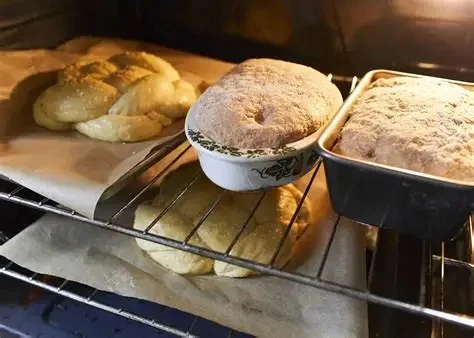
1. Why You Should Try Baking Your Own Bread
Baking your own bread has become a popular trend in recent years, and for good reason. While buying bread from the store is convenient, making it yourself offers several advantages. From the satisfaction of creating something from scratch to the control over ingredients and flavors, there are many reasons why baking your own bread is worth the effort. In this article, we’ll explore why you should consider baking your own bread instead of buying pre-made options.
2. Benefits of Homemade Bread
There are numerous benefits to baking your own bread that you can’t get from store-bought loaves. Let's dive into some of the key advantages:

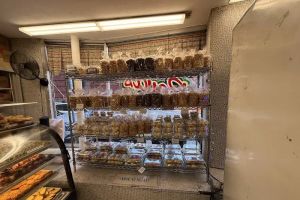
Je T’aime Patisserie / jetaime patisserie
471 Marcus Garvey Blvd, Brooklyn, NY 11216, USA
2.1. Control Over Ingredients
When you bake your own bread, you have complete control over the ingredients. This means you can choose high-quality, organic ingredients, avoid preservatives and artificial additives, and tailor the bread to your specific dietary needs. Whether you prefer whole wheat, gluten-free, or low-sugar options, you can make your bread to suit your preferences.
2.2. Freshness and Flavor
There’s nothing quite like the taste and aroma of freshly baked bread. The texture is soft, and the flavor is far superior to anything you’ll find in a store. Homemade bread is often more flavorful and moist because it hasn’t been sitting on the shelf for days. The added bonus? You get to enjoy the process of baking and the incredible smell of bread baking in your oven.
2.3. Cost-Effectiveness
While the initial cost of baking bread at home may seem higher due to the purchase of ingredients, it’s actually much more cost-effective in the long run. Ingredients like flour, yeast, and water are relatively inexpensive, and you can bake multiple loaves for the price of one store-bought loaf. Over time, baking your own bread can save you a significant amount of money, especially if you consume bread frequently.
2.4. Healthier Option
Store-bought bread often contains added sugars, preservatives, and unhealthy fats. By baking your own bread, you can make healthier choices and avoid these additives. Homemade bread can be made with whole grains, healthier oils, and natural sweeteners, making it a more nutritious option for you and your family.
3. Homemade Bread vs. Store-Bought Bread
While store-bought bread is quick and easy, it often lacks the quality, flavor, and nutritional value of homemade bread. Let’s compare the two:
3.1. Taste and Texture
Store-bought bread can sometimes taste bland or overly processed, especially when it’s packed with preservatives to extend its shelf life. Homemade bread, on the other hand, is warm, soft, and packed with flavor. The texture of freshly baked bread is light and airy, making each bite more satisfying.
3.2. Nutritional Value
Store-bought bread can often be high in refined flour, sugar, and sodium, while homemade bread allows you to use whole grains, seeds, and natural sweeteners. This makes homemade bread a healthier choice. You also have control over the amount of salt or sugar used, so you can tailor the recipe to your dietary needs.
3.3. Variety and Customization
When you bake your own bread, the possibilities are endless. You can experiment with different types of flour, herbs, and spices to create unique flavors that store-bought bread can’t match. Whether you like your bread with rosemary, garlic, or even chocolate chips, you can create a personalized loaf that suits your taste perfectly.
4. Tips for Baking Your Own Bread
If you’re ready to start baking your own bread, here are a few tips to help you succeed:
4.1. Start with Easy Recipes
If you’re new to baking bread, begin with simple recipes that require minimal ingredients and effort. Classic white bread or basic whole wheat bread is a great starting point. Once you’re comfortable with the process, you can move on to more advanced recipes and experiment with flavors and textures.
4.2. Invest in Quality Tools
While you don’t need a lot of specialized equipment to bake bread, having a few key tools can make the process easier and more enjoyable. Consider investing in a good-quality bread pan, a dough scraper, and a digital kitchen scale for accurate measurements. A bread maker or stand mixer can also save time and effort if you bake frequently.
4.3. Be Patient
Baking bread requires patience, especially when it comes to the rising and proofing process. Allow your dough the time it needs to rise and develop flavor. Rushing through this step can result in dense, unappetizing bread. Trust the process and enjoy the rewards of your hard work!
5. Explore Products and Resources at Jeuns TKD Hub
If you’re passionate about baking and looking for the best tools and resources, visit Jeuns TKD Hub. We offer a variety of baking tools and ingredients that can help you create the perfect loaf of bread. Whether you need premium flour, specialty seeds, or high-quality baking equipment, we have everything you need to get started on your bread-baking journey.



 Auntie Anne's3.0 (111 reviews)
 Java Joe's Bagels3.0 (503 reviews)
 Gerrie’s Cheesecakes4.0 (15 reviews)
 Bonito Michoacán4.0 (883 reviews)
 Gluten-free restaurant0.0 (0 reviews)
 Van Bakery Int.4.0 (57 reviews)
 How to Make Bakery-Style Peach Tart with a Flaky Crust
 How to Make the Best Chocolate Raspberry Tart: Step-by-Step Guide
 Why Freshly Baked Pies from Your Local Bakery Are Always Better
 How to Make Bakery-Style Coconut Macaroons That Melt in Your Mouth
 The History of the Croissant: From France to Your Kitchen
 How to Make Bakery-Style Churros with a Cinnamon Sugar Coating