
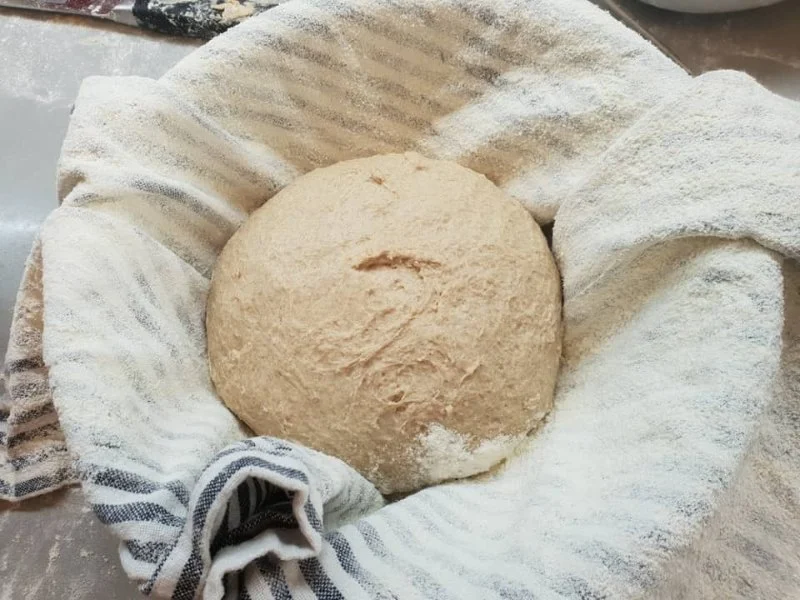
Understanding Why Your Bakery Bread Doesn’t Rise
When you bake bread at home, nothing is more frustrating than waiting for your dough to rise, only to find that it hasn’t risen as expected. A flat loaf or dense bread can ruin the whole baking experience, and you may be left wondering what went wrong. The science behind why your bakery bread doesn’t rise is complex, but with a little understanding of the process, you can identify and fix the issue. Let’s dive into the common reasons and how to fix them.

Julius Sturgis Pretzel Bakery / pretzel factory lititz pa
LititzLancaster CountyPennsylvania
219 E Main St, Lititz, PA 17543, USA
1. Common Reasons Why Bakery Bread Doesn’t Rise
- Yeast Problems: The Key Ingredient
- Flour Quality and Quantity: How It Affects the Rise
- Dough Temperature: The Ideal Environment for Rising
- Kneading: Why It’s Important for Proper Gluten Formation
1.1 Yeast Problems: The Key Ingredient
Yeast is the primary agent responsible for causing your bread to rise. It feeds on the sugars in the dough and releases carbon dioxide, which causes the dough to expand. However, yeast can only work effectively if it’s in good condition. If your yeast is old, expired, or stored incorrectly, it may not produce enough gas to raise the dough.
To fix yeast problems, always check the expiration date of your yeast before using it. Additionally, ensure that you store yeast in a cool, dry place, away from direct sunlight. If you’re using active dry yeast, remember to dissolve it in warm water (not hot) before mixing it into your dough. This ensures that the yeast becomes active and starts working properly.

L’Ami Bakery & Cafe / bakery in h mart
48-18 Northern Blvd, Long Island City, NY 11101, USA
1.2 Flour Quality and Quantity: How It Affects the Rise
The type of flour you use plays a significant role in the success of your bread. Not all flours are created equal, and using the wrong type can lead to disappointing results. For example, bread flour, which has a higher protein content, is best for making bread as it helps to form gluten, giving the dough structure and elasticity.
If your bread isn’t rising, check if you’re using the right flour. Too little flour can also result in dough that’s too sticky and difficult to rise. Make sure you measure your flour correctly using a kitchen scale for accuracy, as too much or too little flour can alter the dough’s texture and rise.
1.3 Dough Temperature: The Ideal Environment for Rising
Temperature is one of the most crucial factors in bread rising. Yeast thrives in a warm environment, but if the dough is too cold, the yeast will become inactive, and your bread won’t rise as expected. On the other hand, if the dough is too hot, the yeast may die off, preventing the rise altogether.
To create the ideal environment for rising, aim for a dough temperature between 75°F and 80°F (24°C to 27°C). If your kitchen is cold, place the dough in a warm, draft-free area, or use the oven with just the light on to create a warm space. Alternatively, a proofing box can provide a consistent temperature for your dough to rise properly.
1.4 Kneading: Why It’s Important for Proper Gluten Formation
Kneading is essential for developing gluten, which gives your bread dough structure and helps it trap the gases produced by yeast. Without proper kneading, your bread will lack the elasticity needed to rise properly and create the airy texture you’re aiming for.
If your dough isn’t rising well, it might not have been kneaded enough. Aim to knead your dough for about 8-10 minutes until it becomes smooth and elastic. If you’re unsure, use the “windowpane test”: stretch a small piece of dough between your fingers; if it forms a thin, translucent membrane without tearing, your dough is ready.
2. How to Fix Bread That Doesn’t Rise
- Ensure Proper Yeast Activation
- Adjust Flour and Dough Consistency
- Create the Perfect Rising Environment
- Perfect Your Kneading Techniques
2.1 Ensure Proper Yeast Activation
If your bread isn’t rising, it’s important to check the yeast first. Ensure that your yeast is fresh and active by proofing it in warm water before use. If it doesn’t bubble and foam, it’s time to replace it with fresh yeast. Always store your yeast in an airtight container in a cool, dry place to prolong its shelf life.
2.2 Adjust Flour and Dough Consistency
If your dough is too sticky or too dry, it can affect how well it rises. Add flour gradually while mixing the dough to ensure it reaches the right consistency—smooth but not overly stiff. On the other hand, if the dough feels too dry, add a little water at a time until you get the desired texture. Using a scale to measure flour can help you achieve more accurate results.
2.3 Create the Perfect Rising Environment
Temperature is essential for yeast activity. Ensure your dough rises in a warm environment, but not too hot. The ideal temperature for proofing dough is between 75°F and 80°F. If your kitchen is too cold, create a warm spot in your oven by turning on the light or using a proofing box to keep the dough at the perfect temperature.
2.4 Perfect Your Kneading Techniques
Proper kneading is key to successful bread making. If your bread isn’t rising well, it could be due to insufficient kneading. Ensure you knead your dough for about 8-10 minutes until it becomes smooth and elastic. If you are using a stand mixer, make sure to knead for about 5-7 minutes on medium speed. This helps develop the gluten needed for a good rise.
3. Case Study: Troubleshooting a Bakery's Flat Bread
A bakery owner in Texas noticed that the bread in her bakery had been coming out flat, despite using the same ingredients. After troubleshooting with a professional baker, they discovered that the yeast was not being activated properly due to the low temperature in the kitchen. They adjusted the dough’s proofing environment by using a warm area in the oven, and the bread began rising as expected. This simple fix restored the bakery's signature fluffy loaves, improving both texture and customer satisfaction.
This case highlights how critical factors like yeast activation and dough environment can affect the outcome of your bread. Whether you’re baking at home or running a business, understanding these elements can help you achieve better results.
If you’re looking for more expert tips and baking tools to help you perfect your bread, visit Jeuns TKD Hub for the best resources and products to elevate your baking experience.






 Nagoya Bakery4.0 (25 reviews)
 The Quantum Baker0.0 (0 reviews)
 Valerio's Tropical Bake Shop4.0 (43 reviews)
 Manny's Bakeshop & Restaurant4.0 (19 reviews)
 Nanding's Bakery4.0 (368 reviews)
 Aloha Sunrise Granola5.0 (5 reviews)
 Bakery Service Charge Check: Bill, Tips, and Group Split
 Bakery Texture Guide: A Practical US Checklist
 Bakery Cake Quote: Size, Design, Pickup, and Allergen Notes
 Bakery Bread Crumb Check: Freshness, Cutting, and Serving
 Bakery Cupcake Pickup: Count, Box, and Safe Transport
 Bakery Whole-Grain Bread: Ingredients, Texture, and Freshness