
Understanding Yeast: The Secret Behind Perfect Bakery Goods
- Yeast Basics and Overview
- Types of Yeast and Their Uses
- Effects on Dough and Baking
- Tips for Choosing the Right Yeast
- Common Mistakes and Solutions
- Enhancing Flavor and Texture
- Final Thoughts and Buying Guide
1 - Yeast Basics and Overview
Yeast is a living microorganism crucial to baking, responsible for fermenting sugars and producing carbon dioxide, which causes dough to rise. Understanding how yeast works is essential for achieving light, fluffy, and flavorful bakery goods.
1.1 How Yeast Works
When combined with flour and water, yeast feeds on sugar and releases carbon dioxide and alcohol. The trapped gas creates air pockets in dough, resulting in soft and airy textures in bread, rolls, and pastries.
1.2 Why Yeast Matters in Baking
Different types of yeast react differently depending on temperature, humidity, and sugar content. Selecting the right yeast ensures consistent results and affects both taste and texture of baked goods.
2 - Types of Yeast and Their Uses
Choosing the correct yeast is key to the baking process. Here’s a breakdown of the main types and how they influence your bakery products.
2.1 Active Dry Yeast
Active dry yeast is commonly used in home baking. It must be dissolved in warm water before adding to dough. Ideal for bread, rolls, and enriched doughs, it provides reliable rise and moderate fermentation speed.
2.2 Instant Yeast
Instant yeast, or rapid-rise yeast, can be added directly to dry ingredients. It works faster than active dry yeast, making it perfect for quicker baking projects without sacrificing texture or flavor.
2.3 Fresh Yeast
Also known as cake or compressed yeast, fresh yeast has a high moisture content and delivers excellent fermentation. Preferred by professional bakers for bread and brioche, it provides a strong, consistent rise and rich flavor.
2.4 Sourdough Starters
Sourdough is a natural yeast culture combined with lactic acid bacteria. It offers complex flavors, longer shelf life, and a unique texture. Maintaining an active starter requires regular feeding and careful monitoring.
3 - Effects on Dough and Baking
The type of yeast you use directly affects dough elasticity, rise time, and final product texture.
3.1 Rise Time and Texture
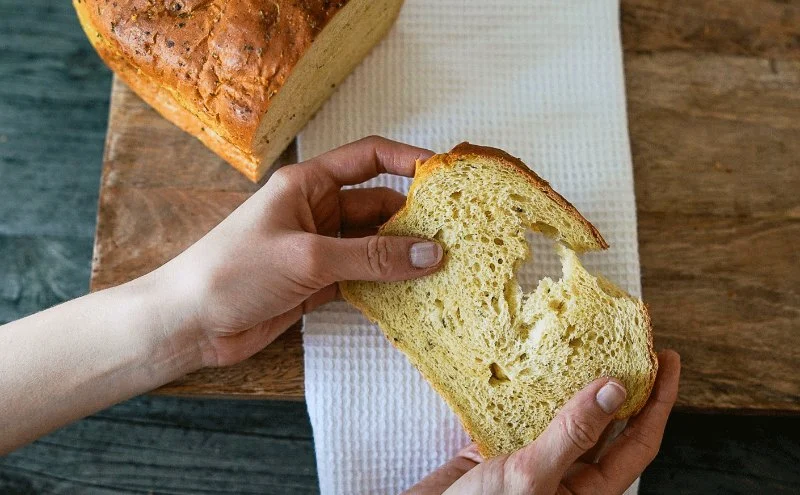
Instant yeast reduces rising time, producing a tighter crumb, while sourdough and fresh yeast create airy, open-textured bread with more nuanced flavors.
3.2 Flavor Development
Natural fermentation, as seen in sourdough, generates organic acids that enhance taste and aroma. Active dry and instant yeast produce a milder, cleaner flavor suitable for sweet or enriched doughs.
3.3 Shelf Life and Freshness
The fermentation type impacts how long baked goods remain fresh. Slow-rising dough with natural yeast often maintains freshness longer due to the acidic environment that inhibits mold growth.
4 - Tips for Choosing the Right Yeast
Selecting yeast depends on your baking goals, time constraints, and desired flavor profile.
4.1 Consider Recipe Requirements
Always check the recipe for yeast type recommendations. Substituting yeast types may require adjusting liquid, proofing time, and temperature.
4.2 Evaluate Baking Time
Instant yeast is ideal for quick breads, while active dry yeast works well for recipes needing controlled fermentation. Sourdough is best for long, slow rises that develop depth of flavor.
4.3 Factor in Storage and Shelf Life
Active dry and instant yeast store well in a cool, dry place. Fresh yeast requires refrigeration and has a shorter shelf life, while sourdough starters need daily or weekly feeding.
5 - Common Mistakes and Solutions
Baking with yeast can be tricky. Awareness of common errors helps prevent failed batches.
5.1 Incorrect Water Temperature
Too hot water kills yeast, while too cold slows fermentation. Aim for 105–115°F (40–46°C) for optimal activation.
5.2 Overproofing or Underproofing
Overproofed dough collapses, while underproofed dough is dense. Monitor dough volume and texture rather than strictly following timing instructions.
5.3 Improper Storage
Storing yeast in humid or warm environments reduces potency. Keep sealed packages in a cool, dry place to maintain effectiveness.
6 - Enhancing Flavor and Texture
Beyond selecting the right yeast, several techniques improve baked goods.
6.1 Fermentation Techniques
Cold fermentation slows yeast activity, enhancing flavor complexity and dough extensibility. This method is ideal for artisan bread and pizza dough.
6.2 Combining Yeast Types
Some bakers combine instant yeast with natural starters to balance fast rise and depth of flavor, offering the best of both worlds in artisan breads.
6.3 Ingredient Pairing
Sugars, fats, and dairy interact with yeast differently. Adjusting recipes accordingly ensures proper fermentation and optimal texture.
7 - Final Thoughts and Buying Guide
Understanding the different types of yeast and how they affect your bakery goods empowers you to create perfect bread, rolls, and pastries every time. Whether using active dry yeast for convenience, fresh yeast for traditional flavor, or a sourdough starter for artisan complexity, each type has unique benefits.
For bakers looking to experiment or upgrade, visit your preferred baking supply store to explore high-quality yeast products, expert tips, and additional resources. Mastering yeast selection and handling ensures consistent results, superior taste, and an enjoyable baking experience.




 Nagoya Bakery4.0 (25 reviews)
 The Quantum Baker0.0 (0 reviews)
 Valerio's Tropical Bake Shop4.0 (43 reviews)
 Manny's Bakeshop & Restaurant4.0 (19 reviews)
 Nanding's Bakery4.0 (368 reviews)
 Aloha Sunrise Granola5.0 (5 reviews)
 Bakery Service Charge Check: Bill, Tips, and Group Split
 Bakery Texture Guide: A Practical US Checklist
 Bakery Cake Quote: Size, Design, Pickup, and Allergen Notes
 Bakery Bread Crumb Check: Freshness, Cutting, and Serving
 Bakery Cupcake Pickup: Count, Box, and Safe Transport
 Bakery Whole-Grain Bread: Ingredients, Texture, and Freshness