
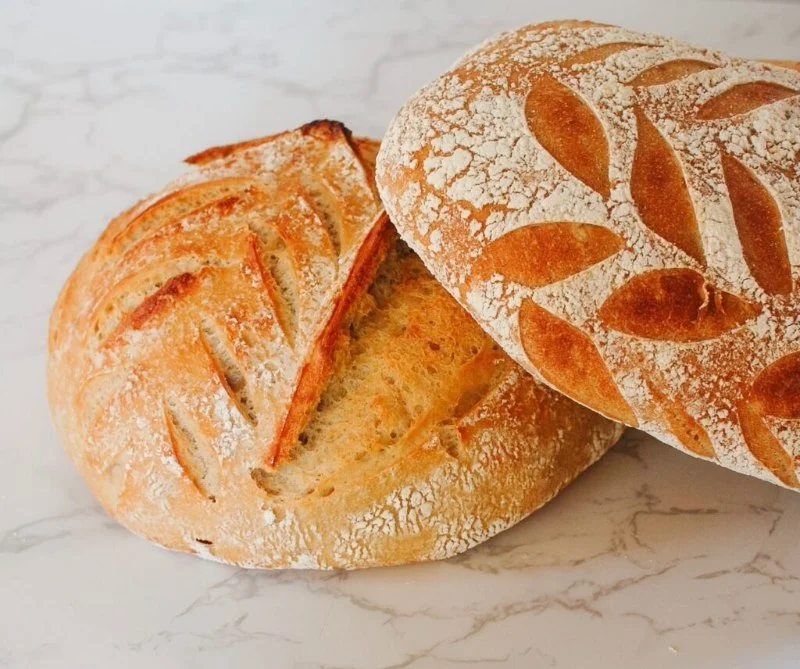
How Home Bakers Create Sourdough Bread with Better Crust, Crumb, and Flavor
- why-sourdough-feels-simple-but-bakes-complex
- tip-1-build-a-healthy-and-active-starter
- tip-2-use-the-right-flour-for-structure-and-flavor
- tip-3-pay-attention-to-water-and-dough-temperature
- tip-4-do-not-rush-the-autolyse-and-fermentation
- tip-5-master-stretch-and-fold-instead-of-overkneading
- tip-6-learn-to-read-the-dough-not-just-the-clock
- tip-7-shape-with-confidence-and-create-surface-tension
- tip-8-cold-proof-for-better-flavor-and-scoring
- tip-9-bake-with-steam-or-a-covered-pot
- tip-10-let-the-loaf-cool-before-slicing
- a-real-world-lesson-from-home-sourdough-baking
Sourdough bread has a way of making even experienced home bakers feel humble. The ingredient list is beautifully short, yet the process can be full of surprises. One loaf comes out airy and beautifully blistered, while the next turns dense, pale, or oddly flat. That is exactly why so many people become obsessed with it. Sourdough is not just bread. It is a skill, a rhythm, and sometimes a very honest lesson in patience.
The good news is that better results usually do not come from buying dozens of expensive tools. They come from understanding what your dough needs at each stage. These 10 tips for baking the perfect loaf of sourdough bread at home are the kinds of things bakers learn through repetition, a few mistakes, and a lot of flour on the counter.
If you have been chasing a loaf with a crackling crust, open crumb, balanced sourness, and that deep bakery-style aroma, these details matter more than most quick recipes admit.

Julius Sturgis Pretzel Bakery / pretzel factory lititz pa
LititzLancaster CountyPennsylvania
219 E Main St, Lititz, PA 17543, USA
1. Why Sourdough Feels Simple but Bakes Complex
1.1 Four ingredients can still be demanding
Flour, water, salt, and starter sound simple, but each one affects fermentation, structure, and flavor. Because there are so few ingredients, every weakness in the process becomes visible in the final loaf.

L’Ami Bakery & Cafe / bakery in h mart
48-18 Northern Blvd, Long Island City, NY 11101, USA
1.2 Fermentation changes everything
Unlike breads built around commercial yeast and fixed timelines, sourdough depends heavily on the activity of a living starter. Temperature, humidity, flour type, and feeding schedules can all change how quickly your dough develops.
1.3 Technique matters as much as recipe
Many home bakers discover that the same formula can produce different results depending on handling. That is why practical technique is at the heart of baking sourdough bread at home successfully.
2. Tip 1: Build a Healthy and Active Starter
2.1 A weak starter produces weak bread
If your starter is sluggish, the loaf will often struggle to rise properly. A healthy starter should expand predictably after feeding, smell pleasantly tangy, and show plenty of bubbles throughout.
2.2 Feed consistently before baking day
One of the most useful sourdough starter tips is to feed it regularly for a few days before baking, especially if it has been resting in the refrigerator. This helps restore strength and predictability.
2.3 Use it at peak activity
The best time to mix dough is usually when the starter has reached its peak or is just beginning to level off. At that point, it has the energy needed to raise the dough effectively.
3. Tip 2: Use the Right Flour for Structure and Flavor
3.1 Bread flour gives support
Bread flour generally has higher protein content than all-purpose flour, which helps build stronger gluten. That added structure often makes it easier to create a taller, more open loaf.
3.2 Whole grain flour adds complexity
A portion of whole wheat or rye flour can deepen flavor and improve fermentation. Many bakers find that even a modest percentage makes the dough more lively and aromatic.
3.3 Flour quality affects consistency
If you are serious about a perfect sourdough loaf, pay attention to how different flours absorb water and behave during mixing. Small changes in brand or milling style can shift the dough more than expected.
4. Tip 3: Pay Attention to Water and Dough Temperature
4.1 Temperature controls fermentation speed
Warm dough ferments faster, while cool dough develops more slowly. This matters because overproofed dough can collapse and underproofed dough can stay tight and heavy.
4.2 Water is a quiet adjustment tool
Using slightly warmer or cooler water is one of the easiest ways to manage fermentation at home. In winter, a little warmth helps. In summer, cooler water can keep the dough from racing ahead.
4.3 Aim for consistency, not guesswork
The more consistent your dough temperature, the easier it becomes to repeat successful results. This is one of the least glamorous but most practical sourdough baking techniques.
5. Tip 4: Do Not Rush the Autolyse and Fermentation
5.1 Autolyse improves dough strength
Letting flour and water rest before adding salt and starter allows the dough to hydrate and begin gluten development naturally. This often makes the dough easier to handle later.
5.2 Bulk fermentation builds flavor
This stage is where the dough develops much of its personality. A rushed bulk fermentation can leave the loaf dull and compact, while a well-managed one creates strength, airiness, and complexity.
5.3 Patience usually tastes better
Home sourdough improves dramatically when bakers stop treating time as an inconvenience. Better fermentation nearly always rewards you with better crumb and better flavor.
6. Tip 5: Master Stretch and Fold Instead of Overkneading
6.1 Gentle development works beautifully
Sourdough often responds better to periodic stretch-and-fold movements than to aggressive kneading. This method strengthens the dough while keeping gas bubbles intact.
6.2 Repetition builds elasticity
Several rounds of folds during bulk fermentation help the dough become smoother, stronger, and more organized.
6.3 Too much force can work against you
Overhandling can knock out gas and tighten the dough unnecessarily. The goal is to support structure, not fight the dough into submission.
7. Tip 6: Learn to Read the Dough, Not Just the Clock
7.1 Timelines are only estimates
Many sourdough recipes give exact hours, but dough lives in the real world. Kitchen temperature, starter strength, and hydration all affect timing.
7.2 Watch for visible clues
During fermentation, the dough should become puffier, smoother, and more elastic. It often jiggles slightly and shows bubbles around the edges or underneath.
7.3 Trust observation over anxiety
One of the biggest breakthroughs in homemade sourdough bread comes when bakers realize the dough is a better teacher than the printed timeline.
8. Tip 7: Shape with Confidence and Create Surface Tension
8.1 Shaping influences oven spring
A well-shaped loaf holds its structure and rises more dramatically in the oven. Loose shaping often leads to spreading instead of lifting.
8.2 Surface tension helps the loaf rise upward
Creating tension on the outer skin of the dough gives the bread support as it expands during baking.
8.3 Gentle confidence works better than hesitation
Bakers often improve once they stop poking at the dough nervously. Decisive shaping tends to produce cleaner, stronger loaves.
9. Tip 8: Cold Proof for Better Flavor and Scoring
9.1 Refrigeration improves depth of flavor
A cold overnight proof often develops a more complex flavor and makes the dough easier to score cleanly.
9.2 Cold dough is easier to handle
When chilled, the loaf tends to hold its shape better during transfer and baking.
9.3 Better scoring leads to better expansion
A clean score guides the loaf as it opens in the oven. This is where many artisan bread baking results start to look dramatically more professional.
10. Tip 9: Bake with Steam or a Covered Pot
10.1 Steam protects the crust early on
Steam keeps the exterior flexible during the first phase of baking, allowing the loaf to expand before the crust hardens.
10.2 Dutch ovens help trap moisture
This is why so many home bakers rely on a covered pot. It creates a steamy environment that supports oven spring and crust development.
10.3 Remove the lid for color and crunch
Once the loaf has risen fully, uncovering it allows the crust to darken and crisp properly.
11. Tip 10: Let the Loaf Cool Before Slicing
11.1 Fresh bread is still setting inside
Cutting too early can compress the crumb and make the texture seem gummy, even if the loaf was baked well.
11.2 Cooling preserves texture
Allowing the loaf to rest gives moisture time to redistribute and the crumb time to stabilize.
11.3 Patience pays off one last time
It is one of the hardest parts of baking the perfect loaf of sourdough bread at home, but it makes a real difference in the eating experience.
12. A Real-World Lesson from Home Sourdough Baking
During the home baking boom a few years ago, countless people discovered that sourdough was both soothing and unforgiving. One home baker shared that her first loaves tasted good but looked flat and heavy. She kept blaming the recipe until she realized the real issue was her starter. It looked active, but it had not been fed consistently enough to give the dough real strength.
After a week of regular feeding and one overnight cold proof, her next loaf opened beautifully in the oven and finally developed the crust and airy interior she had been chasing. That story resonates because it reflects the real nature of sourdough. Often the problem is not dramatic. It is a small weakness in the chain.
These 10 tips for baking the perfect loaf of sourdough bread at home are not about perfection in one weekend. They are about building confidence, understanding the dough, and making better decisions each time you bake.
If you are ready to improve your setup, refine your process, and explore tools or ingredients that make baking sourdough bread at home more consistent, now is a great time to look deeper. Learn more, discover the latest sourdough essentials, and find practical products that can help you bake your best loaf yet.






 Nagoya Bakery4.0 (25 reviews)
 The Quantum Baker0.0 (0 reviews)
 Valerio's Tropical Bake Shop4.0 (43 reviews)
 Manny's Bakeshop & Restaurant4.0 (19 reviews)
 Nanding's Bakery4.0 (368 reviews)
 Aloha Sunrise Granola5.0 (5 reviews)
 Bakery Service Charge Check: Bill, Tips, and Group Split
 Bakery Texture Guide: A Practical US Checklist
 Bakery Cake Quote: Size, Design, Pickup, and Allergen Notes
 Bakery Bread Crumb Check: Freshness, Cutting, and Serving
 Bakery Cupcake Pickup: Count, Box, and Safe Transport
 Bakery Whole-Grain Bread: Ingredients, Texture, and Freshness