
- 1. The Origins and Essence of Traditional French Baking
- 2. Signature Pastries that Define French Baking
- 3. Techniques and Secrets Behind Authentic French Baking
- 4. Case Study: How a Small French Bakery Became a Global Sensation
- 5. The Modern Influence of French Baking Around the World
- 6. How to Experience the Magic of French Baking at Home
1. The Origins and Essence of Traditional French Baking
Traditional French baking is much more than a culinary craft—it’s an art form rooted in culture, precision, and passion. France’s baking heritage stretches back centuries, evolving from rustic farmhouse loaves to elegant pâtisserie masterpieces. What makes French baking magical is its balance between simplicity and sophistication—every pastry, tart, and loaf tells a story of patience and perfection.
From Paris to Provence, French bakers have refined the use of essential ingredients like butter, flour, and yeast to create the lightest croissants, flakiest puff pastries, and crispiest baguettes. Their philosophy emphasizes quality over quantity, which is why French bakeries worldwide still stand as the gold standard for excellence.

2. Signature Pastries that Define French Baking
The true charm of traditional French baking lies in its diverse range of pastries and breads. Each region in France contributes its own specialty—creating a colorful mosaic of flavors and textures that have delighted generations.
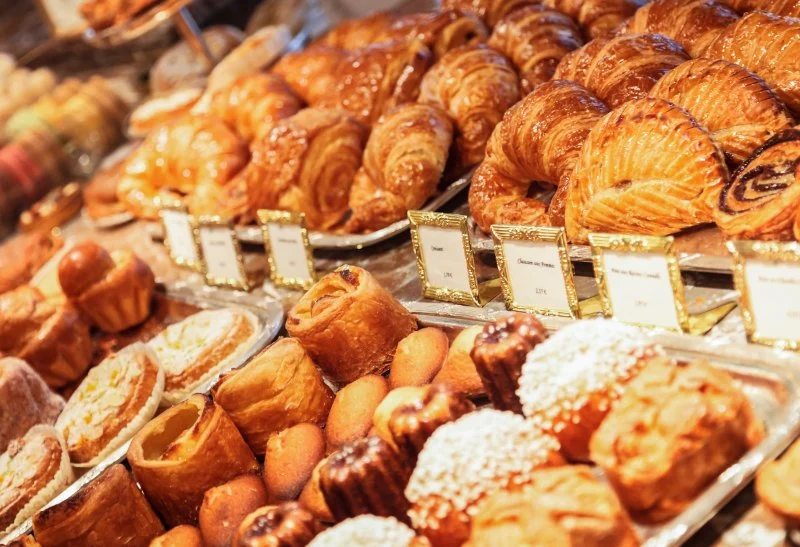
- Croissant: A buttery, flaky pastry that symbolizes the perfect marriage of texture and technique. The croissant’s layers are the result of meticulous lamination—a process that requires both patience and precision.
- Baguette: The iconic French bread known for its crispy crust and soft interior. It’s a staple in French households and represents the country’s everyday culinary pride.
- Tarte Tatin: A caramelized upside-down apple tart that captures the French love for rustic desserts with elegant presentation.
- Éclair: A classic choux pastry filled with cream and topped with chocolate glaze, representing the innovation and artistry of French pâtisserie.
Each pastry reflects centuries of refinement and innovation. Whether you’re tasting a warm croissant in a Parisian café or a hand-crafted tart in New York, the soul of French baking remains unmistakably authentic.
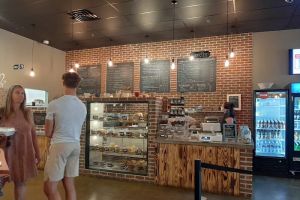
All Star Bagels / allstar bagel
LewisburgUnion CountyPennsylvania
300 Market St, Lewisburg, PA 17837, USA
3. Techniques and Secrets Behind Authentic French Baking
The secret to mastering traditional French baking lies in understanding its techniques. Every French baker knows that precision is everything—from the temperature of butter to the number of folds in the dough. Time and temperature play crucial roles in achieving that delicate texture that defines French pastries.
One of the most famous methods is the lamination process used in croissant and puff pastry making. It involves folding butter into dough multiple times to create hundreds of thin, airy layers. Another is the slow fermentation process used for baguettes, which enhances flavor and texture naturally without artificial additives.
For anyone looking to explore these techniques at home, patience and practice are key. And if you’d rather experience the true taste of French perfection without spending hours in the kitchen, visit Heavenly Delights Bakery to find expertly made pastries inspired by authentic French recipes.
4. Case Study: How a Small French Bakery Became a Global Sensation
One inspiring story is that of a small bakery in Lyon that began with just two bakers and a single oven. Their commitment to traditional methods—using stone-ground flour, cultured butter, and long fermentation—earned them a loyal local following. Within a few years, their reputation spread across France and eventually internationally.
What made their success remarkable was their refusal to cut corners. In an era dominated by automation, they continued kneading dough by hand and baking in small batches. This dedication resonated with customers seeking authenticity and quality, proving that traditional craftsmanship still has a powerful place in today’s fast-paced world.
5. The Modern Influence of French Baking Around the World
French baking has transcended borders, influencing pastry chefs and home bakers across the globe. From Tokyo to Los Angeles, French-inspired bakeries are thriving, blending classical techniques with modern flavors. You’ll now find matcha croissants in Japan, salted caramel macarons in New York, and vegan éclairs in London—all paying homage to French artistry.
This evolution highlights the adaptability of French baking. While its roots remain deeply traditional, it continues to evolve and inspire new generations of bakers who blend innovation with respect for heritage. It’s a perfect example of how culture can evolve while staying true to its essence.
6. How to Experience the Magic of French Baking at Home
Experiencing the beauty of French baking doesn’t always require a flight to Paris. Start small—try your hand at making a rustic baguette or buttery madeleines. Invest in quality ingredients such as European-style butter and unbleached flour, and always respect the process. French baking is as much about patience and love as it is about ingredients.
If baking from scratch feels intimidating, you can still bring a touch of France to your kitchen by exploring ready-made artisanal products from Heavenly Delights Bakery. Their offerings capture the spirit of traditional French baking, from hand-laminated croissants to delicate fruit tarts, crafted with care and authenticity.
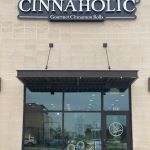 Cinnaholic4.0 (156 reviews)
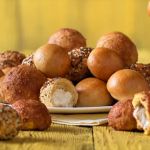 Einstein Bros. Bagels3.0 (55 reviews)
 Honey Dew Donuts4.0 (51 reviews)
 Cafe Claudette5.0 (1 reviews)
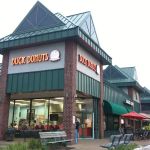 Duck Donuts4.0 (1096 reviews)
 Whole Foods Bakery5.0 (4 reviews)
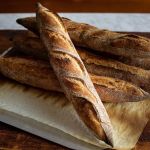 The Art of Baking French Baguettes from Scratch: A Detailed Guide
 Why You Should Always Choose Freshly Baked Bread for Your Sandwiches
 How to Make the Best Homemade Pizza Dough in 30 Minutes: Quick and Easy Recipe
 How to Make the Best Lemon Coconut Cake | Easy & Delicious Recipe
 The Best Bakery Pastries to Make Ahead for Busy Weekdays
 The Best Gluten-Free Bakeries You’ll Love: Discover Delicious Options