
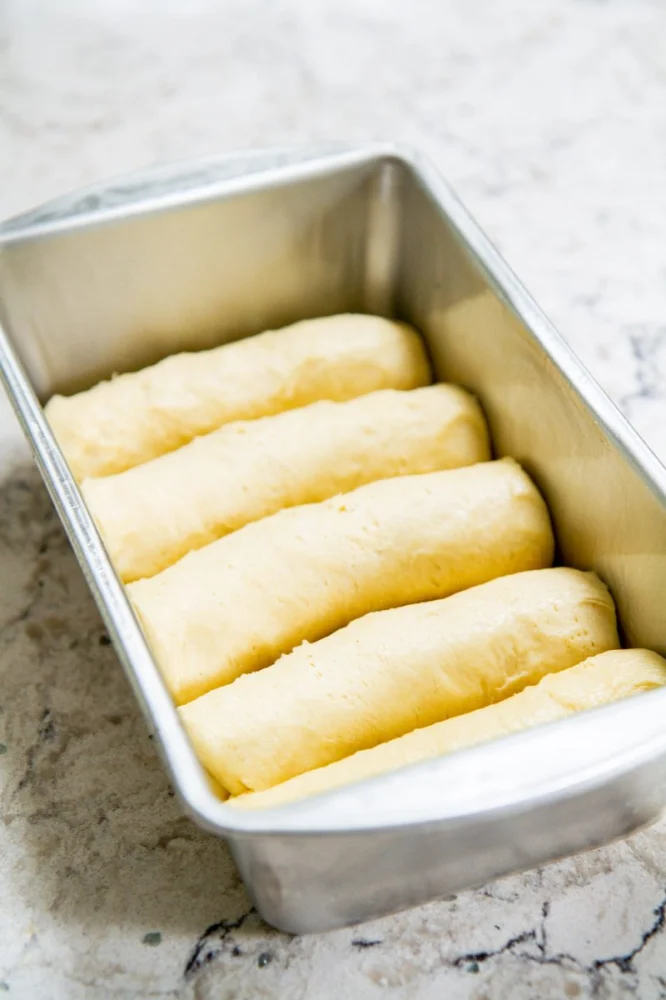
How to Make Bakery-Style Brioche at Home
- 1. Getting Started: The Ingredients You Need
- 2. Mixing the Dough and First Rise
- 3. Shaping the Brioche and Baking Tips
- 4. Troubleshooting Common Brioche Problems
- 5. How to Enjoy and Store Your Homemade Brioche
1. Getting Started: The Ingredients You Need
Brioche is a classic French bread known for its rich texture and buttery flavor. To make your own bakery-style brioche at home, you'll need a few key ingredients:
- Flour – Bread flour works best for brioche due to its high protein content.
- Yeast – Active dry or instant yeast will help your dough rise beautifully.
- Sugar – A little sugar helps feed the yeast and contributes to the bread's sweetness.
- Butter – For a rich, tender texture, butter is essential in brioche. Use unsalted butter for control over salt content.
- Eggs – Eggs add structure and moisture to the dough, making it soft and airy.
- Milk – Whole milk provides the needed moisture and richness for the dough.
- Salt – To balance the sweetness and enhance the flavors.
Having all these ingredients on hand before you begin will make the process smoother and more efficient. Now that you’ve gathered everything, you’re ready to start baking!

Julius Sturgis Pretzel Bakery / pretzel factory lititz pa
LititzLancaster CountyPennsylvania
219 E Main St, Lititz, PA 17543, USA
2. Mixing the Dough and First Rise
The process of making brioche begins with mixing your dough. This step may seem tedious, but with patience, it will yield that rich, pillowy result you’re looking for.

L’Ami Bakery & Cafe / bakery in h mart
48-18 Northern Blvd, Long Island City, NY 11101, USA
1. Prepare the Dough
In a stand mixer with a dough hook, combine the flour, sugar, and yeast. Add the salt, eggs, and milk, then begin mixing on low speed. Gradually add the butter in small cubes, letting each addition incorporate fully before adding more. Once the dough comes together, increase the speed to medium and knead for about 10 minutes. The dough should be smooth, elastic, and slightly sticky.
2. First Rise
Once the dough is mixed, place it in a lightly oiled bowl, cover with a damp cloth, and let it rise at room temperature for about 1–2 hours, or until it has doubled in size. This first rise is crucial to give the dough that airy texture that defines brioche.
3. Shaping the Brioche and Baking Tips
After the first rise, it’s time to shape your brioche and get it ready for baking. This step is where you can get creative!
1. Shaping the Dough
Once your dough has risen, gently punch it down to release the air. Turn it out onto a floured surface and shape it into a loaf or individual rolls, depending on your preference. For a traditional loaf, place the shaped dough into a greased loaf pan. For individual rolls, divide the dough into small balls and arrange them in a greased baking dish.
2. Second Rise
Cover the shaped dough and let it rise for another 1–2 hours. This second rise will help the dough develop a fluffy, soft texture. The dough should nearly double in size.
3. Baking the Brioche
Preheat your oven to 375°F (190°C). Brush the top of the dough with an egg wash (1 egg mixed with 1 tablespoon of water) for a golden, shiny finish. Bake for 20–25 minutes for individual rolls or 35–40 minutes for a loaf, until the top is golden brown and a toothpick inserted into the center comes out clean.
4. Troubleshooting Common Brioche Problems
Even experienced bakers sometimes run into issues while making brioche. Here are some common problems and how to solve them:
1. Dense Brioche
If your brioche turns out dense instead of light and airy, it could be due to under-kneading or insufficient rising time. Make sure you knead the dough until it's smooth and elastic, and allow both rises to fully complete before baking.
2. Brioche Is Too Sweet or Too Salty
Adjust the sugar and salt levels to your taste. The sweetness of brioche is subtle, but if it’s too much for you, reduce the sugar in the recipe. Conversely, you can slightly increase the salt if you prefer a more savory version.
3. Overbaking
To avoid overbaking, check your brioche a few minutes before the suggested time. The bread should be golden on top, but not too dark. If it seems to be getting too dark, cover it with aluminum foil to finish baking without burning the top.
5. How to Enjoy and Store Your Homemade Brioche
Your homemade brioche is now ready to be enjoyed! Here are some ideas for serving and storing it:
1. Enjoy It Fresh
Brioche is best enjoyed fresh. Slice it and spread some butter for a delightful breakfast, or pair it with your favorite jam for a sweet treat. You can also serve it as a base for French toast, adding a rich twist to a classic breakfast dish.
2. Storing Brioche
If you have leftovers, store your brioche in an airtight container at room temperature for 2–3 days. To keep it fresh longer, wrap it in plastic wrap and freeze it. Simply thaw and warm it in the oven for a few minutes to restore its softness.
If you’re looking for the best tools and ingredients to bake your own delicious brioche at home, visit Ac Fix. We offer high-quality baking products, from mixers to specialized pans, to help you make bakery-style brioche right from your kitchen.





 Nagoya Bakery4.0 (25 reviews)
 The Quantum Baker0.0 (0 reviews)
 Valerio's Tropical Bake Shop4.0 (43 reviews)
 Manny's Bakeshop & Restaurant4.0 (19 reviews)
 Nanding's Bakery4.0 (368 reviews)
 Aloha Sunrise Granola5.0 (5 reviews)
 Bakery Service Charge Check: Bill, Tips, and Group Split
 Bakery Texture Guide: A Practical US Checklist
 Bakery Cake Quote: Size, Design, Pickup, and Allergen Notes
 Bakery Bread Crumb Check: Freshness, Cutting, and Serving
 Bakery Cupcake Pickup: Count, Box, and Safe Transport
 Bakery Whole-Grain Bread: Ingredients, Texture, and Freshness