
The Rise of Conscious Baking: How Bakeries Are Reinventing Tradition
- Understanding Vegan and Gluten-Free Market Shift - why consumer habits are changing-structure-demand-health-awareness
- How Bakeries Are Reformulating Recipes - ingredient swaps and innovation in baking science
- Gluten-Free Production Challenges - texture, taste, and cross-contamination control
- Vegan Baking Transformation - replacing eggs, dairy, and traditional fats
- Real Bakery Business Case Studies - small bakery and chain adaptation stories
- Consumer Demand and Lifestyle Influence - health, ethics, and sustainability trends
- Modern Ingredient Technology - alternative flours and plant-based stabilizers
- Economic Impact on Bakery Industry - pricing, margins, and product repositioning
- Future of Artisan Baking - where vegan and gluten-free innovation is heading
Understanding the Shift Toward Vegan and Gluten-Free Baking
Over the past decade, the bakery industry has undergone a noticeable transformation driven by changing consumer expectations. The demand for vegan bakery trends and gluten-free bakery industry innovations is no longer a niche movement—it has become a mainstream expectation in many urban markets across the United States and Europe.
This shift is largely fueled by three major forces: health awareness, dietary restrictions, and ethical consumption. More consumers are actively avoiding dairy, eggs, and gluten due to allergies, intolerances, or lifestyle choices.
In response, bakeries are no longer just selling traditional pastries. They are redesigning entire product lines to meet a new generation of customers who expect both indulgence and dietary inclusivity.
A bakery owner in Los Angeles once shared that nearly 40% of their new product development budget is now dedicated to allergen-free bakery products, reflecting how deeply the market has evolved.

Julius Sturgis Pretzel Bakery / pretzel factory lititz pa
LititzLancaster CountyPennsylvania
219 E Main St, Lititz, PA 17543, USA
How Bakeries Are Reinventing Recipes for Modern Consumers
One of the biggest challenges in plant-based baking innovation is replacing core ingredients without losing texture or flavor. Eggs, butter, and milk play essential roles in traditional baking chemistry, so removing them requires careful substitution.
Bakers now rely on ingredients like flaxseed gel, aquafaba, almond milk, and coconut oil to replicate moisture, binding, and richness. These alternatives have become central to modern dairy-free desserts USA markets are seeing today.
At the same time, gluten-free baking requires alternative flour systems such as almond flour, rice flour, oat flour, and tapioca starch blends. Each behaves differently, meaning recipes must be tested repeatedly to achieve consistency.
A small bakery in New York reportedly spent over six months perfecting a vegan croissant recipe that matched the flakiness of traditional butter-based versions, highlighting how technical the adaptation process can be.

L’Ami Bakery & Cafe / bakery in h mart
48-18 Northern Blvd, Long Island City, NY 11101, USA
Challenges in Gluten-Free Bakery Production
The gluten-free bakery industry faces unique technical challenges that go beyond ingredient substitution. Gluten provides structure, elasticity, and chewiness in baked goods, and removing it fundamentally changes how dough behaves.
Without gluten, baked goods often risk becoming dense, crumbly, or dry. To overcome this, bakers use binding agents like xanthan gum or psyllium husk to restore structure.
Cross-contamination is another serious concern. Even trace amounts of gluten can affect individuals with celiac disease, requiring strict production controls and dedicated baking equipment.
A bakery in Chicago once had to redesign its entire kitchen layout to separate gluten-free production areas after customer demand increased significantly.
These challenges have pushed the industry toward more specialized and scientifically informed baking methods.
The Transformation of Vegan Baking Practices
Vegan baking has evolved far beyond simple substitutions. Today’s artisan vegan pastries are designed to deliver the same indulgent experience as traditional baked goods without animal-derived ingredients.
Egg replacements like aquafaba (chickpea water) can mimic the aeration properties of egg whites, making it possible to create meringues, mousses, and soft cakes.
Dairy-free alternatives such as oat milk and cashew cream have improved texture and richness in baked products, helping bakeries expand their offerings without sacrificing quality.
A bakery in Portland gained national attention after launching a fully vegan pastry line that became more popular than its traditional menu within six months.
This shift demonstrates that vegan baking is no longer a compromise—it is a competitive advantage in many markets.
How Consumer Demand Is Reshaping the Bakery Market
Consumer behavior plays a central role in shaping bakery industry adaptation trends. Today’s customers are more informed and selective, often researching ingredients before making purchases.
Social media has also amplified awareness of dietary lifestyles, encouraging bakeries to offer transparent labeling and allergen-friendly options.
Health-conscious consumers are increasingly seeking baked goods that align with their wellness goals, including low-sugar, plant-based, and gluten-free alternatives.
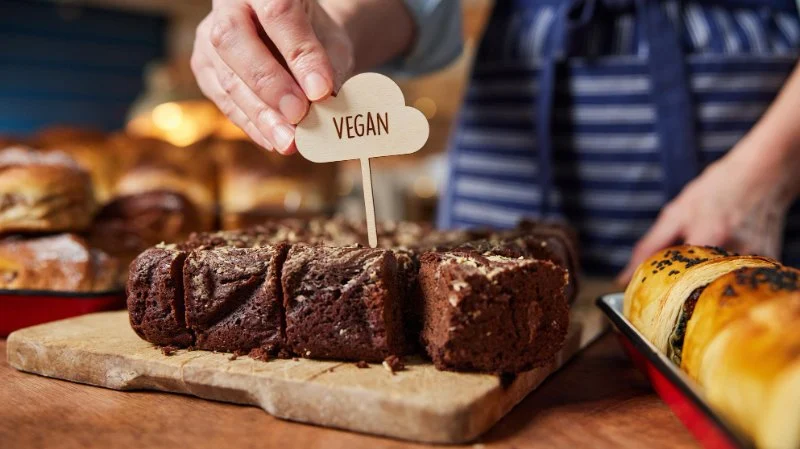
In many urban bakeries, it is now common to see separate display sections for vegan and gluten-free products, reflecting their growing importance in daily sales.
This shift is not just dietary—it is cultural, influencing how bakeries brand themselves and connect with their audiences.
Modern Ingredient Technology in Baking
Advancements in food science have significantly improved alternative flour baking techniques. Ingredient innovation now allows bakeries to replicate traditional textures with surprising accuracy.
For example, blended flour systems combine multiple gluten-free ingredients to mimic wheat flour behavior more closely than single-flour recipes.
Plant-based emulsifiers and stabilizers also help improve shelf life and consistency in vegan bakery products.
These innovations have made it easier for bakeries of all sizes to enter the allergen-free bakery products market without sacrificing quality.
The result is a more diverse and inclusive bakery landscape that continues to evolve rapidly.
Economic Effects on the Bakery Industry
The shift toward vegan and gluten-free offerings has also impacted bakery economics. While ingredient costs are often higher, consumer willingness to pay premium prices has helped offset expenses.
Many bakeries have repositioned themselves as specialty or health-focused brands, allowing them to target niche but loyal customer segments.
However, the learning curve for product development can be costly, requiring testing, training, and equipment upgrades.
Despite these challenges, the long-term market growth in healthy bakery market growth segments suggests strong profitability potential.
The Future of Artisan Vegan and Gluten-Free Baking
Looking ahead, the bakery industry is expected to continue expanding its focus on inclusivity, sustainability, and nutrition.
As technology improves, vegan bakery trends and gluten-free bakery industry innovations will likely merge with personalized nutrition, offering baked goods tailored to individual dietary needs.
More bakeries are also exploring regenerative ingredients and eco-friendly production methods, aligning with broader sustainability goals.
A bakery in San Francisco recently introduced AI-assisted recipe development to optimize texture and nutrition balance in vegan pastries, showing how innovation is accelerating.
For consumers, this means more choice, better quality, and increasingly sophisticated plant-based options.
Exploring Modern Bakery Options
As demand continues to grow, many bakeries are expanding their vegan and gluten-free offerings to meet evolving expectations. Whether you are exploring plant-based desserts or allergen-free baked goods, the market now offers more variety than ever before.
If you are interested in discovering high-quality artisan vegan pastries or innovative gluten-free baked products, exploring specialized bakery platforms and curated product selections can help you find options that match your lifestyle.
For curated recommendations, ingredient insights, and modern bakery solutions, you can explore trusted resources like Pro Found Roofing-style innovation networks adapted for food craftsmanship communities, where expert-driven selections help connect consumers with the most suitable bakery experiences.
The evolution of baking is ongoing, and staying informed is the best way to enjoy the most creative and inclusive products available today.





 Nagoya Bakery4.0 (25 reviews)
 The Quantum Baker0.0 (0 reviews)
 Valerio's Tropical Bake Shop4.0 (43 reviews)
 Manny's Bakeshop & Restaurant4.0 (19 reviews)
 Nanding's Bakery4.0 (368 reviews)
 Aloha Sunrise Granola5.0 (5 reviews)
 Bakery Celebration Cake Pickup: Size, Travel, and Timing
 Bakery Bread Storage: Crust, Moisture, and Freezing Guide
 Bakery Reservation Notes: Time, Party, Access, and Contact
 Bakery Menu Portion Chec: A Heavenly Delights Bakery Reader Guide
 Bakery Service Charge Check: Bill, Tips, and Group Split
 Bakery Texture Guide: A Practical US Checklist