
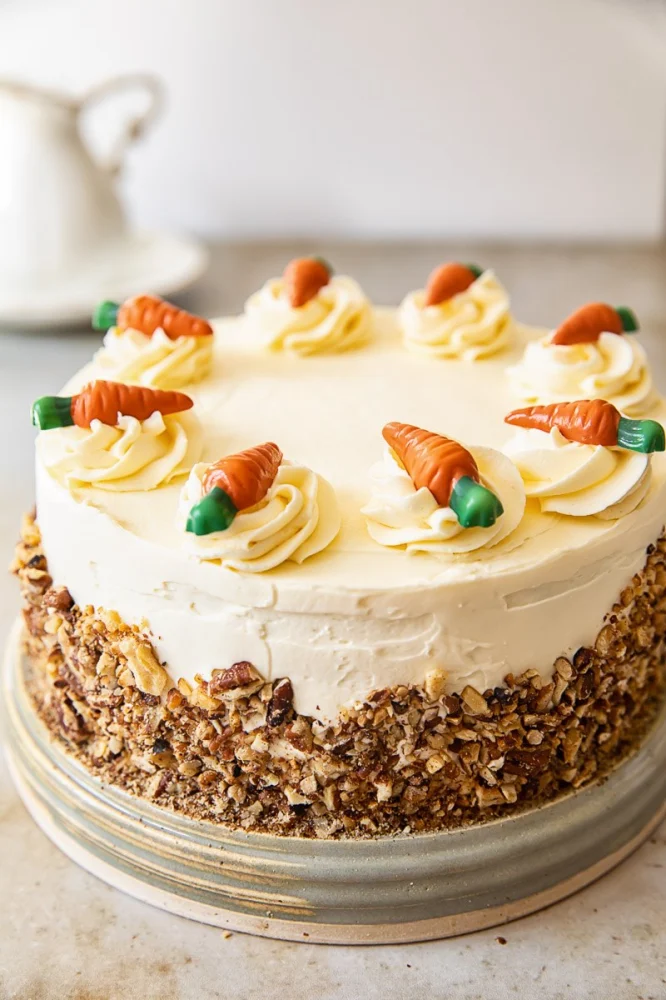
Moist Carrot Cake at Home: The Bakery-Style Method I Actually Trust
- Why-Bakery-Style-Carrot-Cake-Tastes-Different
- Ingredients-That-Make-Or-Break-The-Crumb
- Step-By-Step-Mixing-And-Baking
- Cream-Cheese-Frosting-That-Holds-Its-Shape
- Assembly-Storage-And-Make-Ahead-Game-Plan
- Common-Mistakes-And-How-To-Fix-Them
- How-To-Make-It-Your-Signature-Cake
Why Bakery-Style Carrot Cake Tastes Different
If you’ve ever bitten into a slice of carrot cake from a good bakery and thought, “Why can’t mine taste like that?”—you’re not imagining it. Bakery cakes usually nail three things at the same time: moisture, spice balance, and a texture that’s tender but not soggy. That’s exactly what this guide is built around.
When people search How to Make Bakery-Style Carrot Cake with a Cream Cheese Frosting, they’re usually chasing that specific combo: a plush crumb that stays soft for days, plus frosting that tastes tangy and rich without sliding off the cake like a sweater on a hanger.
1. The Moisture Isn’t Just “More Carrots”
Carrots help, yes—but bakery-level moisture usually comes from a smart mix of oil, eggs, and a small amount of water-holding ingredients. Think of it like building a sponge that stays springy instead of drying out overnight.
1.1 Oil vs Butter
Butter tastes amazing, but oil keeps cake tender longer. That’s why many bakeries lean on oil in carrot cake. You still get richness from eggs and frosting, so you don’t lose flavor—you gain softness.
1.2 The Spice Has to Be “Warm,” Not “Loud”
Too much cinnamon can make carrot cake taste like a candle store. Bakery-style spice is layered: cinnamon, a little ginger, and a hint of nutmeg. The goal is a warm background, not a spice punch to the face.
2. The Frosting Is a Texture Problem as Much as a Flavor Problem
At home, cream cheese frosting often ends up either too sweet or too soft. Bakeries solve that with temperature control and mixing order. It’s not fancy—it’s just disciplined.
Ingredients That Make Or Break The Crumb
This section isn’t a boring pantry list. It’s the “why this matters” cheat sheet—the stuff that separates a decent cake from the one your friends keep texting you about.
1. Carrots: How You Prep Them Changes Everything
1.1 Finely Grated Beats Chunky Shreds
If you grate carrots too coarsely, you’ll get wet pockets and uneven texture. Finely grated carrots melt into the batter and distribute moisture evenly. If you’ve ever had carrot cake that felt stringy, this is usually the culprit.
1.2 Patting Dry Is Optional—But Know Your Carrots
Some carrots are super juicy. If your shreds look wet enough to drip, gently blot them with a paper towel. You’re not drying them out; you’re preventing a gummy center.
2. Flour and Leavening: The “Lift” System
2.1 All-Purpose Flour Works—But Don’t Overmix
You can absolutely get bakery texture with standard all-purpose flour. The trick is to stop mixing once the flour disappears. Overmixing makes the cake chewy instead of tender.
2.2 Baking Powder + Baking Soda = Better Rise
This duo gives carrot cake a nice lift while keeping it soft. Baking soda also plays well with any acidity (like a little brown sugar or pineapple if you add it).
3. The Flavor Builders People Forget
3.1 Brown Sugar Adds Depth
White sugar sweetens. Brown sugar sweetens and adds a caramel note that makes the cake taste “finished.”
3.2 Vanilla and Salt Are Non-Negotiable
Vanilla rounds everything out. Salt keeps the sweetness from tasting flat. If your cake ever tasted “sweet but boring,” it probably needed salt.
Step-By-Step Mixing And Baking
This is the part where home bakers either win the day or accidentally create a dense brick. The good news: carrot cake is forgiving. The better news: bakery style is repeatable if you follow the order.
1. Set Up Like You Mean It
1.1 Preheat and Pan Prep
Preheat your oven fully. Not “kind of warm.” Fully. Line your pans with parchment and lightly grease the sides. Bakery cakes release cleanly because bakers don’t gamble with sticking.
1.2 Choose Your Format
Two or three cake layers look impressive, but a 9x13 is the easiest path to a flawless crumb. If you’re baking for a party, a sheet cake is the quiet flex: more servings, less stress.
2. Mix Wet First, Then Fold in Dry
2.1 The Wet Bowl
Whisk oil, eggs, brown sugar, white sugar, and vanilla until glossy. That glossy look means the sugar is dissolving and the batter will bake evenly.
2.2 The Dry Bowl
Whisk flour, baking powder, baking soda, salt, cinnamon, ginger, and nutmeg separately. This prevents spice clumps and gives a consistent crumb.
3. Fold Like a Calm Person
3.1 Combine Without Overworking
Add dry to wet in two additions. Fold gently. The batter should look thick but scoopable.
3.2 Add Carrots Last
Fold in grated carrots at the end. If you add them too early and keep mixing, you’ll release extra moisture and deflate the batter.
4. Bake and Don’t Play Oven Games
4.1 Timing and Doneness
Start checking near the end of the bake time. A toothpick should come out with a few moist crumbs, not wet batter. If it’s clean-dry, you may have gone a little too far.
4.2 Cooling Is Part of Baking
Cool cakes in the pan for about 10–15 minutes, then turn out onto a rack. Frosting warm cake is how you end up with frosting puddles. Ask me how I know.
Cream Cheese Frosting That Holds Its Shape
The best cream cheese frosting tastes like tangy cheesecake—smooth, not gritty, and stable enough to swirl. This is where technique matters more than extra powdered sugar.
1. Temperature Control Is the Secret Ingredient
1.1 Use Cool Cream Cheese, Softer Butter
Let butter soften, but keep cream cheese cool. Warm cream cheese turns frosting into soup. Cool cream cheese keeps it structured.
1.2 Chill Your Bowl If Your Kitchen Runs Hot
If you’re baking in summer, put the mixing bowl in the fridge for 10 minutes first. It’s a small move that saves your frosting.
2. Mixing Order That Bakers Use
2.1 Beat Butter First
Cream the butter until smooth, then add powdered sugar gradually. This builds structure.
2.2 Add Cream Cheese Last
Beat in cream cheese briefly—just until combined. Overbeating breaks it down and makes it runny.
2.3 Flavor Balancing
Add vanilla and a pinch of salt. If you want that bakery tang, a tiny squeeze of lemon can brighten it without screaming “lemon cake.”
Assembly, Storage And Make-Ahead Game Plan
Carrot cake is one of those rare cakes that actually improves after a rest. That’s bakery behavior: bake today, serve tomorrow, taste like a genius.
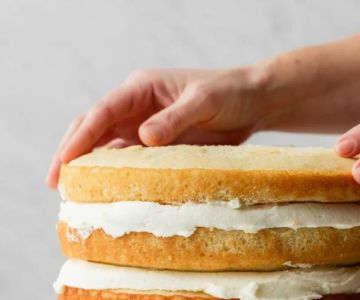
1. Layering Without Crumbs Everywhere
1.1 Trim Only If Needed
If the tops dome slightly, trim a thin layer to level them. Snack on the scraps. It’s baker’s tax.
1.2 Crumb Coat for a Clean Finish
Spread a thin layer of frosting over the cake, chill for 15–20 minutes, then finish frosting. This keeps crumbs from showing and makes the final coat smooth.
2. Storage That Keeps It Moist
2.1 Refrigeration Rules
Because of cream cheese frosting, store the cake in the fridge in a covered container. Let slices sit at room temp for 15–20 minutes before eating for best texture.
2.2 Make-Ahead Timeline
Bake layers up to 2 days ahead and wrap well. Frosting can be made a day ahead, chilled, then re-whipped briefly to smooth it out.
Common Mistakes And How To Fix Them
Every home baker has a “Why did it do that?” moment. Here are the ones I’ve seen most—plus the fix that actually works.
1. My Cake Is Dense
1.1 Likely Cause: Overmixing or Old Leavening
Overmixing develops gluten. Old baking powder/soda doesn’t rise properly. Next time: whisk dry separately, fold gently, and replace leavening if it’s been sitting forever.
2. My Center Is Gummy
2.1 Likely Cause: Too Much Moisture or Underbaking
Very juicy carrots, too much add-in moisture, or pulling the cake early can cause this. Blot carrots lightly, and check doneness with moist crumbs—not wet batter.
3. My Frosting Is Runny
3.1 Likely Cause: Warm Cream Cheese or Overbeating
Chill the frosting for 20–30 minutes, then re-whip briefly. Next time: cream butter + sugar first, add cream cheese last, and stop mixing the second it comes together.
How To Make It Your Signature Cake
This is where baking gets fun. A bakery-style base is like a great denim jacket: it works as-is, but it also handles customization like a champ.
1. Add-Ins That Feel “High-End”
1.1 Toasted Nuts for Crunch
Toasted pecans or walnuts add depth and texture. Toasting matters—raw nuts taste flat compared to toasted.
1.2 Pineapple or Coconut (Use With Intention)
Crushed pineapple can add moisture and sweetness, but it must be well-drained. Coconut adds a dessert-shop vibe without changing the structure much.
2. Presentation Tricks That Make People Think You Bought It
2.1 A Clean Swirl and a Simple Garnish
One smooth swirl on top plus a sprinkle of toasted nuts looks polished. If you want a bakery finish, chill the cake before slicing for clean edges.
3. The “Worth It” Upgrade Move
3.1 Use the Right Tools Once
A sturdy grater, parchment rounds, and an offset spatula are the kind of tools you buy once and quietly use forever. They remove friction from the process, and that’s what turns “I tried a recipe” into “I bake this often.”
If you came here searching How to Make Bakery-Style Carrot Cake with a Cream Cheese Frosting, you’re already halfway to having a go-to cake that people request by name. The next step is making it even easier on yourself—having the right baking tools, pans, and finishing supplies ready to go. Learn more and click here to view the latest products that help you bake bakery-level cakes at home, especially if you want that smooth frosting finish and consistently moist crumb every single time.




 Son De Cali4.0 (138 reviews)
 Smallcakes Belmont4.0 (59 reviews)
 Chez Marie Pâtisserie4.0 (390 reviews)
 Safeway Bakery1.0 (1 reviews)
 COBS Bread4.0 (10 reviews)
 Sarkis Pastry4.0 (188 reviews)
 How to Make Fresh Homemade Hot Dog Buns: A Simple Recipe
 How to Make Bakery-Style Croissants with a Flaky, Delicious Finish
 The Best Baking Recipes for Low-Sugar Treats – Healthy & Delicious Ideas
 Why You Should Buy Your Breads from Local Bakeries Instead of Supermarkets
 How to Start Your Own Artisan Bakery Business from Scratch
 How to Make the Best Caramel Apple Pie from Scratch