
- understanding-the-art-of-artisan-bread-making - Understanding the Art of Artisan Bread Making
- choosing-the-right-ingredients-for-the-best-results - Choosing the Right Ingredients for the Best Results
- step-by-step-process-how-to-make-the-best-artisan-bread-at-home - Step-by-Step Process: How to Make the Best Artisan Bread at Home
- real-stories-from-home-bakers-across-america - Real Stories from Home Bakers Across America
- tips-from-professionals-and-where-to-find-quality-tools - Tips from Professionals and Where to Find Quality Tools
1. Understanding the Art of Artisan Bread Making
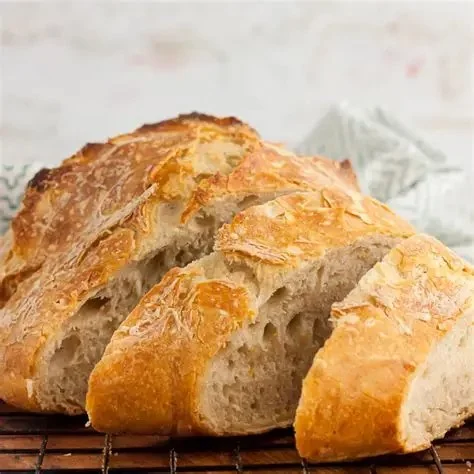
Artisan bread is more than just food—it's an experience. Unlike mass-produced loaves, artisan bread is characterized by its rustic crust, open crumb, and complex flavor profile. It's a celebration of tradition, technique, and time. When asking how to make the best artisan bread at home, it’s not just about following a recipe; it’s about respecting the process.
In the U.S., the artisan bread movement has taken hold with passionate home bakers turning their kitchens into small-scale bakeries. Whether it’s a classic sourdough or a rosemary olive loaf, the journey starts with understanding the fundamentals of fermentation and heat control.

Round Swamp Farm / round swamp bridgehampton
BridgehamptonSuffolk CountyNew York
97 School Street, Bridgehampton, NY 11932, USA
2. Choosing the Right Ingredients for the Best Results
The flavor and texture of your artisan bread start with your choice of ingredients. Flour, water, salt, and yeast or starter—these four elements form the foundation.
Flour: Opt for unbleached bread flour with high protein content (around 12–14%) for a strong gluten structure. Many seasoned bakers prefer King Arthur or Bob’s Red Mill, both popular in American households.
Water: Use filtered water if your tap water is heavily chlorinated, as chlorine can kill the yeast or starter.
Salt: Fine sea salt or kosher salt enhances flavor and strengthens gluten bonds.
Yeast or Starter: Instant yeast is beginner-friendly, but a natural sourdough starter offers more flavor and character. If you're adventurous, cultivate your own starter over a week.
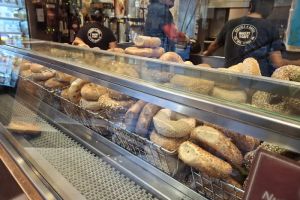
Finagle A Bagel / finagle a bagel
BostonSuffolk CountyMassachusetts
535 Boylston St, Boston, MA 02116, USA
3. Step-by-Step Process: How to Make the Best Artisan Bread at Home
Step 1: Mix and Autolyze
Combine flour and water first and let it rest for 30–45 minutes. This step, known as autolysis, helps hydrate the flour and develop gluten naturally.
Step 2: Add Salt and Yeast/Starter
After the autolyze, add your salt and yeast (or starter). Mix thoroughly until a shaggy dough forms.
Step 3: Stretch and Fold
Instead of kneading, many artisan recipes use the stretch-and-fold method. Every 30 minutes, stretch the dough from the sides and fold it over itself. Do this for about 2 hours to build structure.
Step 4: Bulk Fermentation
Let the dough rest and rise for several hours. Temperature and timing matter. In cooler kitchens, you may need to extend fermentation or use a proofing box.
Step 5: Shaping and Final Rise
Gently shape the dough into a boule (round) or batard (oval), and let it proof again in a banneton or bowl lined with a floured towel.
Step 6: Bake with Steam
Preheat your oven with a Dutch oven or baking stone inside. Load the dough, add steam (or cover if using a Dutch oven), and bake at high heat (450°F) for a blistered crust and chewy crumb.
4. Real Stories from Home Bakers Across America
Mary from Vermont started baking artisan bread during the 2020 lockdown and now sells loaves at her local farmers market. She says, “I burned at least three loaves in my first week, but when it worked—it was magic.”
In Austin, John used YouTube tutorials and his wife’s Dutch oven to master a sourdough technique. His tip? “Don’t rush the process. One hour can make a world of difference in fermentation.”
These stories show that artisan bread isn't just for professionals. Anyone with patience, curiosity, and a good recipe can do it.
5. Tips from Professionals and Where to Find Quality Tools
• Weigh your ingredients: Cups are too inconsistent. Use a digital kitchen scale for best results.
• Use a banneton: These proofing baskets help maintain shape and create beautiful patterns.
• Invest in a lame: This razor tool is used for scoring dough so it expands evenly during baking.
• Oven spring matters: Bake with steam to achieve a taller, more open crumb.
Need reliable tools and ingredients? Check out Heavenly Delights Bakery. Whether you need a professional lame, top-grade flours, or artisanal salt blends, they’ve become a go-to for both beginner and expert bakers nationwide.
Baking artisan bread at home isn’t just about making food—it’s about creating joy, developing patience, and tasting the reward of your own hands. Start small, make mistakes, and you’ll be surprised how much flavor and fulfillment you can find in a simple loaf.




 Ashleigh's Bakeshop5.0 (236 reviews)
 Doughology4.0 (708 reviews)
 Vons Bakery5.0 (1 reviews)
 Macaron.de.miami0.0 (0 reviews)
 HOT BAGELS4.0 (75 reviews)
 Nothing Bundt Cakes4.0 (94 reviews)
 How to Make the Perfect Chocolate Caramel Pie
 How to Make Homemade Caramel Sauce for Desserts: A Sweet Guide
 How to Make Homemade Almond Butter Cookies | Easy Recipe for Beginners
 How to Create Your Own Bakery-Inspired Muffins at Home
 How to Make Bakery-Style French Toast Casserole
 How to Make the Best Coconut Macaroons with Dark Chocolate