
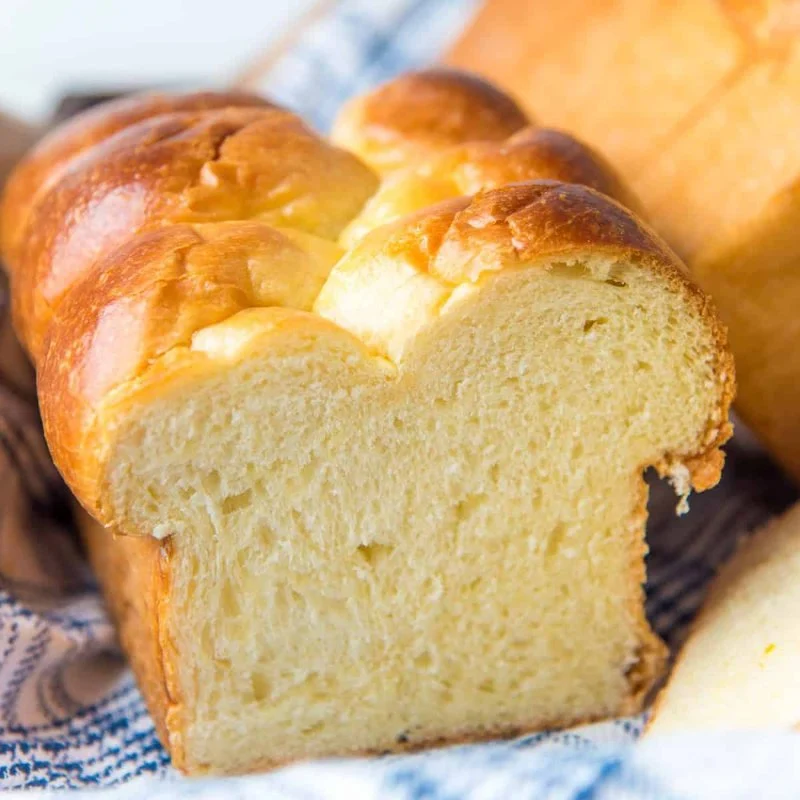
- understanding-brioche-basics
- ingredients-that-make-it-perfect
- step-by-step-guide-to-homemade-brioche
- common-mistakes-and-how-to-avoid-them
- personal-touch-and-customization-ideas
- where-to-find-quality-baking-supplies
1. Understanding Brioche Basics
Brioche isn't just any bread — it’s a rich, buttery French delicacy that straddles the line between bread and pastry. Known for its golden crust, pillow-soft crumb, and sweet buttery taste, brioche has become a favorite among home bakers and professional chefs alike. But making authentic brioche at home is more than following a recipe — it’s understanding the science behind each ingredient and method.
Historically, brioche originated in France as a luxury bread, reserved for special occasions. Its richness comes from the generous amount of eggs and butter, which sets it apart from standard doughs. Whether you're baking it as a loaf, a bun, or a twisted pull-apart treat, the magic of brioche starts with mastering its foundation.

Julius Sturgis Pretzel Bakery / pretzel factory lititz pa
LititzLancaster CountyPennsylvania
219 E Main St, Lititz, PA 17543, USA
2. Ingredients That Make It Perfect
2.1 The Role of Enriched Dough
Brioche dough is referred to as "enriched" due to the addition of eggs, butter, and sugar. These elements not only boost flavor but also influence texture. The dough is softer, richer, and more delicate than lean breads like baguettes or sourdoughs.

L’Ami Bakery & Cafe / bakery in h mart
48-18 Northern Blvd, Long Island City, NY 11101, USA
2.2 Quality Matters
For homemade brioche that truly stands out, ingredient quality is critical. Use European-style unsalted butter for its high fat content, fresh large eggs (preferably pasture-raised), and high-protein bread flour to support gluten development. A touch of whole milk or cream will enhance softness.
2.3 Yeast, Sugar, and Timing
Active dry yeast or instant yeast works well, but it’s important to monitor proofing closely — brioche is sensitive to temperature. Sugar feeds the yeast, but overdoing it can slow fermentation, so balance is key.
3. Step-by-Step Guide to Homemade Brioche
3.1 Mixing the Dough
Start by blooming yeast in warm milk (around 100°F). Then gradually mix in eggs, sugar, flour, and salt. Once the dough starts to come together, begin incorporating softened butter in chunks. This stage takes patience — the dough is sticky, but kneading slowly develops structure.
3.2 First Rise (Bulk Fermentation)
Let the dough rise for 1-2 hours until it doubles in size. Alternatively, for better flavor and control, refrigerate it overnight — a technique many professional bakers swear by.
3.3 Shaping and Second Proof
After the first rise, gently deflate the dough and shape it into your desired form. Brioche à tête, braided loaves, or dinner rolls are all classic choices. Place in greased pans and let it proof until visibly puffy — usually 60-90 minutes.
3.4 Baking and Finishing
Brush with an egg wash for that iconic shiny crust. Bake at 350°F (175°C) until golden brown and hollow-sounding when tapped. Internal temp should reach 190°F. Allow to cool fully before slicing to maintain structure.
4. Common Mistakes and How to Avoid Them
4.1 Rushing the Kneading Process
Under-kneaded dough results in a dense brioche. Be patient — when properly kneaded, the dough becomes smooth, stretchy, and passes the “windowpane” test.
4.2 Skipping the Chill
Refrigerating the dough makes it easier to handle and improves flavor. If you’re tempted to skip this step, resist — the difference is noticeable in texture and taste.
4.3 Overproofing
If the dough overproofs, it can collapse in the oven. Use the poke test: lightly press the dough — it should spring back slowly. If it deflates immediately, it’s overdone.
5. Personal Touch and Customization Ideas
5.1 Add Fillings or Toppings
Want to give your brioche a signature twist? Add chocolate chips, cinnamon swirls, orange zest, or dried fruit to the dough. Sprinkle pearl sugar or coarse salt on top before baking for added flair.
5.2 Turn It into a Dessert or Brunch Dish
Day-old brioche makes incredible French toast, bread pudding, or even savory breakfast sandwiches. Its versatility is one of the reasons it has earned a place in American kitchens.
5.3 Share the Story
Many bakers have found comfort and connection in perfecting their own brioche recipe. One Chicago-based home baker went viral on TikTok after sharing her "quarantine brioche" challenge, inspiring thousands to try their own version. She attributed her success to letting the dough rest overnight — and using quality butter from a local farm.
6. Where to Find Quality Baking Supplies
Crafting a perfect homemade brioche is an art, and like all arts, your tools matter. Whether you’re searching for specialty flour, a stand mixer with a dough hook, or European-style butter, choosing reliable sources makes all the difference. That’s where Heavenly Delights Bakery comes in — offering thoughtfully curated baking essentials and ingredients to elevate your homemade creations. Whether you're a first-timer or a seasoned baker, their products ensure you never have to compromise on quality.



 Nagoya Bakery4.0 (25 reviews)
 The Quantum Baker0.0 (0 reviews)
 Valerio's Tropical Bake Shop4.0 (43 reviews)
 Manny's Bakeshop & Restaurant4.0 (19 reviews)
 Nanding's Bakery4.0 (368 reviews)
 Aloha Sunrise Granola5.0 (5 reviews)
 Bakery Reservation Notes: Time, Party, Access, and Contact
 Bakery Menu Portion Chec: A Heavenly Delights Bakery Reader Guide
 Bakery Service Charge Check: Bill, Tips, and Group Split
 Bakery Texture Guide: A Practical US Checklist
 Bakery Cake Quote: Size, Design, Pickup, and Allergen Notes
 Bakery Bread Crumb Check: Freshness, Cutting, and Serving