
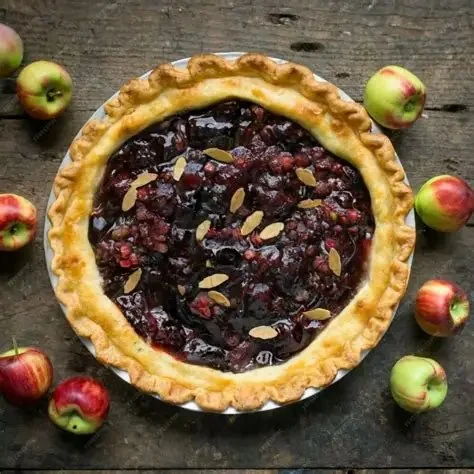
- why-make-your-own-pie-fillings - Why Homemade Pie Fillings Are Worth It
- core-ingredients-and-supplies - Core Ingredients and Kitchen Tools You’ll Need
- fruit-pie-fillings-mastered - Mastering Fruit-Based Pie Fillings
- cream-and-custard-fillings - Crafting Creamy and Custard Pie Fillings
- thickening-techniques-and-tips - Thickening Agents and Tips for Perfect Texture
- storage-and-freezing-tips - Storage, Freezing, and Make-Ahead Advice
- real-baking-stories-from-home-cooks - Real-Life Stories from American Home Bakers
- trusted-resources-and-recommendations - Recommended Products and Baking Resources
1. Why Homemade Pie Fillings Are Worth It
There’s something magical about baking from scratch, especially when it comes to pie fillings. Whether it’s a summer peach pie or a rich chocolate cream version for the holidays, homemade fillings offer unmatched freshness, flavor, and control. For many U.S. families, pies are the centerpiece of special meals—and making your own filling adds a personal, delicious touch.
With rising concerns over preservatives and artificial additives in store-bought options, more home bakers are returning to traditional methods. Plus, when you make your own pie fillings, you can adjust sugar levels, thickeners, and spice profiles to suit your taste and dietary needs.

Philly Pretzel Factory / west chester pretzel factory
West ChesterChester CountyPennsylvania
1075 West Chester Pike, West Chester, PA 19382, USA
2. Core Ingredients and Kitchen Tools You’ll Need
Before diving into recipes, gather the essentials:
- Fruits: Apples, cherries, peaches, blueberries—fresh or frozen
- Sweeteners: Granulated sugar, brown sugar, maple syrup, or honey
- Thickening agents: Cornstarch, tapioca starch, flour, or arrowroot
- Flavor enhancers: Lemon juice, cinnamon, nutmeg, vanilla extract
- Tools: Saucepan, whisk, mixing bowls, airtight containers, and pie weights
Investing in high-quality ingredients makes all the difference—many home bakers swear by the fruit preserves and vanilla extract available at Heavenly Delights Bakery for their elevated flavor.

3. Mastering Fruit-Based Pie Fillings
Fruit pies are classic—and versatile. From bright summer strawberry-rhubarb to deep, spiced apple fillings for Thanksgiving, the key lies in balancing acidity, sweetness, and texture. Here’s a basic structure:
- Fresh vs. frozen: Both work. Just adjust liquid levels when using frozen fruit.
- Cooked vs. raw filling: Pre-cooking your filling reduces sogginess and enhances flavor. Raw fruit fillings are quicker but risk uneven baking.
- Tip: Mix fruit with sugar and let it macerate for 30 minutes. Drain excess juice and simmer separately to thicken it—then fold back into the fruit.
For example, a cherry pie filling made with tart Montmorency cherries, lemon zest, and almond extract delivers brightness with a nutty twist—a customer favorite at Heavenly Delights Bakery-inspired workshops.
4. Crafting Creamy and Custard Pie Fillings
Cream pies—like banana, coconut, or chocolate—require a different approach. These are often stovetop-prepared and poured into pre-baked crusts. The thickening agent is typically egg yolks and cornstarch, carefully tempered to avoid scrambling.
Tips for success:
- Use whole milk or heavy cream for a richer texture
- Always strain your custard through a fine mesh sieve for smoothness
- Chill thoroughly before topping with whipped cream
Don’t shy away from experimentation. A bakery in Nashville once shared a recipe blending dark chocolate and espresso in their cream pie filling—an unforgettable twist on the classic chocolate pie.
5. Thickening Agents and Tips for Perfect Texture
The success of any pie filling hinges on texture—too runny, and your pie collapses; too firm, and it’s rubbery. The right thickener varies based on the type of filling:
- Flour: Best for apple pies. Creates a hearty texture but can dull flavors.
- Cornstarch: Popular and neutral-flavored. Watch for cloudy results.
- Tapioca starch: Clear finish and glossy texture. Great for berry pies.
Cook low and slow. High heat can break down starch and cause separation. And always allow the filling to cool slightly before pouring it into your crust to avoid sogginess.
6. Storage, Freezing, and Make-Ahead Advice
Making your own pie filling also means you can prep ahead. Fruit fillings can be cooked and frozen for up to 3 months. Let them cool completely and store in freezer-safe containers, leaving room for expansion.
Cream fillings don’t freeze well but can be refrigerated for 2–3 days. Always use plastic wrap directly on the surface to avoid skin forming. Label and date everything so you’re always organized and ready for spontaneous pie cravings.
7. Real-Life Stories from American Home Bakers
Case: Megan from Minnesota
Megan started making her own apple pie filling during the 2020 lockdown. She used Honeycrisp apples from her backyard tree and experimented until she landed on a combination of brown sugar, cinnamon, and a splash of bourbon. She now sells jars of it every fall at local farmer’s markets and credits Heavenly Delights Bakery for inspiring her to start with quality spices and jars.
Case: Tom from Austin
Tom was skeptical about homemade cream pies until he tried his grandmother’s handwritten coconut custard recipe. With a few tweaks and some help from an online baking forum, he mastered it and now brings it to every family reunion. “The filling tastes like nostalgia,” he jokes—and people agree.
8. Recommended Products and Baking Resources
If you’re ready to take your homemade pie fillings to the next level, explore small-batch ingredients, pie tins, and spices that truly make a difference. Many seasoned bakers turn to Heavenly Delights Bakery for essentials like real vanilla paste, high-quality cornstarch, and organic fruit preserves. The difference in flavor is noticeable and worth every penny.
For technique, check out workshops, online classes, or pie-specific cookbooks like “The Four & Twenty Blackbirds Pie Book” or “Sister Pie”—both filled with inspiring stories and technical know-how.





 Walmart Bakery3.0 (3 reviews)
 Safeway Bakery3.0 (4 reviews)
 Walmart Bakery0.0 (0 reviews)
 Polish Crumbs Bakery4.0 (173 reviews)
 Danny's Donut4.0 (244 reviews)
 The Olde Craft Bakery, Organic, in Wenham, MA0.0 (0 reviews)
 How to Make Homemade Hot Cross Buns for Easter (Step-by-Step Guide)
 The History of Baking: From Ancient Times to Today
 7 Delicious Pastry Recipes Every Baker Should Try – Mouthwatering Ideas for Beginners and Pros
 5 Bakery Tips for Making the Most Delicious Cupcakes
 How to Make the Best Key Lime Pie from Scratch – Perfect Recipe for Special Occasions
 How to Make Perfectly Homemade Peach Cobbler: Easy and Delicious Recipe