
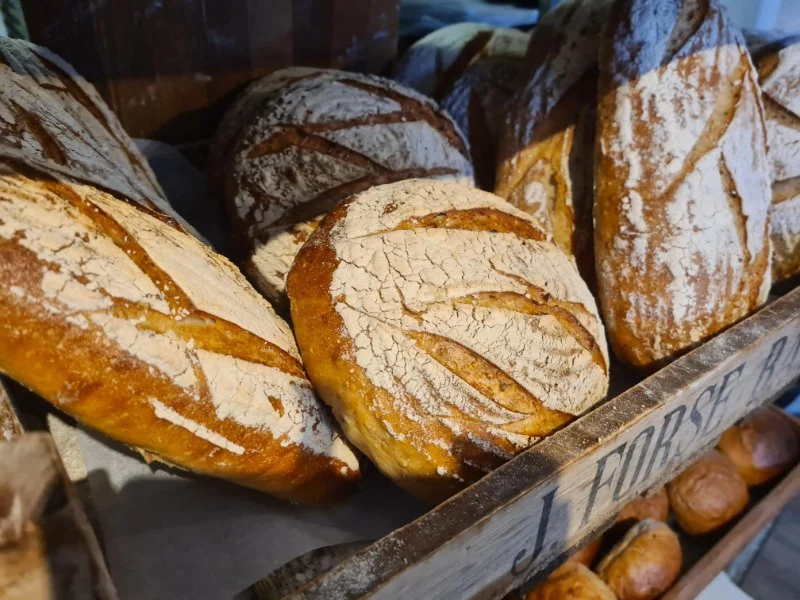
- 1. Introduction: The Origins of Baking
- 2. Ancient Baking: From Fire to First Ovens
- 3. Medieval Innovations and the Rise of Bakeries
- 4. The Modern Era: Industrialization and Baking Technology
- 5. Conclusion: The Future of Baking
1. Introduction: The Origins of Baking
Baking has been an integral part of human history, from its humble beginnings in ancient civilizations to the modern innovations we see today. The act of baking – turning raw ingredients like flour, water, and heat into something delicious – has evolved alongside the development of societies and cultures across the world. This article explores the fascinating history of baking, tracing its journey from ancient times to the cutting-edge baking techniques used in today’s kitchens.

Smallcakes Syosset / bakery syosset ny
339 Jackson Ave, Syosset, NY 11791, USA
2. Ancient Baking: From Fire to First Ovens
The history of baking dates back to ancient civilizations. The first known baked goods appeared in ancient Egypt around 4,000 years ago. Egyptians discovered the use of fire to bake bread, and over time, they perfected the art of using primitive clay ovens to bake their staple food.

Between Rounds Bakery Sandwich Cafe / roundabout bagels
VernonCapitol Planning RegionConnecticut
243 Hartford Turnpike, Vernon, CT 06066, USA
2.1. The Discovery of Bread
Historians believe that bread was the first-ever baked product. Initially, it was likely an accident when some flour and water were left out and fermented naturally. As the mixture was heated in a fire, the first form of bread emerged. This discovery was revolutionary, as it marked a turning point in human nutrition and the development of food culture.
2.2. The Role of the Egyptians
The ancient Egyptians are credited with advancing baking techniques significantly. They developed yeast-based leavening to create softer, fluffier bread. This technique spread throughout the Mediterranean, influencing ancient Greek and Roman baking practices. By the time the Romans came into power, baking had become an important part of their daily life.
3. Medieval Innovations and the Rise of Bakeries
During the Middle Ages, baking evolved further, especially with the rise of bakeries and the establishment of guilds. Bread remained a staple in most households, but with increased demand, the process of baking became more specialized. Bakeries began to emerge in cities across Europe, and by the 12th century, many European cities had their own bakers who produced high-quality bread and pastries.
3.1. The Guilds of Bakers
In medieval Europe, baking was such an important trade that bakers formed guilds to regulate and protect their craft. These guilds set standards for the production of bread, established baking fees, and ensured the quality of the products. This formalization of baking in society helped improve the consistency and quality of bread throughout the region.
3.2. Pastries and Sweets in the Middle Ages
The Middle Ages also saw the birth of pastries and other sweet treats, as sugar became more accessible due to trade routes expanding across the continent. Early pastries were typically filled with sweetened fruit, nuts, and cream, marking the beginning of the rich dessert culture that would follow in later centuries.
4. The Modern Era: Industrialization and Baking Technology
The industrial revolution in the 19th century brought about significant advancements in the baking industry. The introduction of machinery and mass production methods revolutionized the way bread and other baked goods were produced. Baking became less labor-intensive, and the rise of commercial bakeries made it easier for people to access fresh products on a daily basis.
4.1. The Advent of Industrial Ovens
The development of steam-powered ovens allowed bakers to produce bread in large quantities and at higher temperatures. This innovation made it easier to bake bread more efficiently, ensuring consistent quality and volume. As steam ovens became more widespread, they became a staple in bakeries across Europe and the United States.
4.2. The Introduction of Packaged Goods
The early 20th century saw the rise of packaged bread, making it more convenient for families to buy fresh bread without the need to visit a bakery. Brands like Wonder Bread in the United States began producing pre-sliced bread, which became a household staple. This marked a significant shift in how bread was consumed, with industrial-scale baking reshaping the bread market.
4.3. Baking Today: Innovation and Artistry
In the 21st century, baking has become both an art and a science. While modern technology has made baking more efficient, there has also been a resurgence in artisanal baking. Many bakers today focus on high-quality, handcrafted products, using traditional methods alongside modern techniques to create everything from sourdough to gluten-free treats.
5. Conclusion: The Future of Baking
As we look to the future of baking, it’s clear that this ancient art will continue to evolve. The combination of modern technology and traditional techniques offers bakers endless possibilities for innovation. Whether it’s through new ingredients, automated systems, or creative flavor combinations, the world of baking is far from static.
If you’re interested in exploring the finest baked goods or want to try your hand at creating your own masterpieces, check out Heavenly Delights Bakery for the best products, tips, and recipes!




 Madenat Al-Taybat4.0 (28 reviews)
 Brads Cookie Nook5.0 (7 reviews)
 Bakeri Queens4.0 (89 reviews)
 GRANNY'S DONUTS INC4.0 (164 reviews)
 The Bagel Basket4.0 (218 reviews)
 Cupcakes and Cookies Too DBA: My Mom's Cookies3.0 (2 reviews)
 How to Make the Best Flaky Croissant Dough from Scratch: A Step-by-Step Guide
 How to Bake the Best Homemade Chocolate Eclairs: Step-by-Step Guide
 How to Make the Best Soft Pretzels with Sea Salt | Heavenly Delights Bakery
 How to Bake Perfect Lemon Bars with a Shortbread Crust
 How to Make the Best Chocolate Raspberry Tart: Step-by-Step Guide
 How to Bake the Best Crusty Artisan Bread in a Dutch Oven | Step-by-Step Guide