
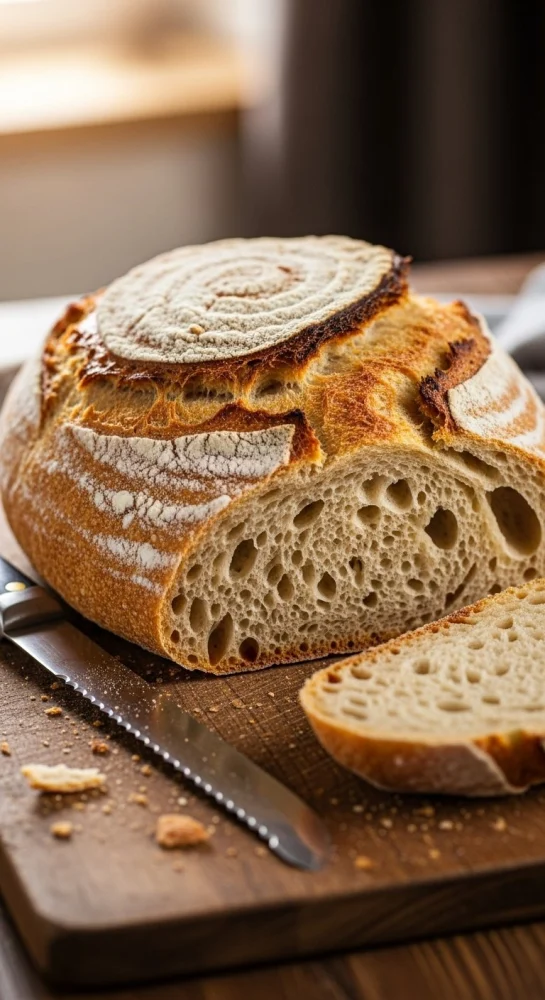
The Cozy Weekend Skill: Baking Your First Crusty Artisan Loaf
Why-Artisan-Bread-at-Home-Feels-Intimidating-But-Is-Actually-Doable
The-4-Core-Ingredients-and-What-Each-One-Really-Does
Beginner-Friendly-Method-From-Mixing-to-First-Bake
How-to-Get-a-Crisp-Crust-and-Airy-Crumb-Without-Overthinking
Common-Beginner-Mistakes-and-How-to-Fix-Them-Fast
Choosing-Tools-and-Ingredients-That-Make-Home-Baking-Easier
1. Why Artisan Bread at Home Feels Intimidating But Is Actually Doable
There’s a moment most first-time bread bakers share: you pull a loaf out of the oven, it crackles as it cools, and you think, “Wait… I made that?” That sound—tiny pops in the crust—is basically the soundtrack of confidence.
When people search for A Beginner’s Guide to Making Artisan Bread at Home, they’re usually chasing two things at once: the bakery-style look (that bold crust and rustic shape) and the feeling that baking bread is some secret club skill. Here’s the truth: artisan bread is less about complicated technique and more about understanding a few simple rules—time, temperature, and gentle handling.
Artisan bread also matches the way many of us actually live. You can mix dough in a bowl after dinner, let it rest while you sleep, and bake the next day. It’s surprisingly forgiving, and it rewards patience more than perfection.

Julius Sturgis Pretzel Bakery / pretzel factory lititz pa
LititzLancaster CountyPennsylvania
219 E Main St, Lititz, PA 17543, USA
2. The 4 Core Ingredients and What Each One Really Does
2.1 Flour: The Structure Builder
Flour isn’t just “the base.” It’s the skeleton of the loaf. For beginners, bread flour is usually the easiest starting point because it has more protein, which helps build gluten. That gluten is what traps gas and creates the airy interior people love in homemade artisan bread.
If you only have all-purpose flour, you can still bake a good loaf. The crumb may be slightly less chewy, but you’ll still get great results if you treat the dough gently and give it time.

L’Ami Bakery & Cafe / bakery in h mart
48-18 Northern Blvd, Long Island City, NY 11101, USA
2.2 Water: The Dough’s Hidden Engine
Water controls texture and fermentation speed. More water generally means bigger holes and a lighter crumb, but it also makes the dough stickier. Beginners often get nervous when dough feels wet, but that’s normal for many crusty bread at home recipes.
2.3 Yeast: The Timekeeper
Yeast creates lift and flavor through fermentation. A tiny amount of yeast plus a long rest can produce deep flavor that tastes like it took professional effort. This is why so many easy artisan bread recipe methods rely on longer fermentation instead of heavy kneading.
2.4 Salt: Flavor and Control
Salt makes bread taste like bread. It also strengthens gluten and slows fermentation, which helps prevent the dough from rushing and collapsing.
3. Beginner-Friendly Method: From Mixing to First Bake
3.1 The Simple Mix
For a beginner artisan bread at home approach, start with a “no-stress” dough. You don’t need fancy mixers. A bowl and spoon work fine.
1. Combine flour, water, yeast, and salt
2. Mix until no dry flour remains
3. Cover and let the dough rest
This is where many first-timers panic because the dough looks rough. That’s okay. Time smooths dough better than force does.
3.2 The Overnight Rise
Letting dough rise overnight is one of the best artisan bread baking tips for beginners because it spreads the work out and builds flavor.
When you wake up, the dough should look puffed, a little bubbly, and slightly jiggly. That’s a good sign fermentation is working.
3.3 Shaping Without Stress
Shaping isn’t sculpting. It’s more like gently tucking the dough into a tidy form. The biggest goal is to keep the air inside the dough rather than pressing it out.
If the dough sticks, use a little flour on your hands and work surface, but avoid dumping flour into the dough itself. Too much extra flour can make the loaf dense.
3.4 Baking Hot for a Real Crust
Home ovens can bake artisan bread beautifully if you use high heat and steam. Steam is what helps the crust expand before it sets.
A popular beginner method is baking in a covered pot (like a Dutch oven). The lid traps steam naturally, helping you get that crisp crust you see in bakery loaves.
4. How to Get a Crisp Crust and Airy Crumb Without Overthinking
4.1 Why Steam Matters
Steam delays crust formation, allowing the loaf to rise fully. Without steam, the crust hardens too early, and the bread can look flatter.
If you don’t have a Dutch oven, you can still create steam by placing a metal tray on the lower rack and adding hot water right after you put the bread in. Just be cautious and move slowly to avoid splashes.
4.2 The “Don’t Slice Too Soon” Rule
This one is painful because warm bread smells like heaven, but slicing too early can turn the interior gummy. Bread continues cooking internally as it cools.
Wait at least 30 to 45 minutes. If you want that artisan-style crumb, this patience pays off.
4.3 A Quick Reality Check on Holes
Big holes look cool on social media, but they’re not the only sign of good bread. A slightly tighter crumb can actually be better for sandwiches. The goal is a loaf you enjoy eating, not just photographing.
5. Common Beginner Mistakes and How to Fix Them Fast
5.1 “My Dough Is Too Sticky”
Sticky dough is common in homemade artisan bread for beginners. Instead of adding lots of flour, use time and gentle folds. Dough often becomes less sticky after resting as flour fully hydrates.
5.2 “My Loaf Didn’t Rise Much”
This usually comes down to one of three things: water that was too hot and damaged yeast, a room that was too cold, or not enough fermentation time. Give the dough more time. In bread baking, time is often the missing ingredient.
5.3 “My Crust Is Too Hard”
Overbaking or lack of steam can cause a thick crust. Try reducing bake time slightly or improving steam in the oven. Also, cooling bread on a rack prevents trapped moisture from making the crust leathery.
5.4 “My Bread Tastes Bland”
Usually the fix is simple: slightly more salt, or a longer fermentation. A slower rise builds deeper flavor without extra effort.
6. Choosing Tools and Ingredients That Make Home Baking Easier
6.1 Tools That Actually Help Beginners
You don’t need a bakery setup, but a few tools can make your learning curve smoother.
1. A kitchen scale
2. A bench scraper for handling sticky dough
3. A heavy covered pot for baking
A scale is especially useful because flour measurements by cups can vary. Using grams gives consistent results and makes it easier to improve loaf by loaf.
6.2 Choosing Flour and Yeast With Confidence
If you’re just starting, choose one reliable flour brand and stick with it for a few bakes. This makes troubleshooting easier because you’re not changing variables every time.
The same goes for yeast. Once you find one that behaves consistently in your kitchen, you’ll build confidence faster.
6.3 Turning Curiosity Into Your Next Step
After your first loaf, something interesting happens: you start noticing bread everywhere. You’ll look at a bakery loaf and think about hydration. You’ll taste a slice and wonder how long it fermented. That curiosity is how hobby baking turns into a real skill.
If you’re ready to go beyond guessing and want to bake better loaves more consistently, it helps to explore the right beginner-friendly tools and ingredients. Many home bakers start by upgrading just one thing—like a baking pot, a scale, or a proofing basket—and the difference can be immediate.
To keep building on what you’ve learned in A Beginner’s Guide to Making Artisan Bread at Home, take a look at the latest baking tools and starter-friendly bread kits so you can bake with more confidence, better crust, and more reliable results on every weekend loaf.






 Nagoya Bakery4.0 (25 reviews)
 The Quantum Baker0.0 (0 reviews)
 Valerio's Tropical Bake Shop4.0 (43 reviews)
 Manny's Bakeshop & Restaurant4.0 (19 reviews)
 Nanding's Bakery4.0 (368 reviews)
 Aloha Sunrise Granola5.0 (5 reviews)
 Bakery Custom Cake Handoff: Design, Allergens, and Pickup
 Bread Freezing Plan: Slicing, Wrapping, and Thawing
 Pastry Gift Box Check: Variety, Allergens, and Transport
 Sourdough Loaf Pickup: Bake Time, Slicing, and Storage
 Bakery Celebration Cake Pickup: Size, Travel, and Timing
 Bakery Bread Storage: Crust, Moisture, and Freezing Guide