
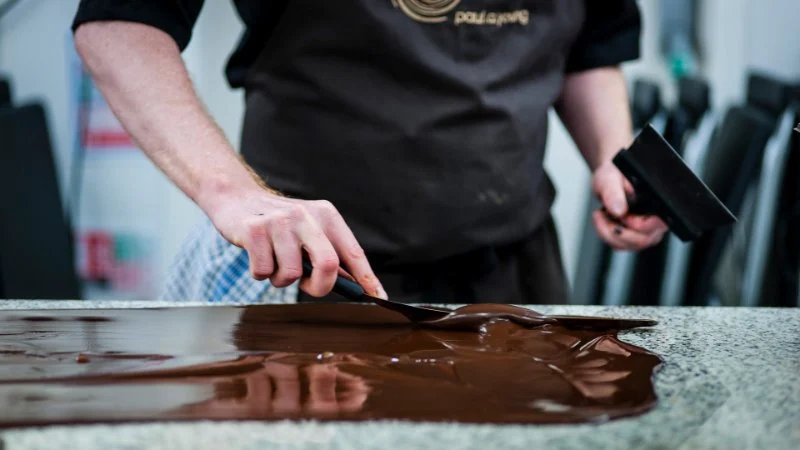
Exploring the Exquisite World of Artisan Chocolate
- 1 - What Is Artisan Chocolate?
- 2 - The History and Crafting Process
- 3 - Key Ingredients and Flavor Profiles
- 4 - Why Artisan Chocolate Is Special
- 5 - How to Taste and Appreciate Artisan Chocolate
- 6 - Popular Types of Artisan Chocolate
- 7 - Pairing Chocolate with Food and Drinks
- 8 - Finding the Best Chocolate Bakeries
- 9 - Supporting Local Chocolate Makers
- 10 - Trending Artisan Chocolate Flavors
- 11 - Gifting Artisan Chocolate
- 12 - Online vs In-Store Purchase Tips
- 13 - Caring for and Storing Chocolate
- 14 - Chocolate Pairing Events and Tastings
- 15 - Artisan Chocolate Recipes to Try at Home
- 16 - Recognizing Quality and Authenticity
- 17 - Interview with a Master Chocolatier
- 18 - Sustainability and Fair Trade Practices
- 19 - Pairing with Wine and Coffee
- 20 - Exploring Artisan Chocolate Through Travel
1 - What Is Artisan Chocolate?
Artisan chocolate is crafted in small batches by chocolatiers focusing on quality ingredients, unique flavor profiles, and meticulous production methods. Unlike mass-produced chocolate, it emphasizes creativity and craftsmanship.

Julius Sturgis Pretzel Bakery / pretzel factory lititz pa
LititzLancaster CountyPennsylvania
219 E Main St, Lititz, PA 17543, USA
2 - The History and Crafting Process
The tradition of artisan chocolate dates back centuries. From bean selection and roasting to conching and tempering, each step contributes to the distinct taste and texture that define high-quality chocolate.
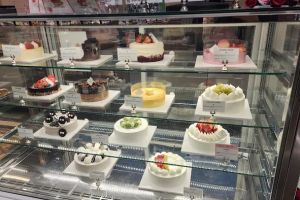
L’Ami Bakery & Cafe / bakery in h mart
48-18 Northern Blvd, Long Island City, NY 11101, USA
3 - Key Ingredients and Flavor Profiles
Artisan chocolate typically uses premium cocoa beans, natural sweeteners, and sometimes inclusions like nuts, spices, or fruit. These ingredients create complex flavor profiles that appeal to chocolate connoisseurs.
4 - Why Artisan Chocolate Is Special
Its exclusivity, attention to detail, and exceptional flavors set artisan chocolate apart. Every bar or truffle tells a story, offering a sensory experience that reflects the chocolatier’s expertise.
5 - How to Taste and Appreciate Artisan Chocolate
Use sight, smell, and taste to evaluate chocolate. Observe its sheen, snap when broken, aroma, and complex flavor notes. Mindful tasting enhances the appreciation of craftsmanship.
6 - Popular Types of Artisan Chocolate
Common varieties include single-origin bars, dark chocolate with high cocoa content, milk chocolate with nuanced flavors, truffles, ganaches, and filled chocolates. Each type offers a distinct tasting experience.
7 - Pairing Chocolate with Food and Drinks
Artisan chocolate pairs well with coffee, wine, tea, and fruits. Knowledge of complementary flavors enhances the tasting experience and highlights the chocolate's complexity.
8 - Finding the Best Chocolate Bakeries
Explore local bakeries specializing in handmade chocolates. Look for shops known for quality ingredients, unique offerings, and positive reviews. Visiting in person allows you to experience aroma and texture first-hand.
9 - Supporting Local Chocolate Makers
Purchasing from local chocolatiers supports small businesses, encourages innovation, and promotes sustainability in cocoa sourcing.
10 - Trending Artisan Chocolate Flavors
Trends include salted caramel, exotic spices, floral infusions, and single-origin dark chocolates. Staying updated with trends introduces new tasting adventures and inspires culinary creativity.
11 - Gifting Artisan Chocolate
Artisan chocolate makes a thoughtful and luxurious gift. Choose selections with varied flavors, visually appealing packaging, and locally sourced options for a personalized touch.
12 - Online vs In-Store Purchase Tips
Online shops offer convenience and access to rare chocolates, while in-store visits allow for sampling and immediate sensory experience. Consider both options to find the best artisan selections.
13 - Caring for and Storing Chocolate
Keep chocolate in a cool, dry place away from strong odors. Proper storage preserves flavor, texture, and aroma, ensuring the artisan quality remains intact until consumption.
14 - Chocolate Pairing Events and Tastings
Participating in tastings and pairing events allows hands-on learning about flavor combinations and enhances appreciation for artisanal techniques.
15 - Artisan Chocolate Recipes to Try at Home
Experiment with ganaches, truffles, chocolate bark, or infused chocolates. Homemade creations allow for customization while practicing artisan methods and techniques.
16 - Recognizing Quality and Authenticity
Look for clear labeling of cocoa content, origin, and ethical sourcing. High-quality artisan chocolate should have a glossy finish, smooth texture, and rich aroma.
17 - Interview with a Master Chocolatier
Insights from experienced chocolatiers reveal techniques, inspirations, and trends. Learning from experts deepens understanding of the craft and guides choices at bakeries.
18 - Sustainability and Fair Trade Practices
Many artisan chocolatiers prioritize ethical sourcing and environmentally friendly production. Supporting these practices ensures a positive impact on cocoa communities.
19 - Pairing with Wine and Coffee
Experiment with pairings to enhance flavors. Dark chocolates pair well with bold wines, while milk chocolates complement lighter wines or roasted coffee, creating a harmonious tasting experience.
20 - Exploring Artisan Chocolate Through Travel
Visiting chocolate-focused regions or local bakery hotspots introduces new varieties, flavors, and techniques. Travel experiences expand your appreciation and knowledge of artisan chocolate.




 Nagoya Bakery4.0 (25 reviews)
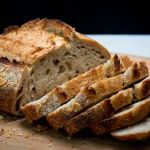 The Quantum Baker0.0 (0 reviews)
 Valerio's Tropical Bake Shop4.0 (43 reviews)
 Manny's Bakeshop & Restaurant4.0 (19 reviews)
 Nanding's Bakery4.0 (368 reviews)
 Aloha Sunrise Granola5.0 (5 reviews)
 Bakery Ingredient Label Questions: Allergens, Dates, and Portions
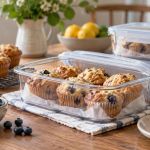 Bakery Muffin Storage: Moisture, Filling, and Freshness
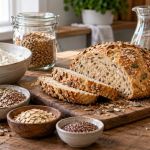 Bakery Bread Ingredients: Flour, Seeds, and Allergens
 Bakery Pastry Freshness: Texture, Filling, and Storage
 Bakery Custom Cake Handoff: Design, Allergens, and Pickup
 Bread Freezing Plan: Slicing, Wrapping, and Thawing