
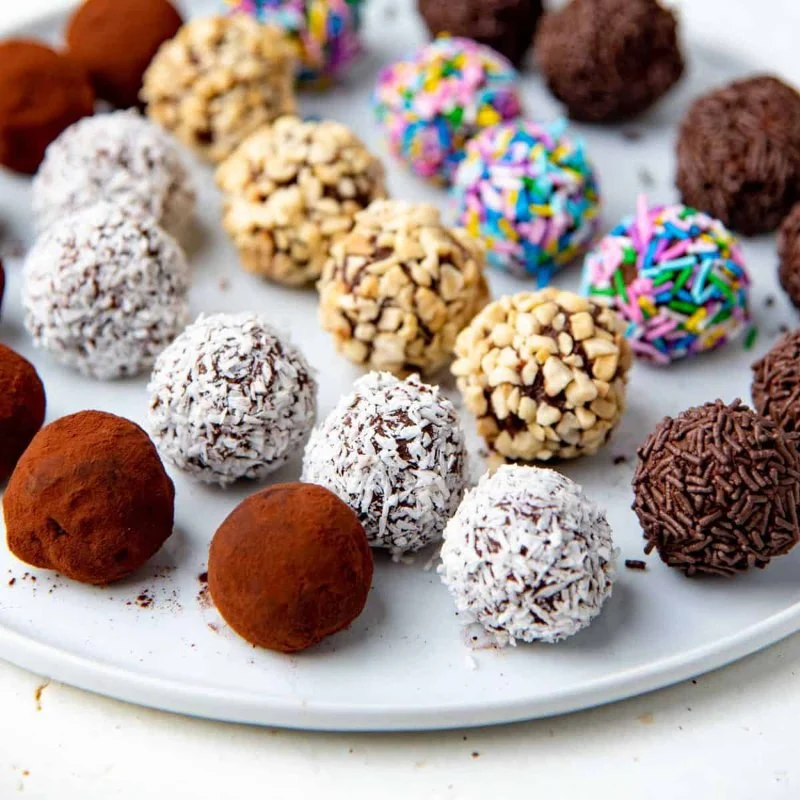
Chocolate Truffles That Taste Like They Came From a Display Case
- why-bakery-truffles-taste-different
- choosing-ingredients-that-actually-matter
- making-ganache-the-right-way
- shaping-like-a-bakery-without-the-mess
- finishes-and-flavors-that-look-expensive
- storage-gifting-and-when-to-buy-tools
1. Why Bakery Truffles Taste Different
The first time I tried a truly great truffle, it wasn’t from a fancy restaurant. It was from a small neighborhood bakery where the display case looked like jewelry: tiny dark chocolate domes, cocoa-dusted rounds, and glossy pieces that almost felt too pretty to eat. The surprise wasn’t just the look. It was the texture—soft, silky, and somehow lighter than the truffles I’d made at home that tended to taste dense or overly sweet.
That “bakery-style” difference usually comes down to two things: a well-balanced ganache and clean finishing. Bakeries treat truffles like a craft project with rules—temperature control, ingredient ratios, and patience—while most home cooks treat truffles like a quick dessert. If you want to learn how to make bakery-style chocolate truffles, the goal isn’t complexity. It’s control.

Julius Sturgis Pretzel Bakery / pretzel factory lititz pa
LititzLancaster CountyPennsylvania
219 E Main St, Lititz, PA 17543, USA
2. Choosing Ingredients That Actually Matter
Truffles are deceptively simple. Because there are so few ingredients, each one shows up loudly in the final bite. If you’ve ever wondered why your homemade truffles tasted “fine” but not “wow,” your ingredients (and how you combine them) are usually the reason.
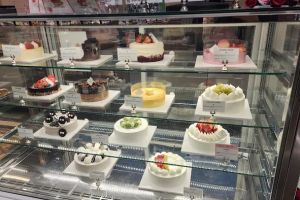
L’Ami Bakery & Cafe / bakery in h mart
48-18 Northern Blvd, Long Island City, NY 11101, USA
2.1 Chocolate: The Flavor Engine
For bakery style chocolate truffles, chocolate isn’t just “an ingredient.” It’s the main character. Choose real chocolate bars or high-quality couverture-style chips rather than bargain baking morsels that contain extra stabilizers. Dark chocolate in the 60–72% range is a sweet spot for many American palates: rich, not bitter, and easy to pair with flavors like espresso, orange, or sea salt.
2.2 Cream: The Texture Maker
Use heavy cream for a smooth, stable ganache. Lower-fat cream can work, but the truffles often end up softer, harder to shape, and more likely to melt in your hands. If you’re trying to get that professional snap-then-melt experience, heavy cream is your friend.
2.3 Butter, Salt, and “Tiny Extras” That Make a Big Difference
A small knob of butter can add gloss and a smoother mouthfeel, especially for dark chocolate ganache truffles. A pinch of salt makes chocolate taste more chocolatey. And if you’re adding flavoring—vanilla, espresso powder, citrus zest—keep it intentional. Bakery truffles rarely taste like a perfume counter; they taste clean, focused, and balanced.
3. Making Ganache the Right Way
Ganache is the center of almost every truffle you’ve ever loved. And the secret is: ganache is not “melt chocolate + pour cream + stir aggressively.” It’s a gentle emulsion. Treat it like one, and your homemade chocolate truffles instantly level up.
3.1 Ratios That Work for Real Life
A common starting ratio for classic truffles is about 2 parts chocolate to 1 part cream by weight for dark chocolate. Milk chocolate typically needs more chocolate (because it’s softer), and white chocolate needs even more. This ratio is what gives that scoopable, shapeable center that still melts smoothly when you bite into it.
3.2 The Heat Trick Bakers Use
Warm the cream until it’s hot and steaming, not aggressively boiling. Pour it over chopped chocolate in a bowl and let it sit undisturbed for about a minute. This waiting step matters more than people think; it prevents overheating the chocolate and helps everything melt evenly.
3.3 Stir Like You Mean It (But Not Like You’re Panicking)
Start stirring from the center in small circles. It will look separated at first. Keep going calmly. As the emulsion forms, the ganache turns shiny and smooth. If it stays grainy, it’s often a temperature problem. Gentle reheating over a warm water bath can rescue it without scorching.
4. Shaping Like a Bakery Without the Mess
This is the part where most home cooks get frustrated: sticky ganache, uneven balls, melted fingerprints. Bakeries avoid this chaos by letting time and temperature do the heavy lifting.
4.1 Chill in Stages, Not All at Once
After mixing, let the ganache cool at room temperature until it thickens slightly, then refrigerate. If you refrigerate immediately while it’s still warm, condensation can form and change the texture. Stage-chilling helps you get a cleaner, more workable truffle base.
4.2 Use a Scoop for Consistency
A small cookie scoop (or melon baller) is the fastest way to make truffles look “bakery neat.” Bakeries love consistency because it affects not just appearance, but also how evenly truffles set and how they feel when you bite in.
4.3 The “Two-Hand Roll” Method
Here’s a human trick that actually works: scoop portions onto parchment, chill again briefly, then roll quickly between cool palms. If your hands run warm, rinse them in cold water, dry thoroughly, and roll in short bursts. You’re not trying to warm the truffle into a perfect sphere—you’re shaping it before it melts.
5. Finishes and Flavors That Look Expensive
A bakery-style truffle doesn’t just taste good—it looks intentional. The coating is where you can make your truffles feel premium, even if the center is a simple ganache.
5.1 Cocoa Powder That Doesn’t Taste Like Dust
Use a good cocoa powder and toss truffles gently rather than grinding them around. Bakery truffles often have a soft, even cocoa coat because the ganache is chilled just enough to hold cocoa without sweating.
5.2 Classic Coatings With Better Texture
Finely chopped toasted nuts add crunch. Shredded coconut adds sweetness and nostalgia. Powdered freeze-dried raspberries bring tartness and color. These aren’t just decorations—they’re texture choices that turn simple homemade truffles into something people remember.
5.3 Flavor Variations That Feel Professional
If you want your truffles to taste like a pastry chef got involved, try focused flavors:
1) Espresso: a small amount of espresso powder dissolved into warm cream gives deep coffee flavor without bitterness.
2) Orange: fresh zest mixed into the ganache adds brightness that pairs beautifully with dark chocolate.
3) Sea salt: a tiny pinch on top of a dark truffle makes it taste richer and less sweet.
6. Storage, Gifting, and When to Buy Tools
Truffles are one of those desserts that feel “special occasion,” but they’re also practical if you store them well. Keep finished truffles in an airtight container in the refrigerator, then bring them to cool room temperature before serving for the best texture.
If you’re gifting, think like a bakery: uniform size, clean coating, and a mix of flavors that feels curated rather than random. A simple box with parchment separators instantly makes your homemade chocolate truffles look like a professional gift.
And here’s the honest nudge: once you’ve made truffles a couple of times, you’ll know whether you want to keep improvising or upgrade your setup. A small scoop, quality cocoa, and a reliable digital scale can take you from “these are good” to “wait…you made these?” If you’re ready to get serious about how to make bakery-style chocolate truffles, it’s worth exploring the latest tools and premium ingredients designed specifically for truffle-making—take a look at what’s available now and choose the upgrade that matches your style.

 Nagoya Bakery4.0 (25 reviews)
 The Quantum Baker0.0 (0 reviews)
 Valerio's Tropical Bake Shop4.0 (43 reviews)
 Manny's Bakeshop & Restaurant4.0 (19 reviews)
 Nanding's Bakery4.0 (368 reviews)
 Aloha Sunrise Granola5.0 (5 reviews)
 Pastry Gift Box Check: Variety, Allergens, and Transport
 Sourdough Loaf Pickup: Bake Time, Slicing, and Storage
 Bakery Celebration Cake Pickup: Size, Travel, and Timing
 Bakery Bread Storage: Crust, Moisture, and Freezing Guide
 Bakery Reservation Notes: Time, Party, Access, and Contact
 Bakery Menu Portion Chec: A Heavenly Delights Bakery Reader Guide