
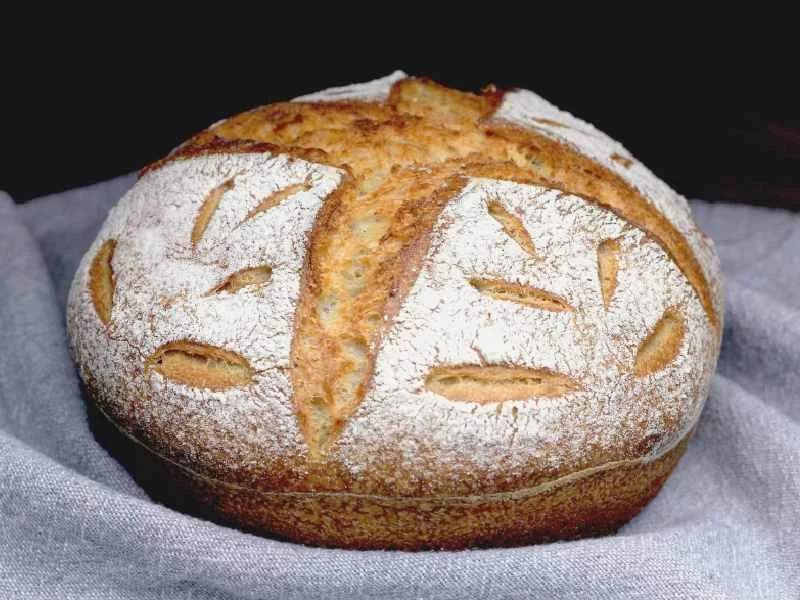
From Flour Dust to Fresh Loaves: The Sourdough Revival at Home
- why-sourdough-feels-relevant-again
- the-real-magic-behind-flavor-and-texture
- starter-basics-and-what-nobody-tells-you
- an-at-home-process-you-can-actually-follow
- common-mistakes-and-how-to-fix-them
- real-stories-from-the-internet-and-the-kitchen
- tools-ingredients-and-next-steps-to-bake-better
Why Sourdough Suddenly Feels Like the Bread Everyone Wants
If you’ve noticed more people talking about sourdough lately, you’re not imagining it. In many Western kitchens, sourdough has shifted from “that fancy bakery loaf” to a weekend ritual. The question isn’t just why it tastes good. It’s why sourdough bread is making a big comeback when grocery store bread is cheaper and easier.
The honest answer is that sourdough gives people something modern life often doesn’t: a sense of control and a tangible reward. Mixing flour and water feels almost too simple, but the transformation is real. You can smell it, watch it rise, and slice into it. For a lot of home bakers, that’s the hook. It’s not just bread. It’s proof you can still make something with your hands that’s worth sharing.
There’s also a cultural shift behind the scenes. More consumers are paying attention to ingredient labels, processing, and food waste. Sourdough fits neatly into that mindset because it’s built on patience, basic pantry ingredients, and techniques that have been around for centuries. It’s traditional, but it doesn’t feel outdated. It feels grounding.

Julius Sturgis Pretzel Bakery / pretzel factory lititz pa
LititzLancaster CountyPennsylvania
219 E Main St, Lititz, PA 17543, USA
What Makes Sourdough Different From “Regular” Bread
Sourdough isn’t only a flavor trend. It’s a fermentation method. Instead of relying solely on commercial yeast, sourdough uses a living culture (starter) that contains wild yeast and beneficial bacteria. That fermentation is what creates the signature tang, deeper aroma, and that chewy interior with a crisp crust.
If you’ve ever compared a supermarket loaf to a bakery sourdough, you’ve probably noticed the difference immediately. Sourdough tends to have a more complex taste and a texture that feels substantial rather than airy and forgettable. It’s the kind of bread that can carry simple toppings and still feel like a meal.
Many bakers also appreciate sourdough’s flexibility. Once you understand the rhythm, you can make it mild or tangy, airy or tight-crumbed, baked in a Dutch oven or shaped into sandwich loaves. This is one reason homemade sourdough bread becomes addictive: there’s always something to adjust, refine, and improve.

L’Ami Bakery & Cafe / bakery in h mart
48-18 Northern Blvd, Long Island City, NY 11101, USA
Sourdough Starter: The Simple Recipe That Teaches Patience
When people search how to make sourdough bread, the starter is where they often get stuck. It sounds intimidating because it’s alive, it has moods, and it doesn’t follow your schedule. But a sourdough starter recipe is basically flour, water, and time.
Here’s what nobody tells you upfront: starters don’t fail as often as people think. They just need consistent care. In the early days, the smell can be weird, the bubbles can disappear, and the rise can be inconsistent. That’s normal. It’s not “broken,” it’s developing.
A practical way to think about your starter is like this:
1. In the first few days, you’re building activity, not perfection.
2. By around day 5 to 10, you’re looking for predictable rise after feeding.
3. After that, you’re training it to perform in your kitchen’s temperature and routine.
If your home is cool, your starter will move slowly. If it’s warm, it may race through feedings. Once you stop expecting it to behave like a machine, you’ll enjoy the process more.
A Home-Friendly Sourdough Method That Doesn’t Require Perfection
Sourdough can be made complicated, but it doesn’t have to be. A reliable at-home process focuses on consistency rather than obsession. Think of it as a repeatable workflow that you refine over time.
Start with a basic dough: flour, water, salt, and active starter. Mix until no dry flour remains, then give it time to rest. That early rest helps gluten begin forming without extra work. After that, you’ll do a series of gentle folds to strengthen the dough.
The best sourdough baking tips often come down to controlling three things:
1. Temperature: warmer dough ferments faster, cooler dough slows down.
2. Time: fermentation is not a fixed timer; it’s a visible process.
3. Feel: dough should become smoother and more elastic as it develops.
Once the dough has fermented enough, you shape it. Shaping is where many beginners panic, but you don’t need to sculpt a masterpiece. You’re simply building surface tension so the dough can rise upward instead of spreading flat.
After shaping, the dough rests again before baking. This is when flavor deepens and the structure settles. Then you bake hot, ideally with steam or a covered pot to support oven spring and crust development.
The Mistakes That Make People Quit and How to Avoid Them
Most sourdough frustration comes from misreading fermentation. Beginners often under-ferment because they’re nervous about waiting too long. Under-fermented dough can bake up dense, tight, and a bit gummy. Over-fermented dough can feel overly sticky and may collapse.
A more realistic approach is to use multiple clues instead of one rule. Watch for dough that looks slightly domed, feels lighter, and shows bubbles along the sides. If you gently press it and it slowly springs back, that’s usually a good sign you’re close.
Another common issue is treating the starter like a strict daily chore. If your schedule is unpredictable, it’s okay to store starter in the fridge and feed it less often. Many home bakers maintain a small starter and build what they need for baking, which reduces waste and stress.
Finally, don’t underestimate salt and hydration. Too much water can make dough hard to handle, especially for beginners. If you want a calmer learning curve, start slightly lower hydration. You can always push it higher later once your hands learn the feel.
The Online Sourdough Wave and What It Taught Home Bakers
One of the most memorable moments in recent food culture was the internet’s sourdough surge, when starter photos, loaf “crumb shots,” and kitchen experiments started showing up everywhere. Some people joked that starters became household pets. Others swapped tips like they were trading secrets.
What made that wave powerful wasn’t just trend energy. It was the shared learning. People posted their “disaster loaves” and got real feedback. They learned that sourdough isn’t a straight line of success. It’s an iterative craft.
I’ve seen the same pattern again and again: someone bakes a flat loaf, feels embarrassed, then tries again with better fermentation and a tighter shape. When the next loaf rises and cracks open beautifully, it feels like winning a small personal contest. That emotional payoff is a big reason sourdough bread is making a big comeback. It’s not passive food. It’s earned.
What to Use, What to Skip, and How to Take the Next Step
You don’t need a professional bakery setup to bake an artisan sourdough loaf. A sturdy mixing bowl, a scale, and a baking vessel that traps steam will take you far. Many home bakers love a Dutch oven because it creates a steamy environment that helps the loaf rise and brown evenly.
Flour choice matters too. Bread flour gives structure, while adding a small portion of whole wheat can boost fermentation and flavor. If your loaves feel bland, try adjusting fermentation time before adding extra ingredients. Flavor often comes from patience more than additives.
If you’re ready to go from “I tried it once” to “this is my thing,” the next step is making the process easier on yourself. That could mean using a better proofing setup, trying a reliable starter kit, or exploring tools that reduce guesswork. If you want to browse options and compare what actually helps, you can click this to see the latest products and starter tools for home baking. The goal is simple: make it easier to bake your next homemade sourdough bread with confidence and repeatable results.
And if you’ve been wondering why sourdough bread is making a big comeback, here’s the simplest answer: it turns everyday ingredients into something you’re proud to put on the table. If you’re curious, learn more and explore the newest tools designed to help you make sourdough bread at home without the frustration.






 Nagoya Bakery4.0 (25 reviews)
 The Quantum Baker0.0 (0 reviews)
 Valerio's Tropical Bake Shop4.0 (43 reviews)
 Manny's Bakeshop & Restaurant4.0 (19 reviews)
 Nanding's Bakery4.0 (368 reviews)
 Aloha Sunrise Granola5.0 (5 reviews)
 Bakery Reservation Notes: Time, Party, Access, and Contact
 Bakery Menu Portion Chec: A Heavenly Delights Bakery Reader Guide
 Bakery Service Charge Check: Bill, Tips, and Group Split
 Bakery Texture Guide: A Practical US Checklist
 Bakery Cake Quote: Size, Design, Pickup, and Allergen Notes
 Bakery Bread Crumb Check: Freshness, Cutting, and Serving