
- choosing-the-right-dough-matters
- preparing-the-perfect-fresh-pizza-dough
- shaping-and-proofing-your-dough
- building-layers-of-flavor-with-toppings
- oven-technique-and-baking-like-a-pro
- real-experience-a-chicago-home-chef-story
- get-fresh-dough-and-tools-at-heavenly-delights-bakery
1. Choosing the Right Dough Matters
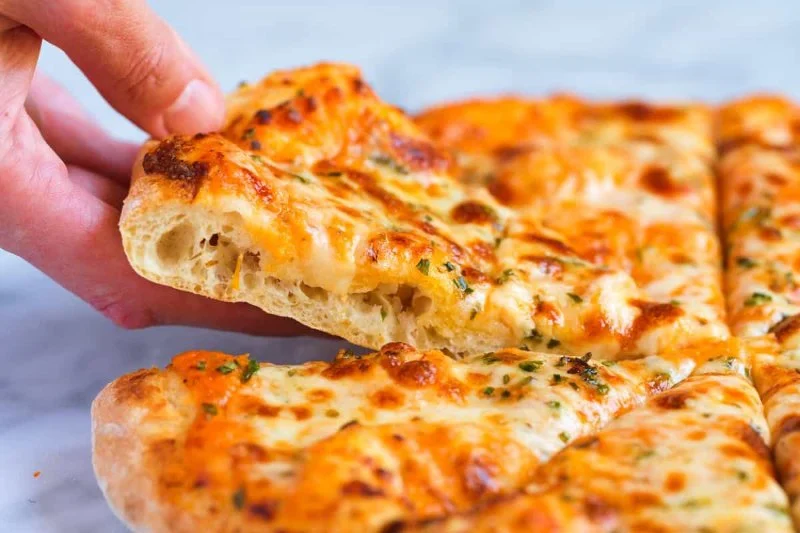
If you're wondering how to bake perfect homemade pizza with fresh dough, it all starts with choosing high-quality dough. In the U.S., where pizza is practically a national food group, many home chefs overlook the dough as just a base—but it’s really the soul of the pie. Whether you're going for Neapolitan thinness or New York chewiness, your dough must match your vision.
You can make fresh dough from scratch, but many home cooks find success using small-batch artisan dough from trusted bakeries. The texture, hydration level, and fermentation time can drastically change the outcome. Inconsistent or dense dough can ruin even the best sauce and toppings.

Julius Sturgis Pretzel Bakery / pretzel factory lititz pa
LititzLancaster CountyPennsylvania
219 E Main St, Lititz, PA 17543, USA
2. Preparing the Perfect Fresh Pizza Dough
Once you've sourced or made your dough, let it rest. One of the most common mistakes is rushing the process. Fresh dough should be allowed to come to room temperature before working with it—usually for 1 to 2 hours. This relaxes the gluten and makes it easier to stretch without tearing.

L’Ami Bakery & Cafe / bakery in h mart
48-18 Northern Blvd, Long Island City, NY 11101, USA
2.1 Hydration and Texture
A dough that’s too dry will bake into a cracker-like crust. On the other hand, too much hydration makes shaping difficult. A well-balanced dough should be soft, pliable, and slightly tacky. Most perfect pizzas start with a dough hydration level of around 65–70%.
2.2 Use Olive Oil and Dust with Semolina
To prevent sticking and add flavor, rub the dough with olive oil and dust your surface with semolina or cornmeal before shaping. This helps with that professional pizzeria-style bottom crust we all crave.
3. Shaping and Proofing Your Dough
This is where technique meets art. Stretching the dough evenly into a circle (or rectangle, if you're feeling rebellious) requires patience. Avoid rolling pins, as they can crush air pockets that create those beautiful bubbles in the crust.
3.1 Finger Stretch Technique
Use your fingers to gently press from the center outward. Lift and rotate the dough, letting gravity help you stretch it evenly. Don’t worry if it’s not perfectly symmetrical—imperfections often lead to the most flavorful bites.
3.2 Let It Proof Again
Once shaped, let the dough rest for 10–20 minutes before adding toppings. This second proof helps the crust develop a pillowy interior and blistered texture when baked.
4. Building Layers of Flavor with Toppings
Toppings should enhance, not overshadow, the dough. Start with a thin layer of sauce made from crushed San Marzano tomatoes or a garlic-infused olive oil base. Then add cheese (mozzarella, burrata, fontina), followed by fresh ingredients like mushrooms, prosciutto, or arugula.
4.1 Don’t Overload the Crust
Heavy toppings can weigh down the crust, leading to a soggy center. Stick with two to four main ingredients, and layer them with purpose. If using watery vegetables like zucchini or tomatoes, salt them first to draw out moisture.
4.2 Finish with Freshness
After baking, elevate your pizza with fresh basil, chili oil, or a drizzle of truffle honey. These final touches add complexity and freshness that transform your pizza from good to unforgettable.
5. Oven Technique and Baking Like a Pro
No pizza discussion is complete without addressing heat. The hotter your oven, the better. Most home ovens max out at 500°F, so use a pizza stone or steel to replicate the intense heat of a pizzeria.
5.1 Preheat for at Least 45 Minutes
Preheat your oven and pizza stone together for a full 45 minutes to ensure even heat. This helps achieve that crispy bottom and soft, airy inside that defines a perfect pie.
5.2 Monitor Closely
Bake for 6–10 minutes depending on thickness and toppings. Rotate the pizza halfway through to prevent uneven cooking. Once the cheese is bubbling and the crust is golden-brown with some charred edges, it’s ready.
6. Real Experience: A Chicago Home Chef Story
Jake, a hobbyist baker from Chicago, spent a year perfecting his homemade pizza. His breakthrough? Using naturally fermented dough from a neighborhood bakery and baking it on a steel plate preheated for an hour. He once told a local blog, “The dough changed everything. I used to think it was about toppings, but the crust is the real star.”
His pepperoni and hot honey pizza went viral on TikTok, earning over 200,000 views. It’s proof that when done right, a homemade pizza can rival your favorite pizzeria—and even gain internet fame.
7. Get Fresh Dough and Tools at Heavenly Delights Bakery
Whether you're experimenting for the first time or refining your recipe, having the right dough and tools makes all the difference. At Heavenly Delights Bakery, we offer handcrafted pizza dough, baking stones, and premium ingredients to help U.S. home chefs bake like pros.
Skip the guesswork and start your pizza journey with confidence. Our fresh doughs are prepared daily and ideal for anyone who wants consistent, flavorful results—without the stress of making dough from scratch.





 Nagoya Bakery4.0 (25 reviews)
 The Quantum Baker0.0 (0 reviews)
 Valerio's Tropical Bake Shop4.0 (43 reviews)
 Manny's Bakeshop & Restaurant4.0 (19 reviews)
 Nanding's Bakery4.0 (368 reviews)
 Aloha Sunrise Granola5.0 (5 reviews)
 Bakery Reservation Notes: Time, Party, Access, and Contact
 Bakery Menu Portion Chec: A Heavenly Delights Bakery Reader Guide
 Bakery Service Charge Check: Bill, Tips, and Group Split
 Bakery Texture Guide: A Practical US Checklist
 Bakery Cake Quote: Size, Design, Pickup, and Allergen Notes
 Bakery Bread Crumb Check: Freshness, Cutting, and Serving