
Fresh Ways to Bake Beautiful Desserts with Edible Flowers
- #why-edible-flowers-are-changing-modern-baking
- #how-to-choose-safe-and-flavorful-edible-flowers
- #ways-to-use-edible-flowers-in-bakery-creations
- #pairing-floral-notes-with-classic-bakery-flavors
- #common-mistakes-when-baking-with-edible-flowers
- #real-bakery-inspiration-and-creative-ideas
- #how-to-make-your-floral-bakes-stand-out
Why Edible Flowers Are Changing Modern Baking
There was a time when edible flowers were treated like a niche garnish—pretty, delicate, and slightly intimidating. Now they have become one of the most eye-catching ways to give pastries, cakes, tarts, cookies, and plated desserts a more refined identity. If you want to know how to incorporate edible flowers into your bakery creations, the first thing to understand is that they do far more than decorate. They influence aroma, visual storytelling, brand identity, and in some cases, flavor itself.
For many bakers across Europe and North America, edible flowers signal freshness and craftsmanship. A lavender shortbread feels more thoughtful than a plain butter cookie. A lemon cake topped with violas looks like something made for a spring celebration rather than a routine dessert case. Customers often buy with their eyes first, and flowers create that instant pause—the kind that makes someone lean in at the display and say, “What is that?”
This matters whether you are a home baker building an online following or a professional bakery looking for signature products. Floral details can take a familiar product and make it feel seasonal, premium, and memorable without changing the core recipe too dramatically.

Julius Sturgis Pretzel Bakery / pretzel factory lititz pa
LititzLancaster CountyPennsylvania
219 E Main St, Lititz, PA 17543, USA
How to Choose Safe and Flavorful Edible Flowers
1. Start with flowers that are actually food-safe
This sounds obvious, but it is the most important rule in the entire process. Not every flower is edible, and not every flower sold at a garden center is suitable for food use. Many ornamental flowers are treated with pesticides, fungicides, or preservatives that make them unsafe for baking and decorating.
L’Ami Bakery & Cafe / bakery in h mart
48-18 Northern Blvd, Long Island City, NY 11101, USA
1.1 Use culinary-grade sources
Buy from growers or suppliers that specifically label their products for culinary use. This matters far more than appearance. A beautiful flower that has been chemically treated has no place on a tart, cake, or cupcake.
1.2 Learn the difference between edible and decorative
Flowers like pansies, violas, calendula, nasturtiums, lavender, chamomile, roses, and borage are commonly used in food. Others may look appealing but should never be used unless you have verified they are safe from a reliable culinary source.
2. Think about flavor before appearance
One mistake many beginners make is choosing flowers only for color. A flower might look perfect on a cake and still taste wrong with the recipe. Edible flowers range from sweet and perfumed to peppery, herbal, citrusy, or grassy.
2.1 Mild flowers are easiest for beginners
Violas and pansies are popular because they are visually striking and relatively gentle in flavor. They tend to enhance a dessert without taking it over.
2.2 Strong floral notes need restraint
Lavender and rose can be beautiful in baking, but too much creates a perfume-like effect that many readers and customers dislike. The best floral baking rarely tastes loud. It feels balanced, not overwhelming.
3. Match flower texture to the dessert
Texture matters more than people expect. Soft petals work beautifully on buttercream cakes, cheesecakes, and chilled desserts. More structured flowers may suit sugar work, pressed garnishes, or plated pastries better than airy sponge cakes.
Ways to Use Edible Flowers in Bakery Creations
1. Press them into frostings and glazes
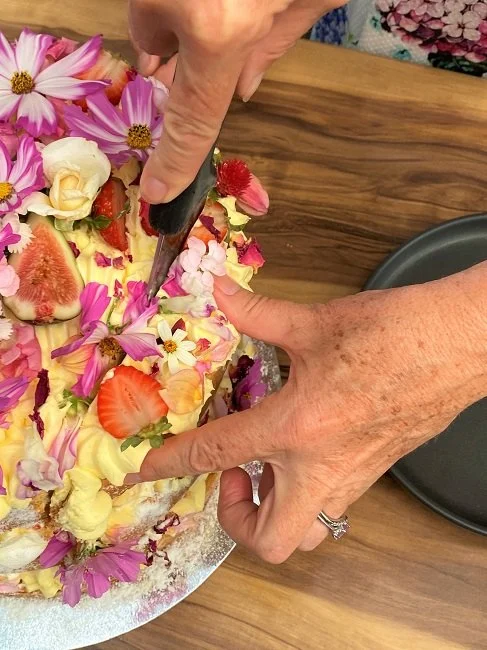
This is one of the most accessible ways to start. Fresh or dried petals can be lightly pressed onto buttercream, cream cheese frosting, royal icing, or a simple lemon glaze. The result looks polished without requiring advanced technique.
1.1 Best uses for soft visual impact
Think sheet cakes, tea cakes, petit fours, iced cookies, and celebration cupcakes. A few carefully placed petals often look more elegant than covering the entire surface.
1.2 Why restraint works better than excess
Bakery pieces look more professional when flowers feel intentional. Too many petals can make the design messy and distract from the product itself. A floral touch should elevate the dessert, not bury it.
2. Infuse creams, syrups, and sugars
If you want to move beyond decoration, infusion is one of the smartest techniques. Instead of placing whole flowers on top, you let the flowers flavor a component. This creates a more integrated result and often feels more sophisticated.
2.1 Floral sugar for cookies and sponge cakes
Pulse dried culinary lavender or rose petals with sugar and let it sit before baking. The aroma settles into the sugar and gives cakes, biscuits, and madeleines a subtle floral dimension.
2.2 Syrups for soaking and glazing
Rose syrup, chamomile syrup, or hibiscus-infused syrup can be brushed onto cake layers or folded into fillings. This is especially useful when you want floral character without adding visible petals.
3. Candy or crystallize petals for a premium finish
Crystallized petals have a classic European pastry feel. They catch light beautifully and make simple desserts look far more expensive.
3.1 Ideal uses
They work well on wedding cakes, macarons, mousse cakes, tartlets, and upscale tea pastries.
3.2 The practical advantage
Crystallized flowers last longer than fresh ones, so they are useful when you need more stability for display or transport.
4. Fold petals directly into doughs and batters
This approach creates a more rustic, artisanal feel. You see it often in scones, shortbread, tea loaves, and artisan breads.
4.1 Good pairings
Lavender works well with shortbread, lemon cakes, and honey loaf cakes. Rose can pair nicely with pistachio, cardamom, vanilla, or raspberry. Calendula brings a warm visual accent to breads and butter cakes.
4.2 When this method works best
Use it when you want the flower to feel like part of the bake, not just something placed on top after the fact.
Pairing Floral Notes with Classic Bakery Flavors
1. Citrus and flowers are natural partners
Lemon, orange, and yuzu tend to pair beautifully with edible flowers because their brightness prevents floral flavors from becoming heavy. A lemon loaf with violets or a blood orange tart with rose petals feels vivid and balanced.
1.1 Best flowers for citrus-based bakes
Violas, pansies, lavender, chamomile, and rose all work well depending on the intensity you want.
2. Berry flavors create an easy entry point
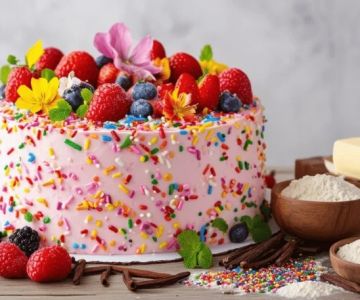
If you are unsure where to begin, pair edible flowers with strawberries, raspberries, blackberries, or blueberries. Berry desserts already feel fresh and seasonal, so flowers fit naturally.
2.1 A reliable combination
Rose and raspberry is a classic pairing because the berry’s tartness keeps rose from becoming too sweet or overly perfumed.
3. Vanilla, honey, and cream provide a soft base
Some of the most successful floral desserts use gentle base flavors. Vanilla panna cotta with edible petals, honey cake with chamomile cream, or whipped mascarpone with fresh violas can feel elegant without trying too hard.
3.1 Why neutral bases work
They leave room for the flower to be noticed without forcing it into competition with chocolate, coffee, or overly spiced flavors.
4. Herbal and floral combinations can feel modern
One trend that has become especially popular is combining flowers with herbs. Basil and strawberry with edible flowers, thyme with lemon and lavender, or mint with rose and dark berries can create bakery items that feel contemporary rather than old-fashioned.
Common Mistakes When Baking with Edible Flowers
1. Using too much floral flavor
This is the number one issue. It is tempting to think more petals or more infusion will equal more impact, but that is rarely true. Too much lavender tastes soapy. Too much rose can feel like perfume. Too much hibiscus can dominate acidity.
1.1 The better approach
Start light. Taste as you go. Let the flower support the dessert rather than define it completely.
2. Forgetting moisture and shelf-life
Fresh flowers are beautiful, but they are perishable. On buttercream cakes or chilled desserts, they can wilt faster than expected. On very wet glazes, some petals can bleed color.
2.1 Plan for timing
Add delicate fresh flowers close to serving time. For items that need longer display, use dried petals, pressed flowers, or crystallized options.
3. Making the dessert look better than it tastes
A floral croissant, tart, or cake might attract attention online, but repeat customers return for flavor. The best bakery creations with edible flowers are not just pretty. They are satisfying to eat.
3.1 Ask the real question
Would someone still enjoy this dessert if the flowers were invisible? If the answer is no, the recipe needs work.
Real Bakery Inspiration and Creative Ideas
1. The floral cupcake trend that moved from weddings to everyday counters
One of the reasons edible flowers became more visible in bakery culture is that wedding cake design influenced everyday pastry presentation. What used to appear only at upscale events gradually moved into neighborhood bakeries in the form of floral cupcakes, mini cakes, tea biscuits, and seasonal tartlets.
1.1 Why it caught on
People wanted desserts that looked handcrafted and photogenic but still approachable. Edible flowers gave bakeries a way to create that feeling without redesigning their entire menu.
2. A small-batch bakery example
I once visited a small bakery that sold out of its lemon elderflower loaf every Saturday by noon. The loaf itself was simple—moist crumb, not too sweet, bright citrus finish. What made it memorable was the way the baker used tiny pressed petals on the glaze and paired them with a floral syrup that stayed subtle. It looked special, but it also tasted like something you would want a second slice of.
2.1 The real lesson from that bakery
The flowers were not the gimmick. They were the finishing detail on a strong bake. That is the difference between trend-based baking and products people remember.
3. Creative product ideas worth testing
3.1 Spring menu ideas
Try lemon-viola loaf cake, chamomile honey madeleines, rose pistachio cookies, or strawberry tartlets with calendula petals.
3.2 Summer menu ideas
Consider lavender blueberry scones, hibiscus berry bars, elderflower buttercream cupcakes, or peach galettes with floral sugar.
3.3 Giftable bakery items
Floral shortbread, petal-dusted macarons, and pressed-flower sugar cookies perform especially well because they feel premium and gift-ready.
How to Make Your Floral Bakes Stand Out
1. Build a signature look, not just a single product
If you want edible flowers to become part of your identity, think bigger than one cake. A recognizable floral style can carry through packaging, photography, seasonal launches, and your overall menu story.
1.1 Keep the visual language consistent
If your brand leans soft and romantic, choose flowers and colors that support that. If your style is modern and minimal, use fewer flowers with stronger placement and cleaner finishes.
2. Educate your customers gently
Not everyone knows what edible flowers taste like, or that they are truly edible. A short product description can reduce hesitation and increase interest. Explain the flavor in plain language: light lavender aroma, soft rose note, gentle herbal finish, citrus-friendly floral accent.
2.1 Why this builds trust
Customers buy more confidently when they understand what they are getting. Education turns curiosity into orders.
3. Treat edible flowers like ingredients, not props
This is where many floral bakery products either succeed or fail. When you treat flowers seriously—considering source, safety, flavor, texture, storage, and pairing—you create bakery creations that feel thoughtful and worth paying for.
If you are ready to explore how to incorporate edible flowers into your bakery creations in a more polished and profitable way, now is the right time to experiment with high-quality culinary petals, floral sugars, and bakery-ready decorative options. The right edible flowers can transform ordinary cakes, cookies, tarts, and pastries into products customers remember, photograph, and come back to buy again. Learn more, explore the latest edible flower options, and start building bakery creations that look distinctive, taste balanced, and give your menu a clear visual edge.
 Nagoya Bakery4.0 (25 reviews)
 The Quantum Baker0.0 (0 reviews)
 Valerio's Tropical Bake Shop4.0 (43 reviews)
 Manny's Bakeshop & Restaurant4.0 (19 reviews)
 Nanding's Bakery4.0 (368 reviews)
 Aloha Sunrise Granola5.0 (5 reviews)
 Bakery Celebration Cake Pickup: Size, Travel, and Timing
 Bakery Bread Storage: Crust, Moisture, and Freezing Guide
 Bakery Reservation Notes: Time, Party, Access, and Contact
 Bakery Menu Portion Chec: A Heavenly Delights Bakery Reader Guide
 Bakery Service Charge Check: Bill, Tips, and Group Split
 Bakery Texture Guide: A Practical US Checklist